-
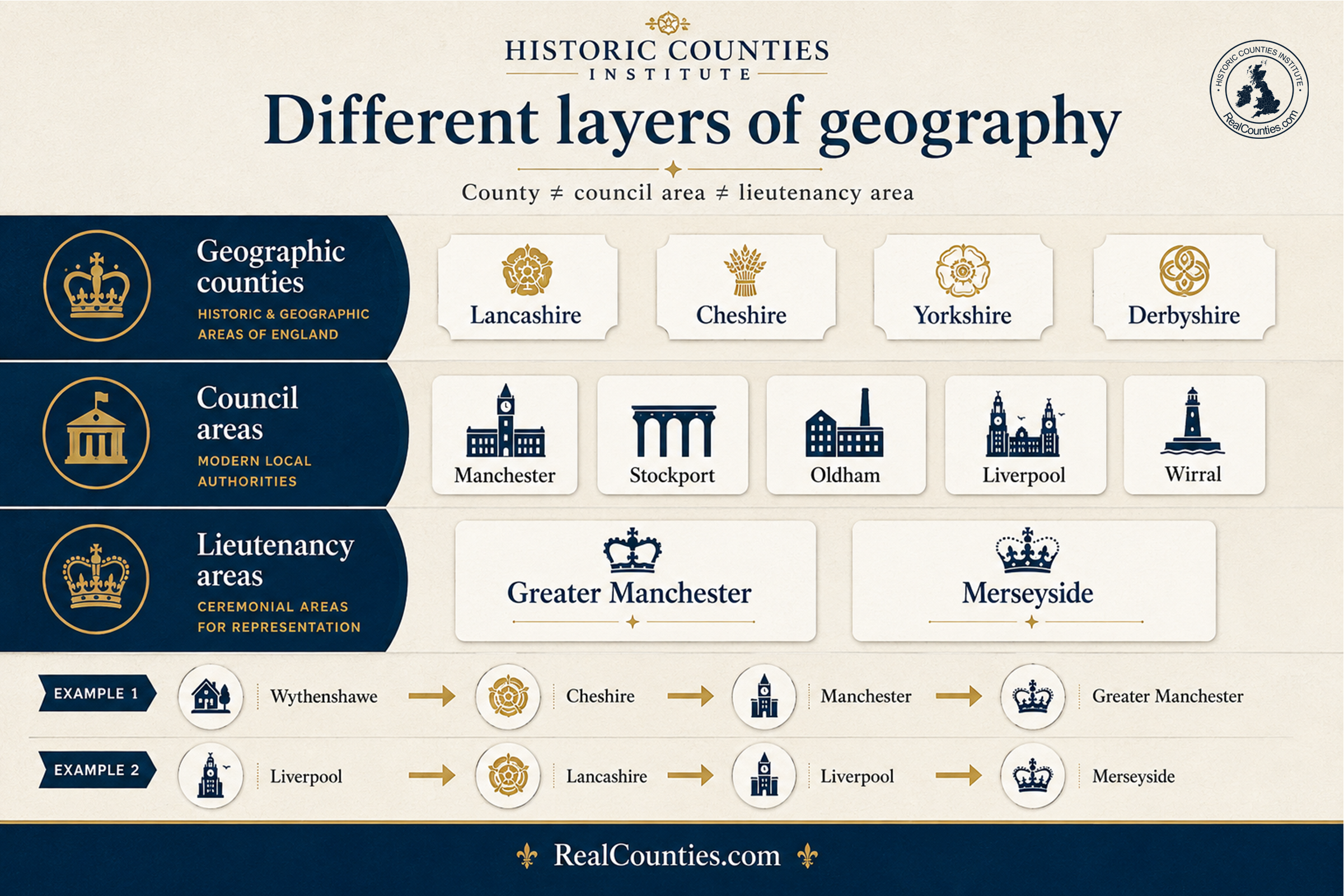
Greater Manchester and Merseyside are not geographic counties: what are they?
Greater Manchester and Merseyside are administrative regions, not geographic counties, spanning multiple historic counties. Their administrative boundaries do not alter the underlying geography.
-
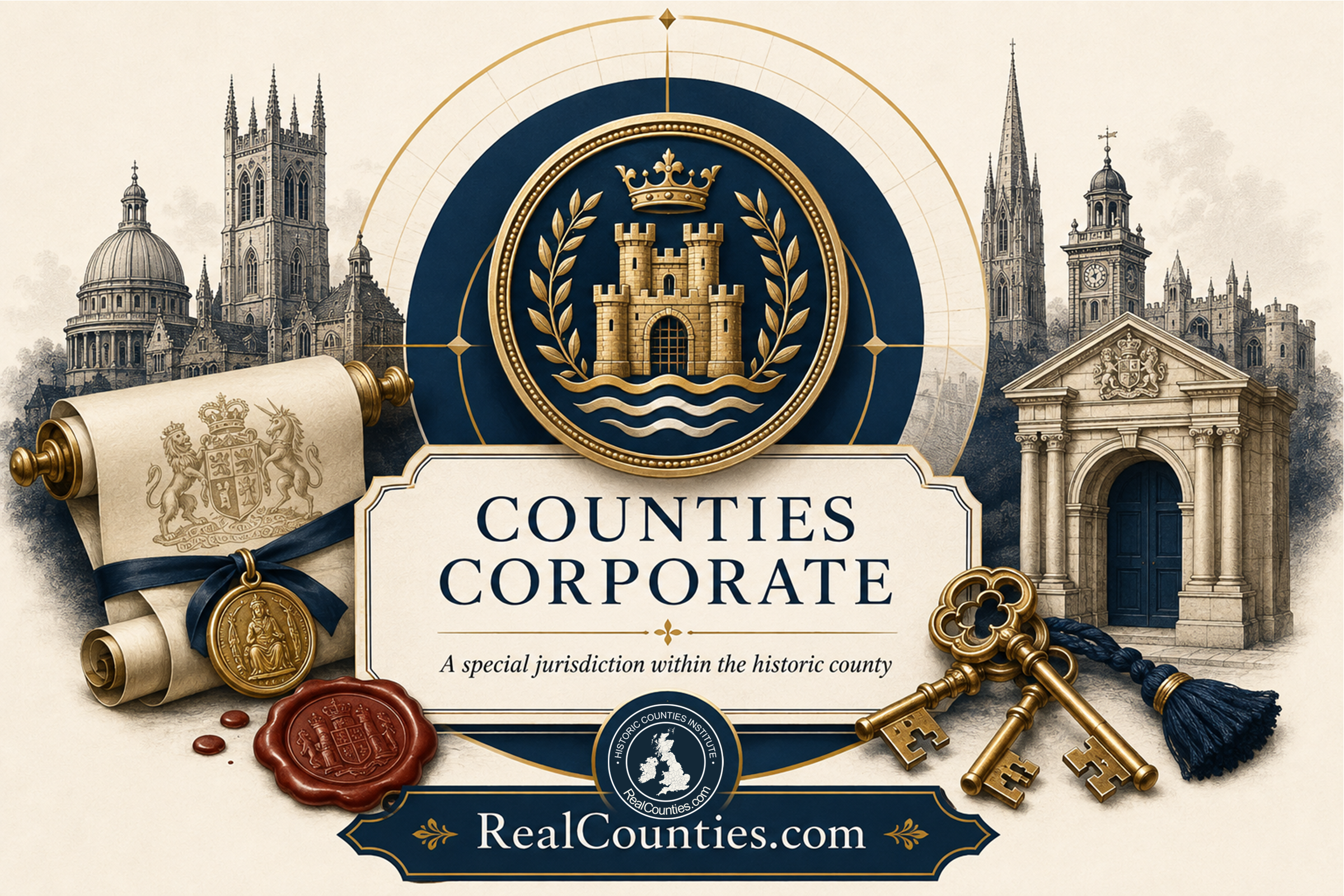
Counties corporate explained: did Bristol, York, Norwich and other cities become separate geographic counties?
Cities like Bristol, York, and Norwich gained county-corporate status, ensuring legal jurisdiction independence, but remained geographically part of their respective counties.
-
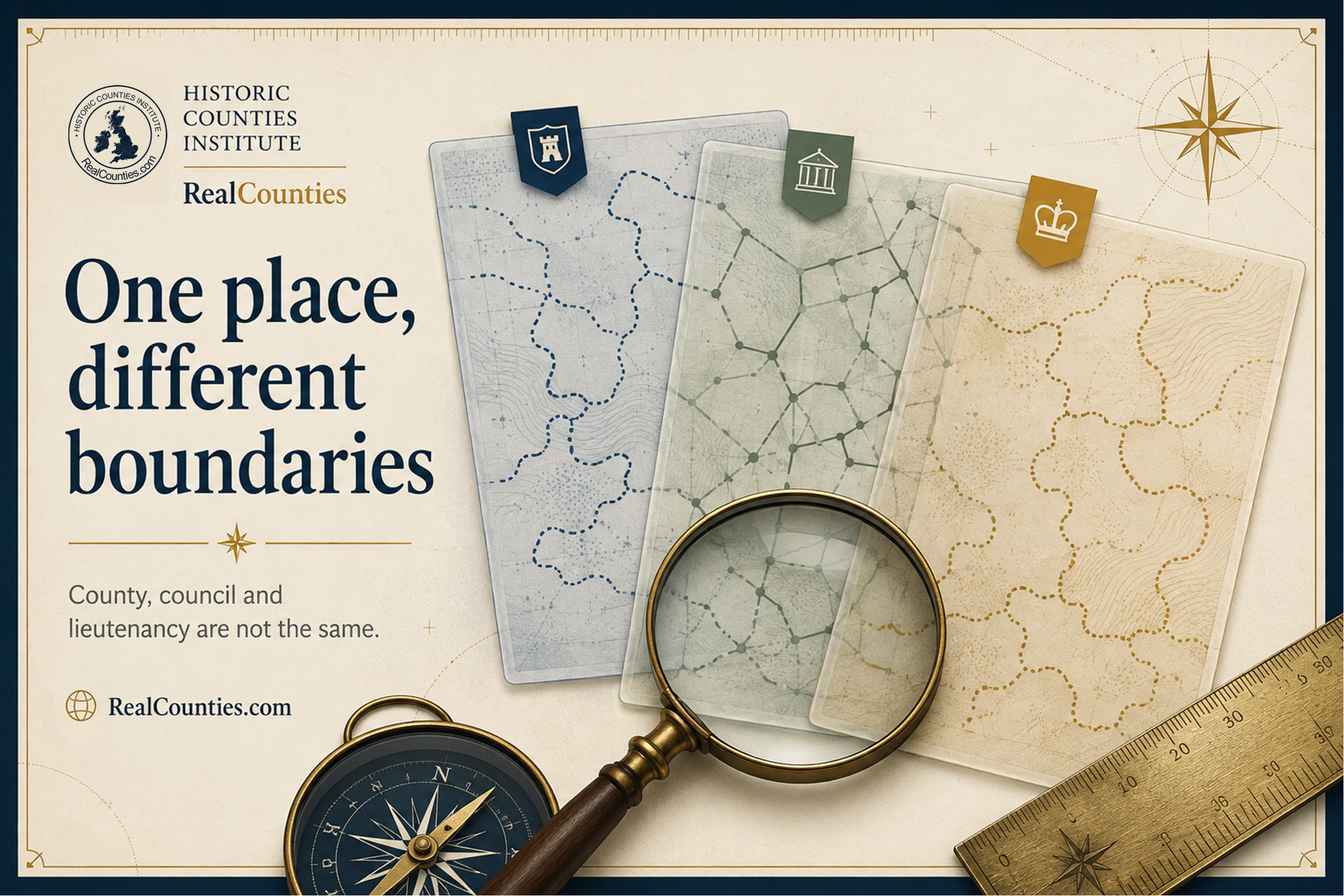
Why do different maps show different county boundaries?
Different maps may show varying county boundaries due to differing geographical layers. Understanding each map’s intent is crucial, as historic and administrative boundaries can differ.
-
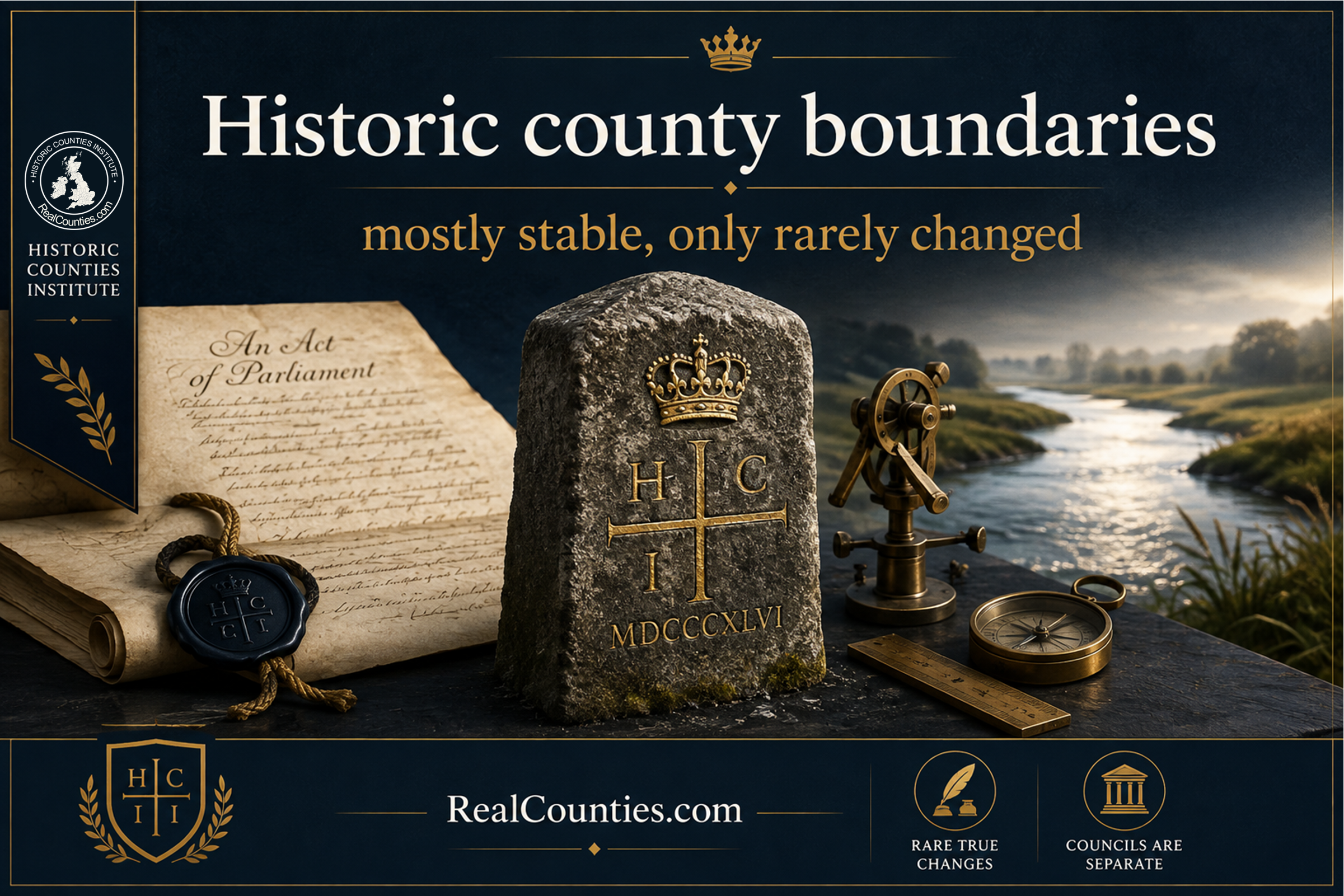
Have historic county boundaries ever changed?
Historic county boundaries in Britain are largely stable, with limited changes occurring through statutory transfers of detached parts and natural river movements, separate from administrative reorganisation.
-
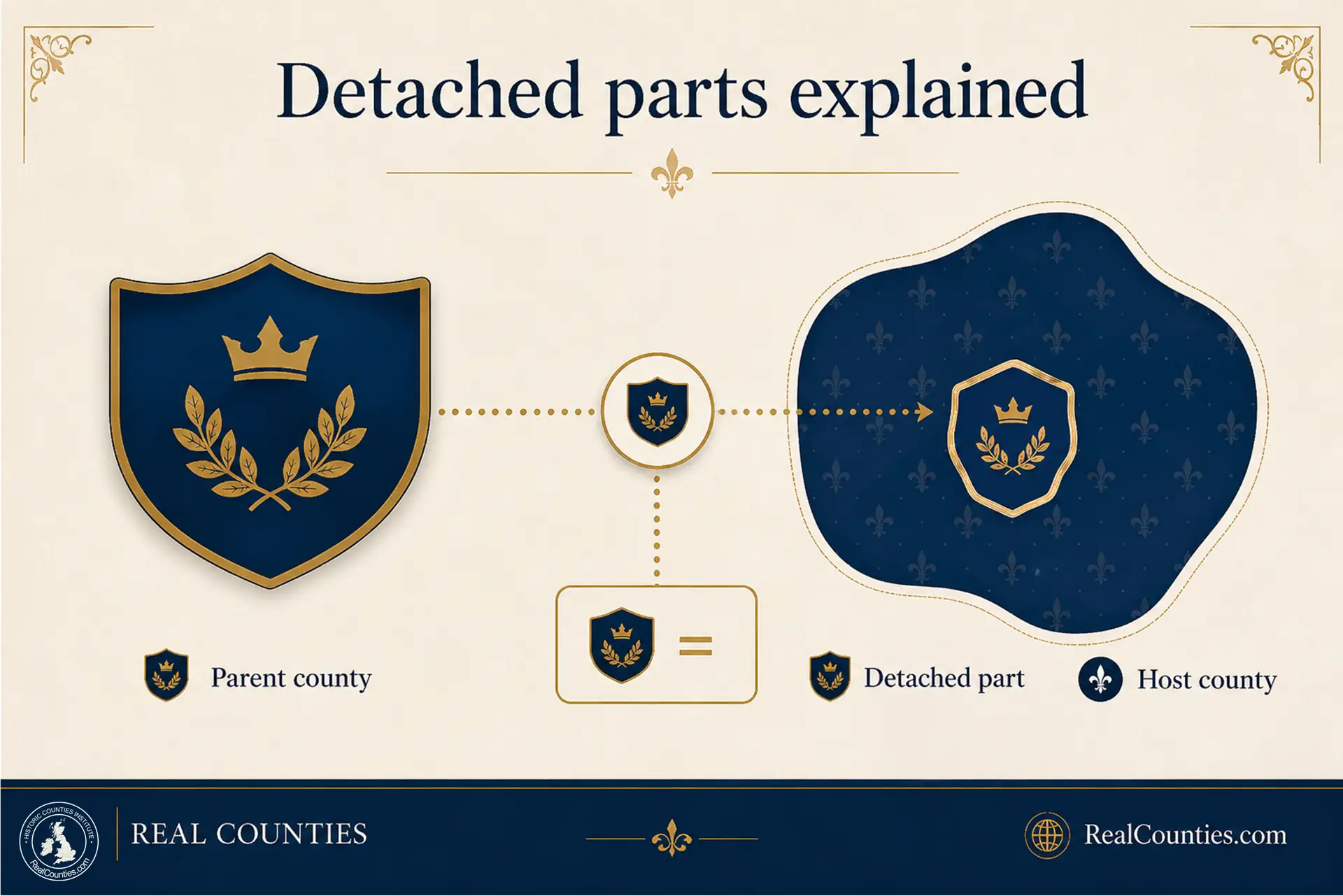
Detached parts of counties explained: what they are, how they work and why they matter
Detached parts are historic county territories separated from their parent county, located within other counties; understanding this duality is crucial for historical geography and accurate place descriptions.
-
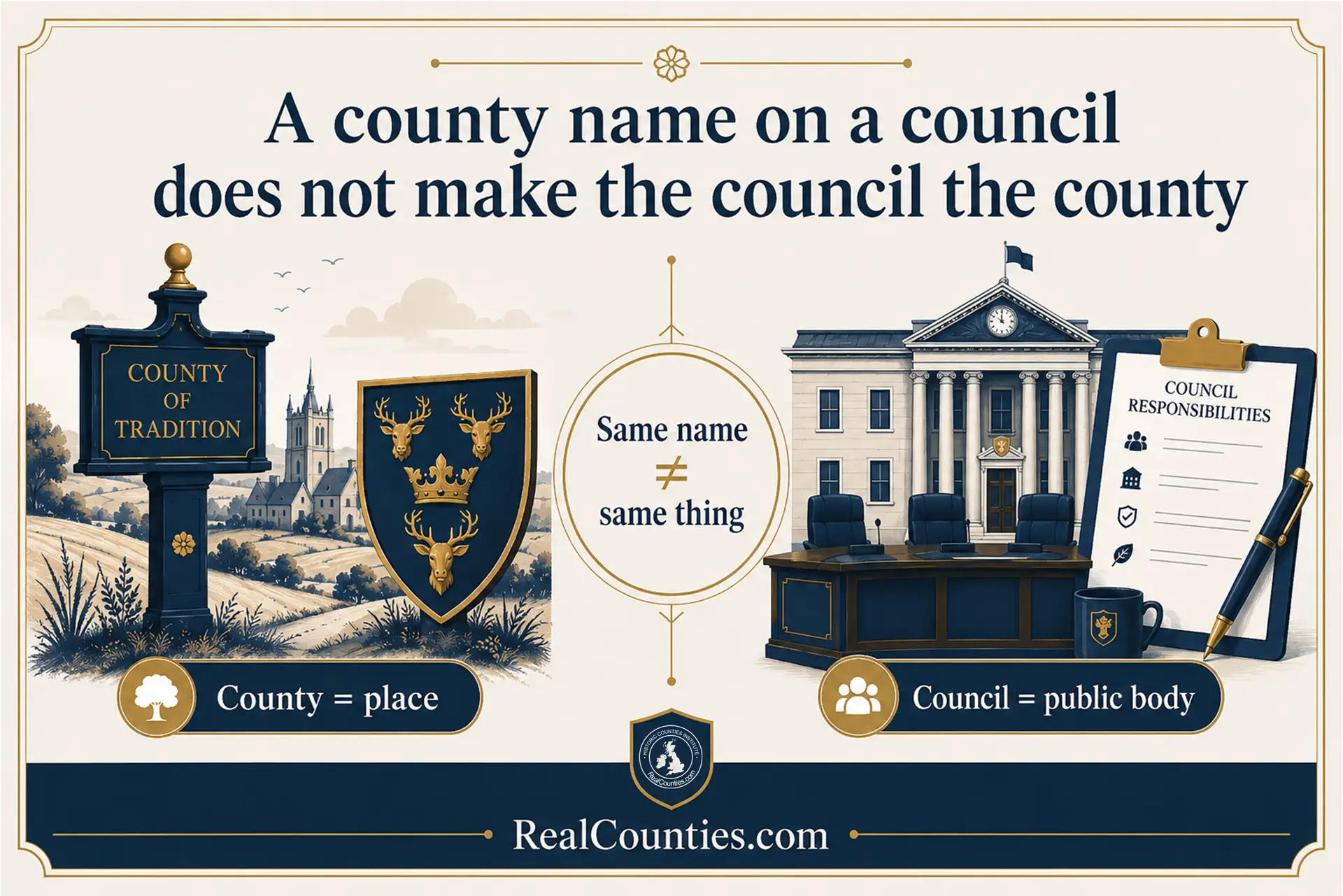
Why a council with a county name is not the county
Councils sharing a county name do not equate to the geographic counties themselves; one is an administrative body, while the other is a stable territorial division.
-
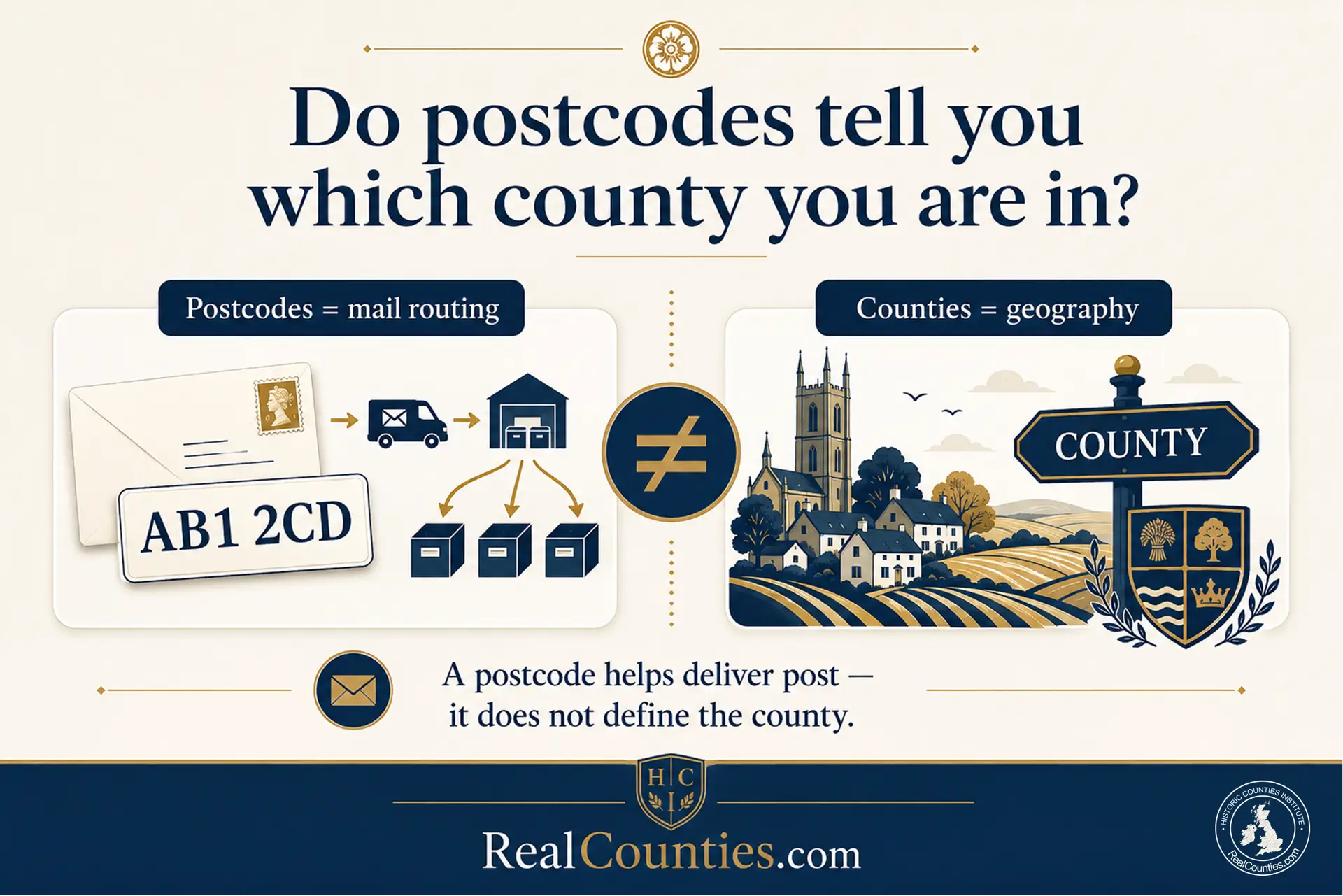
Do postcodes tell you which county you are in?
UK postcodes aid mail delivery but do not define geographic counties, highlighting the distinction between postal and geographic boundaries essential for accurate location identification.
-

Lancashire will not disappear: what local government reorganisation actually changes
The area governed by Lancashire County Council will undergo a significant reorganisation with four new unitary councils by April 2028, without altering Lancashire’s geographic identity.
-

What did the Local Government Act 1888 actually create?
The Local Government Act 1888 established elected county councils and administrative areas, distinct from England and Wales’s historic counties, without abolishing the latter.
-

What is a lieutenancy area – and why is it not a county?
A lieutenancy area functions as the territory for a lord-lieutenant, distinct from geographic counties, which predate the office and serve different purposes.
-

Proposed Ridgeway Council is 75% Berkshire – and creates a rare opportunity to fix the lieutenancies
The creation of Ridgeway Council illustrates the distinction between local governance and geographic counties, revealing that most of its territory lies in Berkshire, not Oxfordshire.
-

Local government is changing again. This time, fix the lieutenancies for good
England’s local-government reorganisation prompts the need to realign lieutenancies with historic counties, separating them from changing administrative boundaries to ensure stability and clarity.

Geography • Identity • Continuity
Reference, evidence, and public education for the historic counties.
Counties are geography. Councils run services, lieutenancies are ceremonial – neither defines the counties.
You must be logged in to post a comment.