
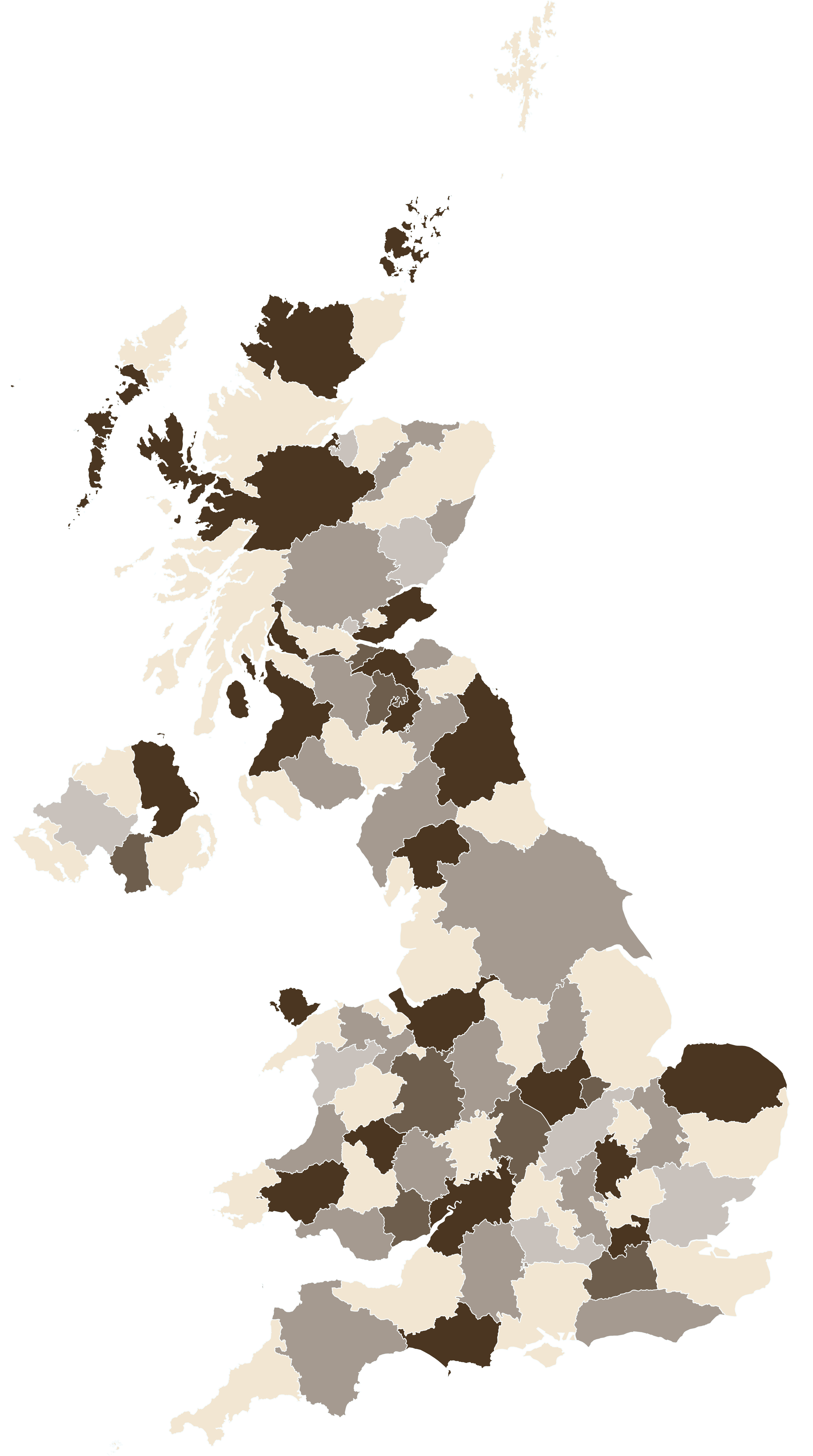
Official Statements

HM Government
Statements
1974-2021
Over the years, the UK Government and individual ministers have made many statements on the subject of Britain’s traditional counties. These have, without
Read More
exception, reiterated the fact that these counties still exist (which many people do not even realise) and are worth celebrating.
HM Government
Re Local Government Act 1972
1 April 1974
“The new county boundaries are administrative areas, and will not alter the traditional boundaries of counties, nor is it intended that the loyalties of
Read More
people living in them will change despite the different names adopted by the new administrative counties.”

Michael Portillo
Local Government Minister
11 July 1990
“I can confirm that the Government still stand by this statement, that the local authority areas and boundaries introduced in April 1974 do not alter the
Read More
traditional boundaries of counties. The 1974 arrangements are entirely administrative and need not affect long-standing loyalties and affinities.”
HM Government
Department of the Environment
3 September 1991
“The Local Government Act 1972 did not abolish traditional counties, only administrative ones. Although, for local government purposes some of the
Read More
historic counties have ceased to be administrative areas, they continue to exist for other purposes, organisations and local groups.”
Duchy Lancaster
Boundaries Unaffected
23 September 1992
“Although the Local Government Act of 1888 and subsequent legislation transferred to newly constituted Councils administrative business and
Read More
responsibility for redefined areas, such legislation did not alter or affect the Duchy palatinate boundaries which remain the same as the old (pre 1888) geographical County of Lancaster. Both Furness and Cartmel lie within the County Palatine.”
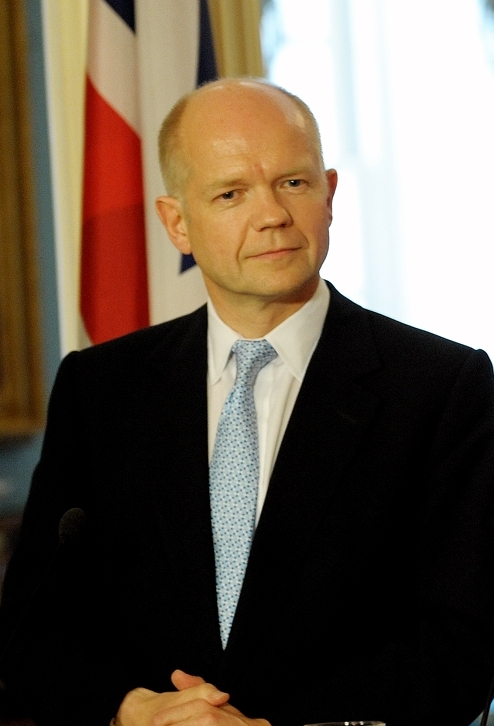
William Hague
Secretary of State for Wales
31 January 1996
“The Government acknowledge the continuing strength of the affection which many people in Wales have for the traditional 13 counties, which is
Read More
expressed, for example, in the organisation of many sporting, social, voluntary and cultural societies on the basis of the traditional counties’ boundaries. I see no reason why such arrangements should not continue.”
John Powell
Deputy PM’s Office
29 August 2003
“The Government is aware that many people attach importance to Historic and traditional county areas and it is not their intention that people’s identification with
Read More
their counties will be diminished.”

HM Government
DCLG
22 August 2006
“I can confirm that these Acts (1933, 1972) did not specifically abolish traditional counties so traditional counties still exist but no longer for the
Read More
purposes of the administration of local Government.”
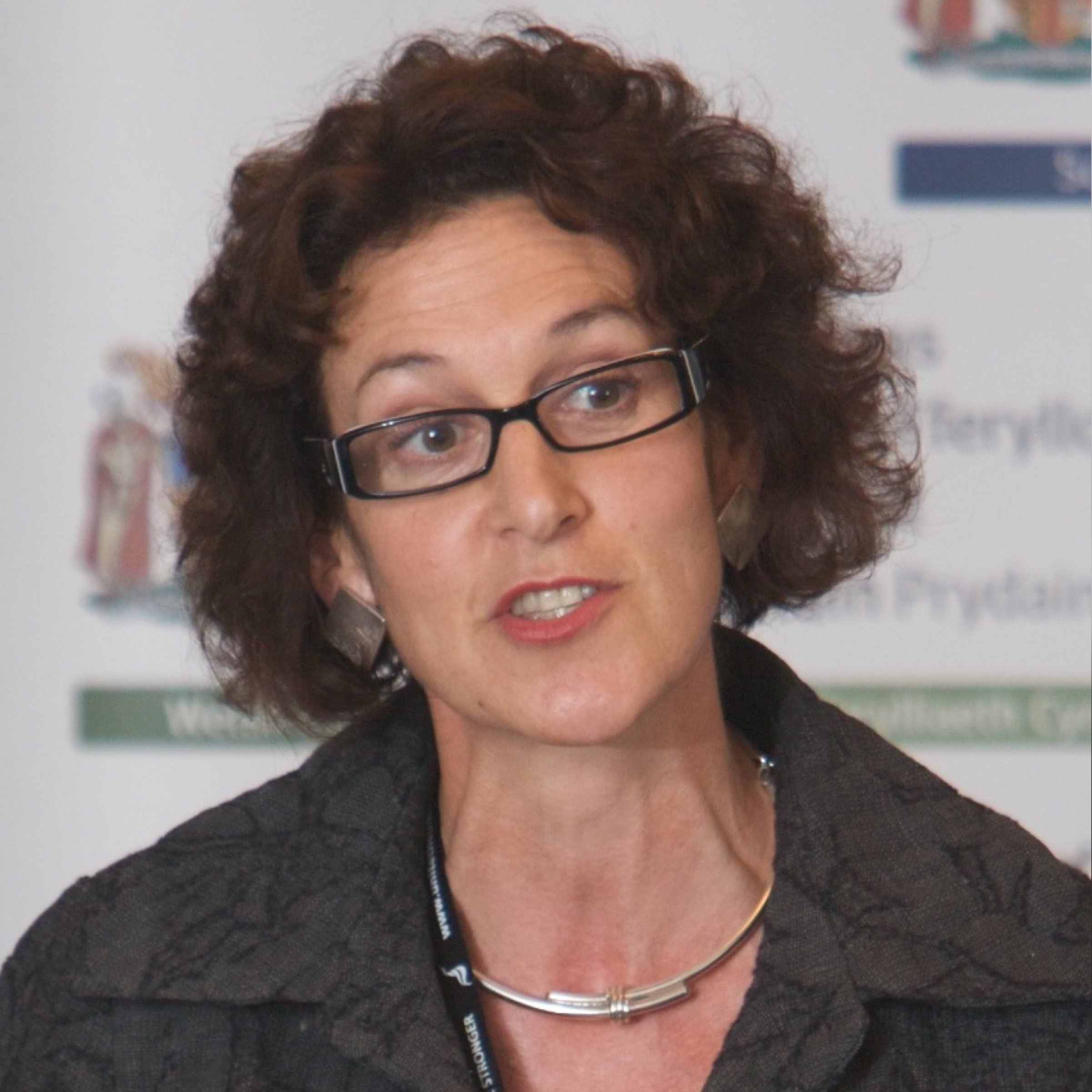
Gill Merron MP
Cabinet Office
29 June 2007
“I agree that they provide many people with a strong sense of identity and local pride. Indeed the continued use of traditional county names and areas in
Read More
tourism, sport, business, literature and the arts, to name but a few examples, bears testament to that. Of course we should all be proud of where we come from.”

Parjit Dhanda MP
DCLG
16 April 2008
“The legislation that currently defines counties for the purposes of administration of local government is the Local Government Act 1972 (as amended
Read More
by various Orders in the 1990s).
This legislation abolished the previous administrative counties, which were established by the Local Government Act 1933. However, these Acts did not specifically abolish traditional counties, so traditional counties still exist, but no longer for the purpose of the administration of local government.
We are certainly aware that many people attach importance to historic or traditional county areas and that they feel strongly about such issues. It is true that the traditional counties continue to play an important part in national life, and their names are often used in sport, business, local and family history, military history, literature and the arts.”
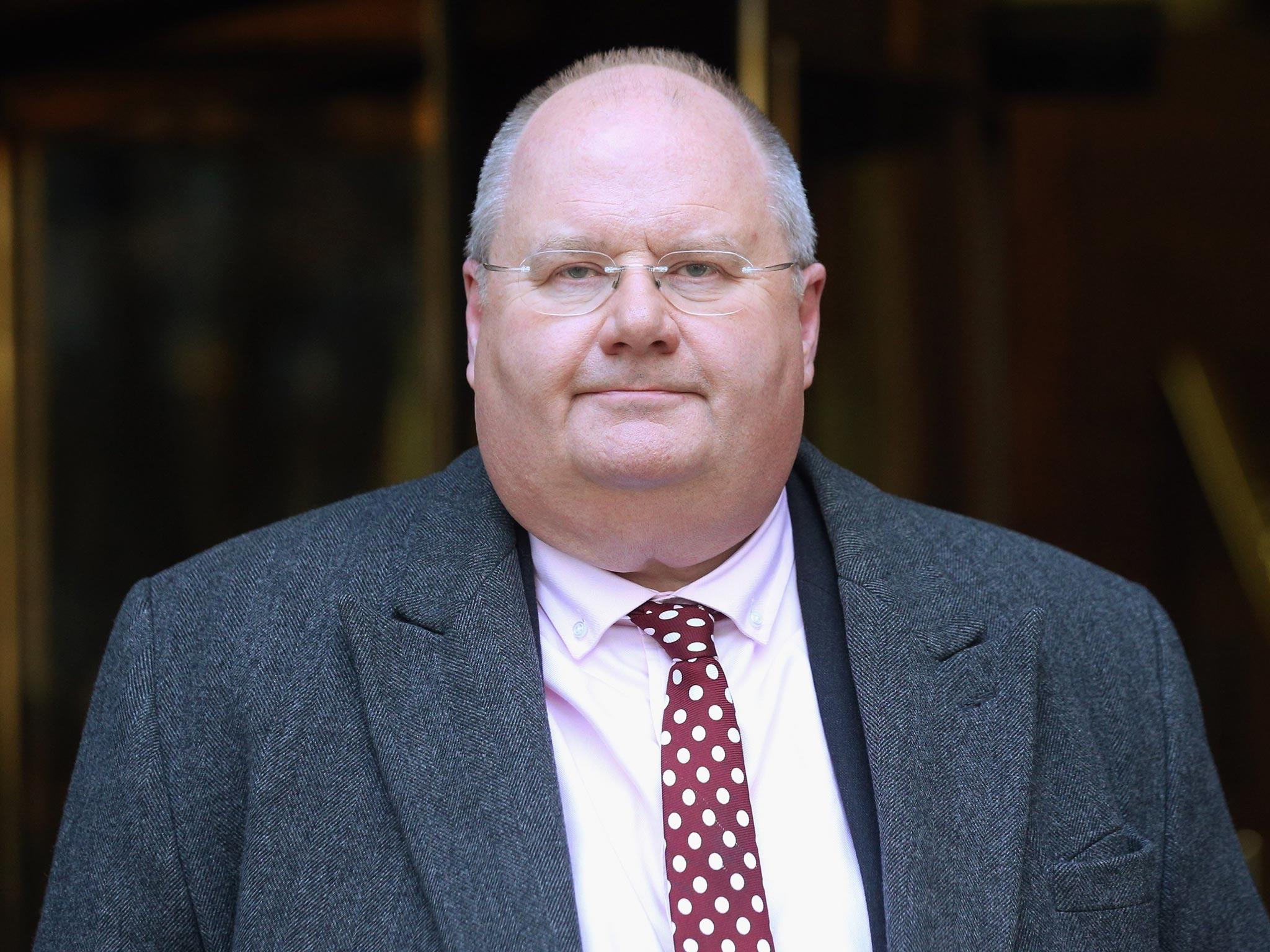
Eric Pickles MP
Secretary of State, DCLG
10 September 2010
“English counties continue to form an important part of our cultural and local identity in this country and many people remain deeply attached to their home
Read More
county. This sense of pride and shared identity is one of the things that binds communities together and it’s right that the Government department responsible for communities and local government should be actively recognising the important role they play.”
Eric Pickles MP
Secretary of State, DCLG
23 April 2013
“The tapestry of England’s counties binds our nation together. This government has binned the arbitrary Government Office euro-regions, and
Read More
instead, we are championing England’s traditional local identities which continue to run deep. Administrative restructuring by previous governments has sought to suppress and undermine such local identities. Today, on St George’s Day, we commemorate our patron saint and formally acknowledge the continuing role of our traditional counties in England’s public and cultural life.”
Eric Pickles MP
Secretary of State, DCLG
3 June 2013
“In April, my Department formally acknowledged the continuing role of England’s traditional counties in English public life. Previously, many parts of
Read More
Whitehall and municipal officialdom have shunned these counties, many of which date back over a thousand years of English history.
On 25 May, my Department flew the flag of Wessex as part of our broader programme of recognising and celebrating the traditional institutions of England. Flags are a symbol of local and national pride and heritage and we have already amended the law to make it easier to fly flags without a permit from the council. I was pleased to see that misjudged decisions by Radstock town council in Somerset and the Places for People social landlord in Preston to ban the St George’s flag have been reversed.
Recent events remind us that we are stronger as a society when we celebrate the ties that bind us together and we challenge the politics of division. Whatever one’s class, colour or creed, we should have pride in Britain’s local and national identities.”
Eric Pickles MP
Secretary of State, DCLG
28 April 2014
“England’s traditional counties date back over a thousand years of English history, but many of the counties have been sidelined by Whitehall and municipal
Read More
bureaucrats in recent decades, including the municipal restructuring by Edward Heath’s Government in 1972. By contrast, this Government are championing local communities continuing to cherish and celebrate such traditional ties and community spirit.
To mark St George’s day, on 23 April, my Department announced a new initiative to support the “tapestry” of traditional English counties, including getting rid of a Whitehall ban on the names of traditional counties being displayed on street and road signs. We have also published a new online interactive map of England’s county boundaries.
Planning guidance has been changed to allow for councils to put up boundary signs marking traditional English counties—for example, the likes of Cumberland, Huntingdonshire, Westmorland and Middlesex. In addition, the Government are shortly to propose changes to highways regulations to allow traditional county names to appear on boundary road signs. The current rules prevent unitary councils like Blackpool from having a road sign saying “Lancashire”, or Poole saying “Dorset”—since they confusingly are not considered to be part of an “administrative county”.
No council is being forced to make any change or put up unnecessary street clutter, but the intention is to free councils from Whitehall red tape, support local tourism and to cherish local ties and traditions. Local communities will be able to lobby their councils for the restoration of traditional boundary signs, including campaigns by public subscription.
This is part of a series of steps to champion England’s national identities; the Government have previously changed Whitehall rules to allow local and county flags to be flown without planning permission, and supported the Flag Institute in encouraging a new wave of county and community flags to be designed and flown by local communities.”
Eric Pickles MP
Secretary of State, DCLG
5 June 2014
“On 16 May, my Department raised the flag of Middlesex to mark Middlesex day, and on 2 June my Department also raised the flag of Dorset to celebrate
Read More
Dorset day.
England’s traditional counties date back over a thousand years of history, but in the past, many of them were sidelined by Whitehall and municipal bureaucrats. By contrast, the coalition Government are championing local people in flying the flag for such traditional ties and community spirit.”
Eric Pickles MP
Secretary of State, DCLG
13 October 2014
“This Government have been championing local communities continuing to cherish and celebrate traditional ties and community
Read More
spirit, including flag-flying.”
On 29 September, my Department raised the flag of Westmorland to celebrate Westmorland Day and on 1 October, my Department raised the flag of Lincolnshire to celebrate Lincolnshire Day. England’s counties and historic counties continue to form an important part of our cultural and local identity in this country and many people remain deeply attached to their home county.

Lord Ahmad
Under Secretary, DCLG
10 March 2015
“England’s traditional counties date back over a thousand years of English history, but many of the counties have been sidelined by Whitehall in recent decades,
Read More
whether by the bland municipal restructuring of Edward Heath’s Government in 1972, or by the imposition of artificial regional structures by the last Labour Government based on the EU’s Nomenclature of Territorial Units for Statistics (the appropriately-named ‘NUTS’ Regulations).
Yet the tapestry of England’s counties binds our nation together, and is interwoven with our cultural fabric – from our cricket to our ales. So this Government has taken a series of steps to champion our traditional counties:
We have amended planning regulations to allow local and county flags to be flown without planning permission, and published a plain English guide to flying flags. Previously, flying a county flag on an existing flag pole required a princely sum of £335 to be paid to the council.
We have supported the Flag Institute in publishing a new guide for would-be vexillologists to encourage a new wave of county and other local flags to be designed and flown.
My Department has flown a range of county flags in Whitehall to mark different county days, including Cumberland, Huntingdonshire, Westmorland and Middlesex. We have also flown flags to celebrate other historic localities such as those of the Ridings of Yorkshire and of Wessex – the kingdom which gave birth to the united English nation.
We are changing highways regulations to allow traditional county names to appear on boundary road signs. The previous rules prevented unitary councils like Blackpool from having a road sign saying ‘Lancashire’, or Poole saying ‘Dorset’ – since they were not considered to be part of the ‘administrative county’.
We have a new online interactive map of England’s different county boundaries.
Ordnance Survey, the Government’s National Mapping Agency, now provides a dataset of current, ceremonial counties(counties retained for the purposes of representing Her Majesty by Lord Lieutenants and High Sheriffs).
I can also announce to the House today that from May a dataset of the traditional, historic counties based on 19th Century boundaries will be available on the OS OpenData portal. These datasets are compatible with the OS Boundary-Line product which is available to all free of charge. Ordnance Survey is also going to provide a viewing map window on their website showing both the historic and ceremonial County boundaries on top of a base map.
Later in the year, Ordnance Survey is hoping to publish a paper map of the Historic Counties of England, Scotland and Wales (as defined in the Local Government Act 1888 for England and Wales and the Local Government (Scotland) Act 1889 for Scotland), which will be available to the general public to purchase and proudly display.
We are stronger as a nation when we cherish and champion our local and traditional ties. This Government is proud to wave the flag of St George and Union flag alongside our county flags. Whatever one’s class, colour or creed, we should have pride in our English identity within the United Kingdom’s Union that binds us all together.”
Eric Pickles MP
Secretary of State, DCLG
26 March 2015
“We have stood up for British values of common sense. We have backed British values and identity, flying the United Kingdom’s national and traditional county
Read More
flags, and recognising England’s traditional boroughs, towns, cities and counties.”
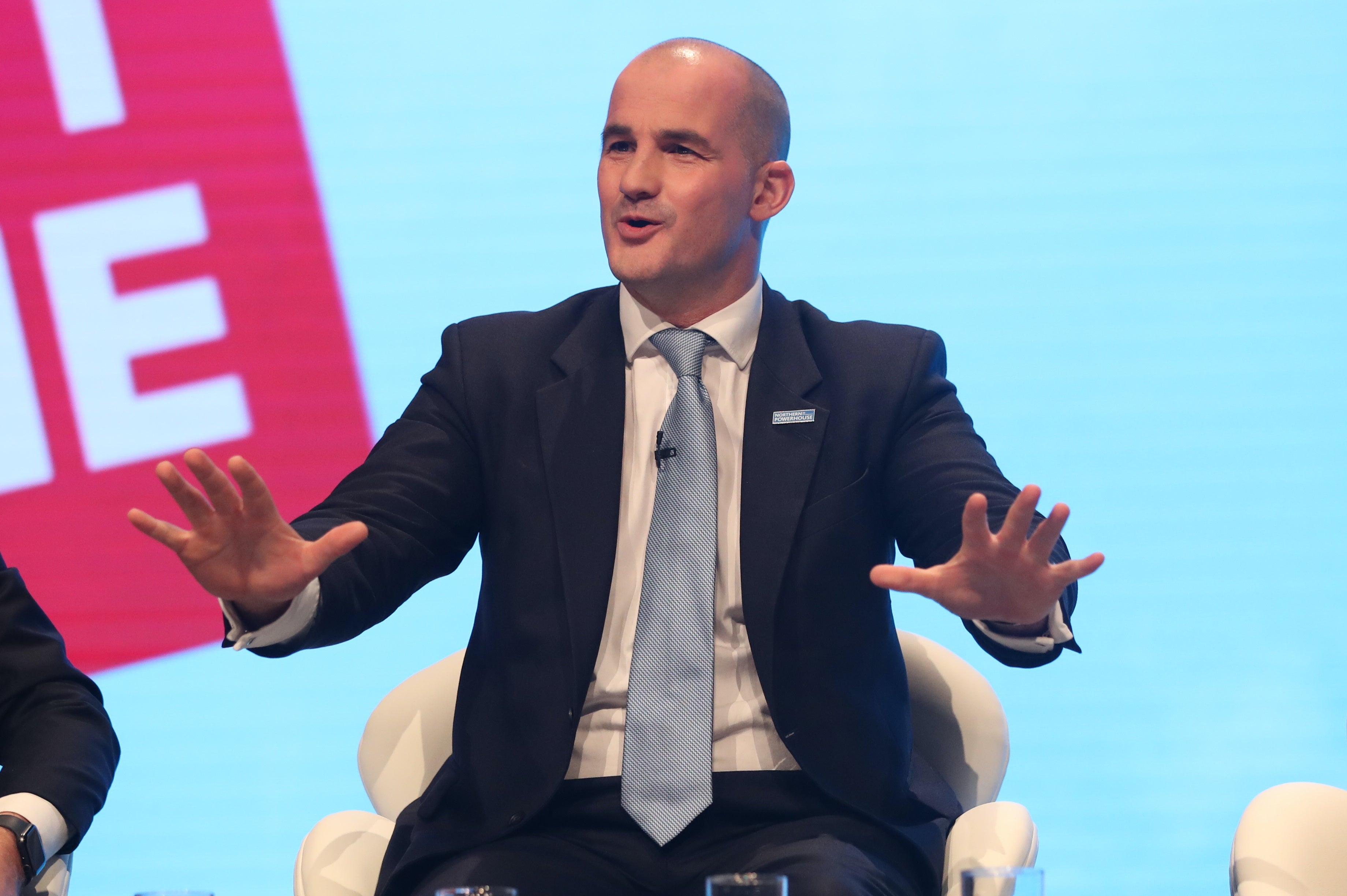
Jake Berry MP
Under-Secretary, DHCLG
20 May 2019
“I regularly have discussions with local authorities covering a wide range of issues which can include the celebration of historic counties. To help county
Read More
council leaders develop local activities to celebrate their historic counties, I issued on 10 April guidance which included a section referring to the County Flags Day on 23 July and provided advice about the flying of Historic County Flags.”
Jake Berry MP
Northern Powerhouse Minister
16 July 2019
“Our new guidance helps local authorities celebrate historic counties, their shared heritage, culture, history and our great nation. In government, we
Read More
are throwing our full weight behind historic counties through proudly flying 50 iconic county flags in the heart of Parliament Square for Historic County Flags Day on 23 July.”

Simon Clarke MP
Local Government Minister
8 July 2020
“I am a huge supporter of our historic counties which are an integral part of local identity and belonging. Over the last year or more, we have been active in
Read More
promoting the role of our historic counties in celebrating the history and traditions of our nation.
We will use the opportunity presented by Historic County Flags Day on 23 July to raise their profile once more, but given the wider pressures resulting from the COVID-19 emergency, we envisage any celebrations this year at national and local level will be done virtually or via social media.”

Robert Jenrick
Secretary of State, MHCLG
23 July 2021
“Today is an opportunity to celebrate the rich tapestry of our shared national heritage. These flags represent local traditions and stories from every corner
Read More
of Great Britain which people rightly take pride in.
I am proud to see such an explosion of colour in Parliament Square on Historic County Flags Day in celebration of all that binds us together.”
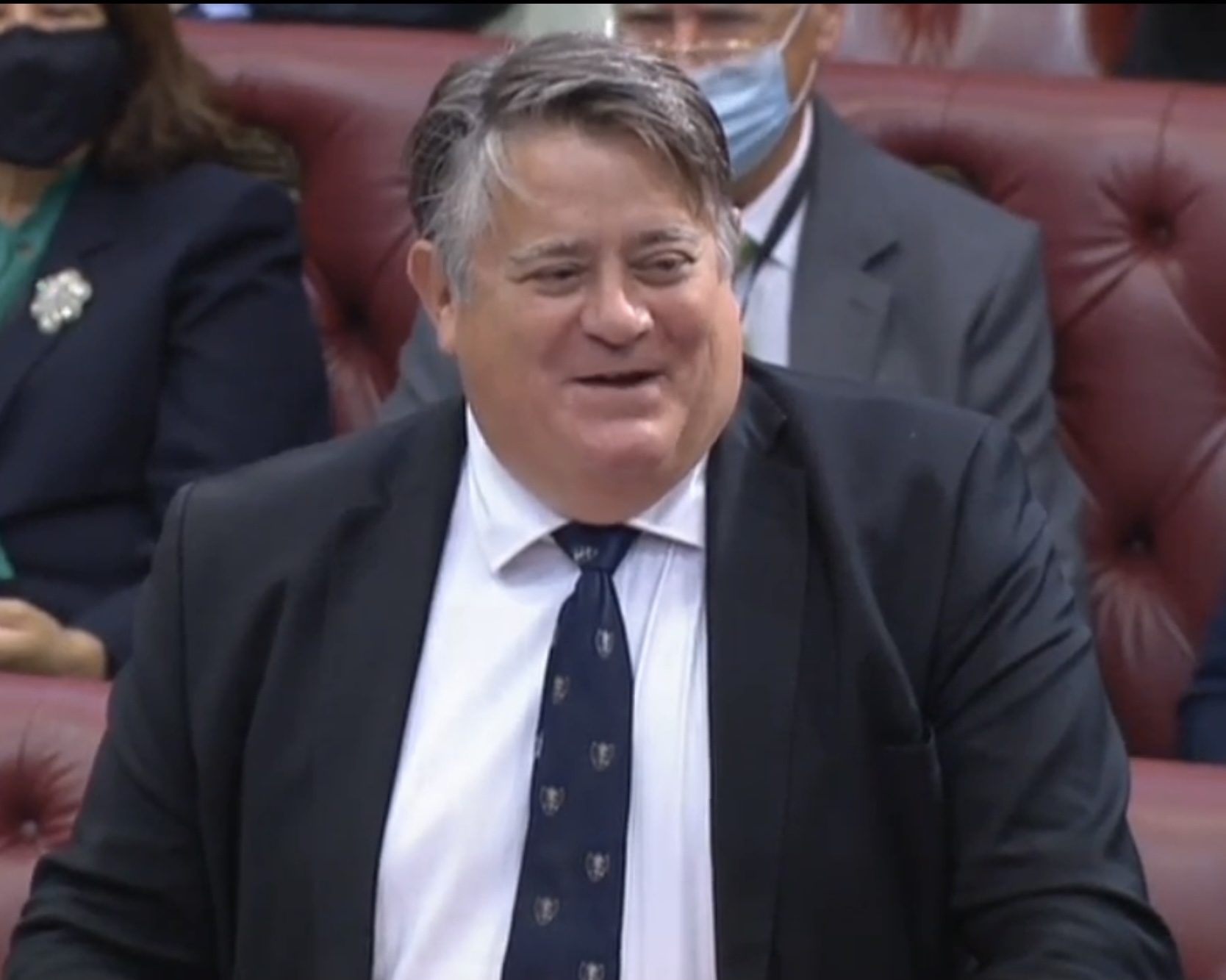
Lord Greenhalgh
Minister for Housing
16 September 2021
“The history and traditions of this country are very important and the tapestry of our historic counties is one of the bonds that draws the nation
Read More
together. We support various initiatives to celebrate our historic counties and encourage local leaders across Great Britain to do the same.”
Lord Greenhalgh
Minister for Housing
16 September 2021
“The Government have taken steps to ensure it is easier to recognise historic counties. In 2014, planning rules were changed to allow councils to put up
Read More
boundary signs marking traditional English counties. In 2015, the Government commissioned Ordnance Survey to produce historic and ceremonial county-boundary datasets, and we are open to other ideas.”
Lord Greenhalgh
Minister for Housing
16 September 2021
“The Government proudly flew the Yorkshire flag outside our headquarters to mark Yorkshire Day. That beautiful flag was part of the display in Parliament Square that flew for a week to
Read More
mark Historic County Flags Day on 23 July. We recognise that people should take great pride in their local identities and we continue to do so, irrespective of the local administrative areas.”

Index of Place Names
User Guide
May 2024
“The historic counties of Great Britain (also known as ancient counties, counties proper, geographical counties or traditional counties) have existed largely unchanged since the Middle Ages.
Read More
Their original administrative function became the responsibility of separate administrative counties and county councils set up by the Local Government Act 1888 and the Local Government (Scotland) Act 1889. It was these administrative counties and county councils that were abolished in England and Wales in 1974 by the Local Government Act 1972, and in Scotland in 1975 by the Local Government (Scotland) Act 1973, not the historic counties.
They [the historic counties] are recommended as a stable, unchanging geography which covers the whole of Great Britain.”
 Campaign for Historic Counties