
County Confusion

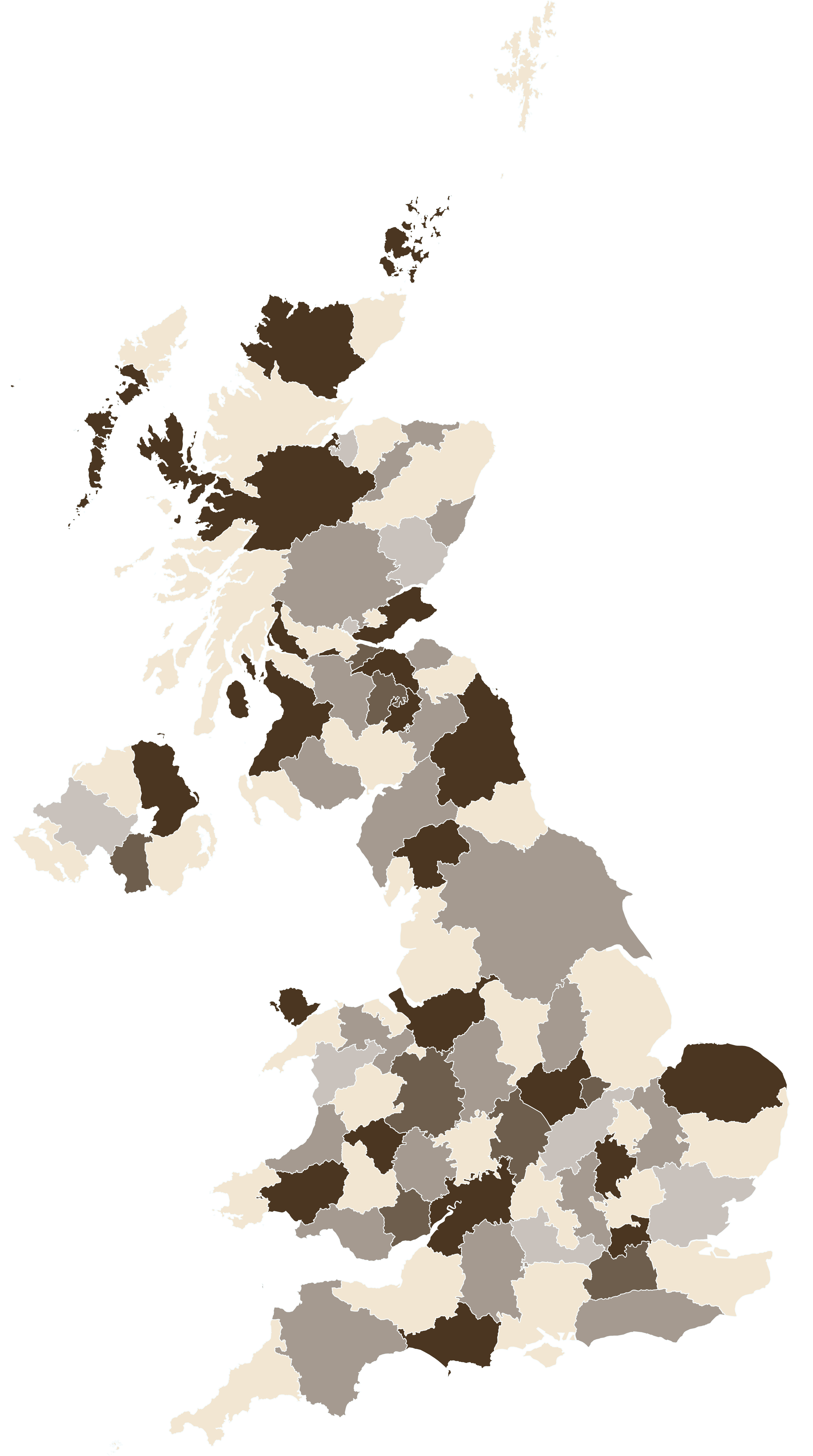
The current confusion surrounding Britain’s counties stems from the fact that there are currently THREE different definitions of ‘county’ in law:
1. Administrative ‘Counties’
Defined by the Local Government Act 1972
2. Ceremonial ‘Counties’
Defined by the Lieutenancies Act 1997
3. Historic Counties
Geographical boundaries that date back over many centuries
There is no need for definitions 1 and 2 to exist alongside *actual* (historic) counties – and it is part of our campaign that ‘county’ should not be used in either of these contexts.
Local Government and ‘administrative counties’
In 1888/1889, when modern local government was first created, the areas of its ‘administrative counties’ were loosely based on the historic counties and local government remained fairly closely based on the historic counties from 1888-1965.
However, numerous local government reforms since then mean that few local authorities now have an area anything like any historic county. Despite this, ‘county’ and ‘county council’ are still used in local government terminology. Many councils also use the name of an historic county, despite having a very different area from that county.

Definition 1 basically refers to local admin zones (‘county’ councils, shown here in red) – these have no need to be called ‘counties’ and the fact that they use this name in law is unhelpful to the *actual* counties, which pre-date the 1888/1889 local government creations by many centuries.
In other words, local admin zones do not need to use the name ‘counties’ in order to function.
Ceremonial ‘Counties’
Definition 2 refers to ceremonial ‘counties’ or ‘lieutenancy areas’ – the geographical area defined for each of His Majesty’s Lords Lieutenant.
The office of lord lieutenant was created in the 1540s for the purpose of organising the local militia. The office has never defined the counties – which pre-date that office by many centuries.
Prior to 1889, the lords lieutenant and sheriffs were appointed directly to the historic counties and their areas remained very close to the historic counties until 1974.
There is no practical obstacle to a return to this approach.
Lieutenancies of Scotland, England and Wales
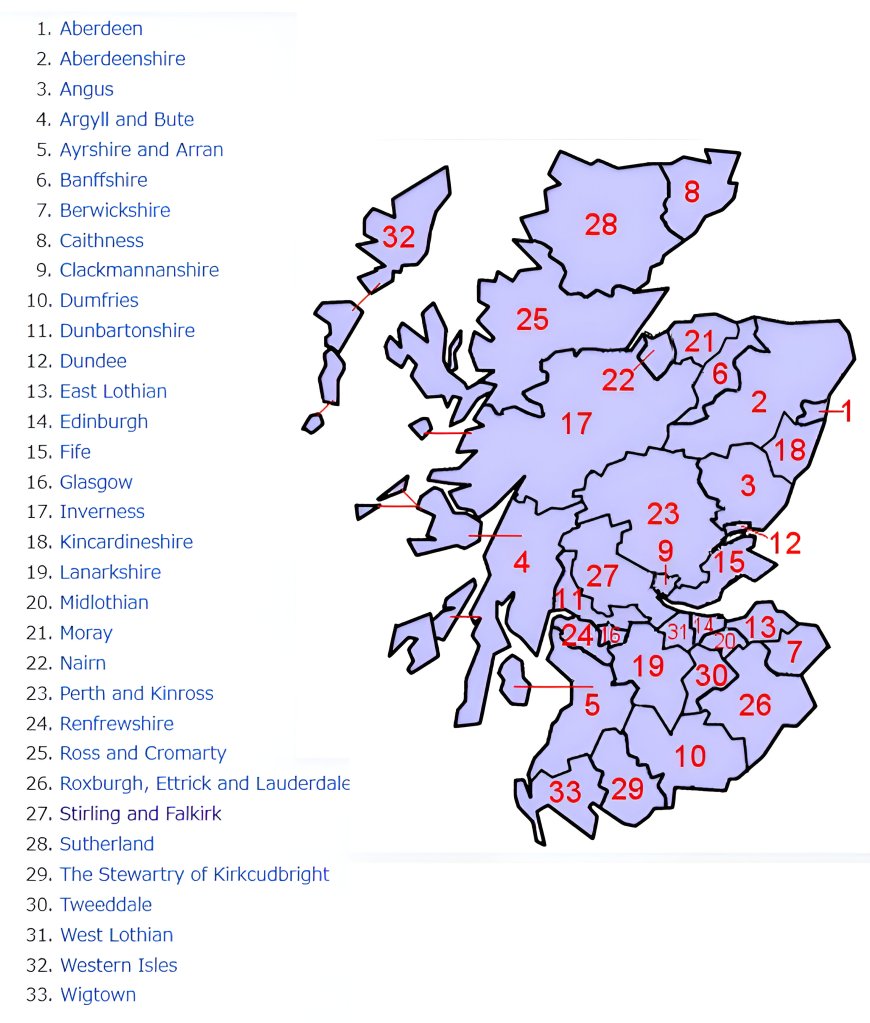
In contrast to England and Wales, many of the lieutenancies of Scotland are closely aligned with an historic county and not aligned with current local government areas. This presents no problem to their operation.
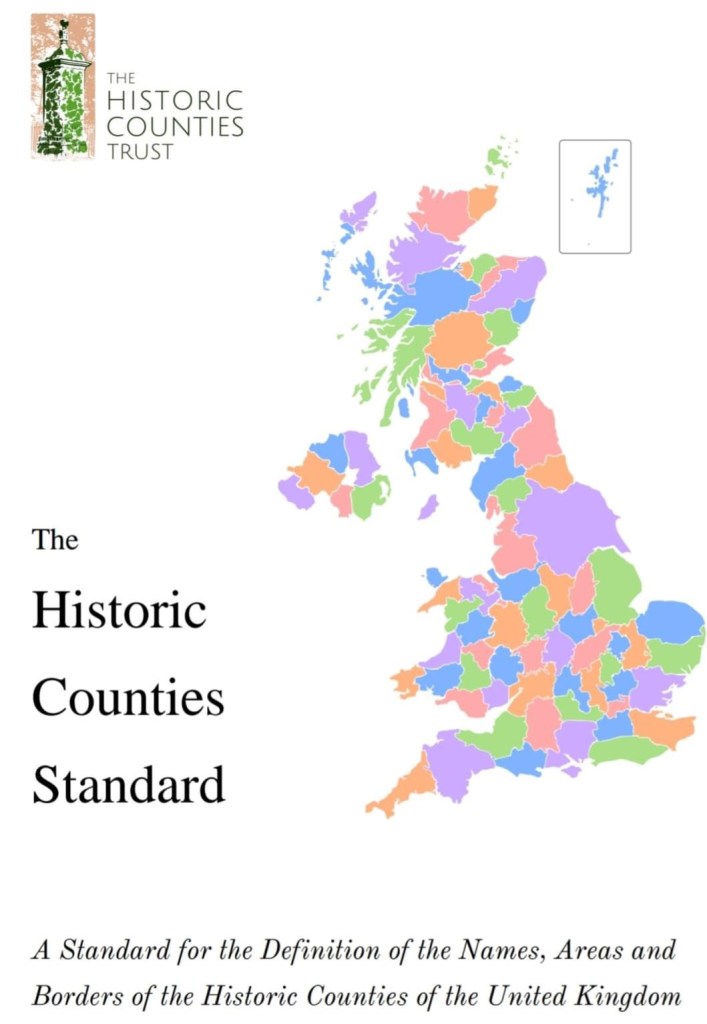
The Lieutenancies Act 1997 governs the organisation of the lieutenancies of Great Britain.
To properly align the lieutenancies with the historic counties, the lieutenancy areas of the Lieutenancies Act 1997 should be defined in terms of the Historic Counties Standard, widely recognised (e.g. by the Office for National Statistics) as the standard definition for the names and geographical areas of the historic counties.
City of London, Isle of Wight and Yorkshire

The practice prior to 1974 ascribed a lord lieutenant to each of the ridings of Yorkshire, to the Isle of Wight and the City of London.
(The Isle of Wight is part of Hampshire but has always had its own lord lieutenant, the governor of the island previously fulfilling the role.) For the City of London, the post of lord lieutenant is held in commission, with the Lord Mayor head of the Commission.
We are happy for these arrangements to be the basis for a realignment of ceremonial ‘counties’ to match traditional counties.
We also accept, pragmatically, that the lieutenancies should be defined by use of definition A of the Historic Counties Standard, whereby detached parts of counties are not separately identified, but are associated with their host county.
Furthermore, any move to base the lieutenancies on the historic counties should be done in a way which makes it clear that the office of lord-lieutenant does not define the historic counties.
‘English Counties Explained’
This video by #MapMen, Mark Cooper-Jones and Jay Foreman, explains (in a humorous way) the origins of England’s counties and the current mess and county confusion that exists.
As ever, we reiterate that the chaos and confusion surrounding Britain’s counties would end with the implementation of our objectives.
 Campaign for Historic Counties