
County Profiles
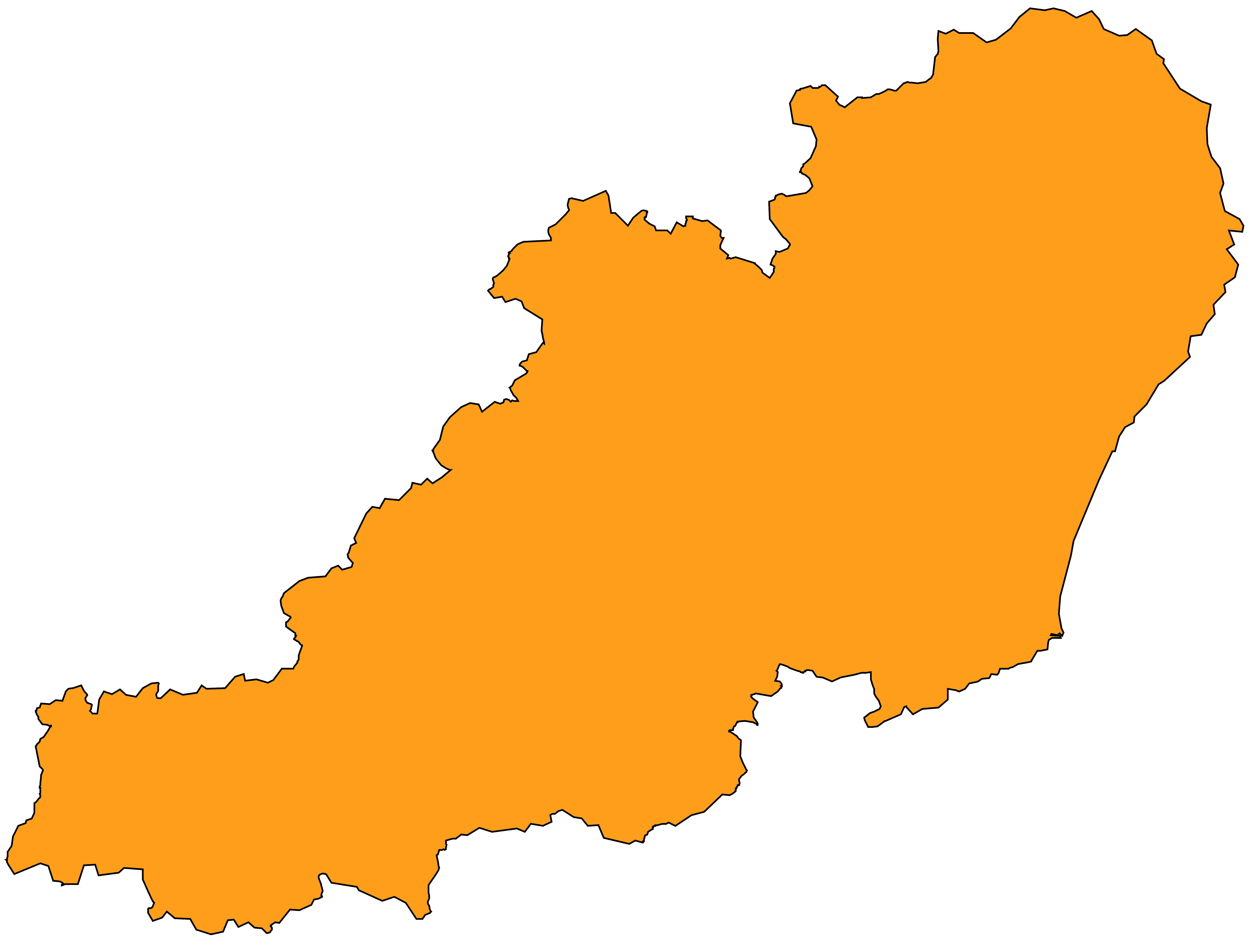
Aberdeenshire
Siorrachd Obar Dheathain
County of Aberdeen
✨ Ancient heart of the Picts
👑 Sheriffdom by 12th century
🏰 Castles and royal burghs
🖋️ ‘Abirdeenshire’ in charters
A county of granite, castles and Highland gates. 🏔️🏰
Read More
Aberdeenshire is a Highland county with a long tradition of being divided into five historic districts. In the far north lies Buchan, whose “Cold Shoulder” coast is home to the fishing towns of Fraserburgh and Peterhead, along with the celebrated “Nine Castles of the Knuckle.”
To the east, Formartine stretches between the rivers Ythan and Don, with the ruins of 16th-century Ellon Castle at its heart. Garioch, centred on Inverurie and the River Ury, forms the fertile core of the shire, while to its north, Strathbogie is famed for rich farmland and Huntly Castle, once the seat of Clan Gordon.
In the south, Mar reaches deep into the Grampian Mountains, renowned for its castles, including the striking pink-stone Craigievar. At the mouth of the River Dee lies Aberdeen itself — the Granite City — long a cultural and commercial hub, and today the centre of the North Sea oil industry.
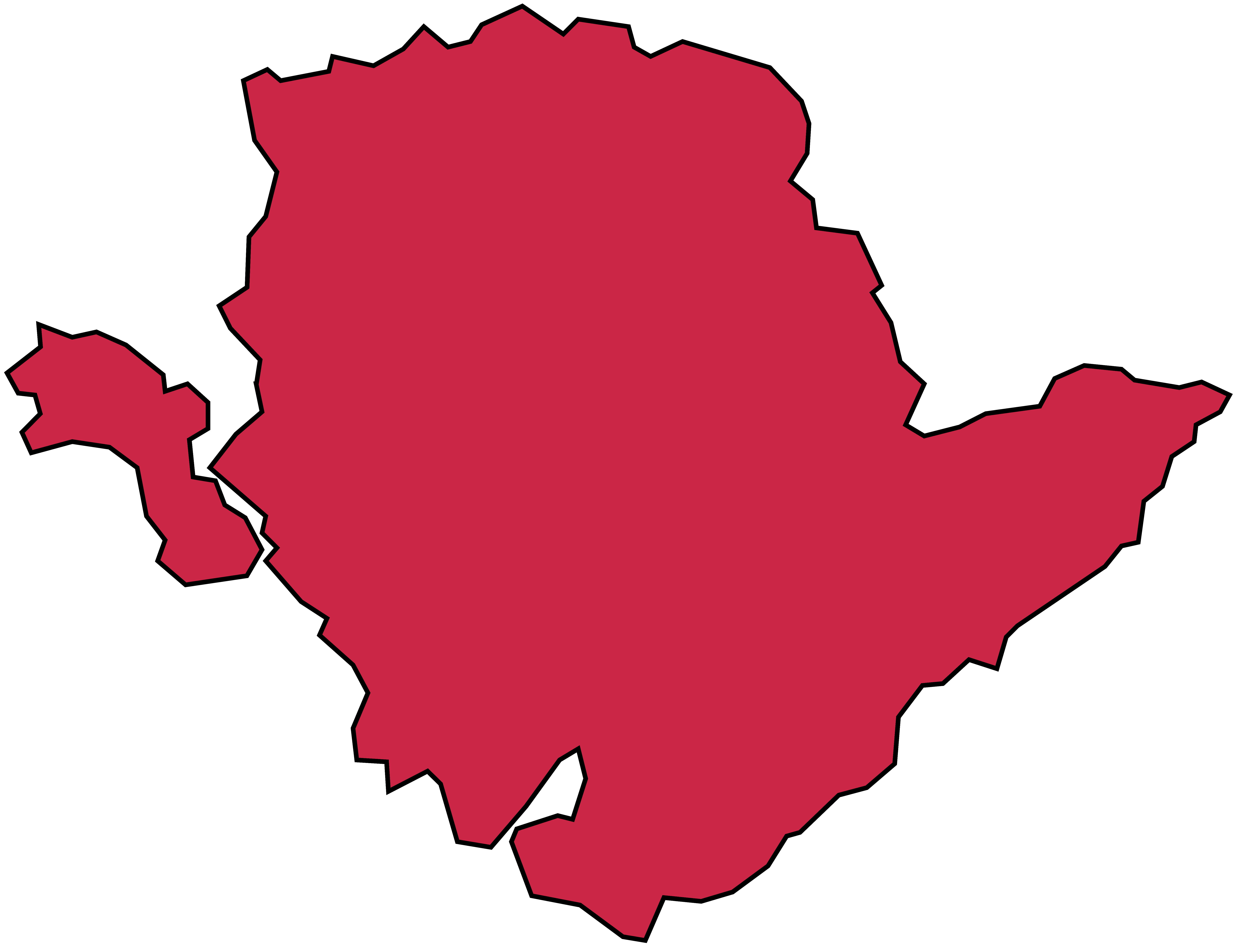
Anglesey
Sir Fôn
County of Anglesey
✨ Sacred isle of the druids
👑 County from 1284
🏰 Beaumaris = county town
🖋️ Old Norse Ongull’s ey
An island county of druids, castles and sea. 🌊🌿
Read More
Anglesey is Wales’s island county, lying just across the Menai Straits (Afon Menai) from Caernarfonshire. The straits are famously crossed by the Menai Suspension Bridge (Pont Grog y Borth) and the Britannia Bridge (Pont Britannia), linking the island to the mainland.
The county is formed of two main islands: Anglesey itself and Holy Island (Ynys Gybi), joined to the main isle by a causeway. The north coast is rugged and rocky, a haven for seabirds, while much of the rest of the shoreline is gentler, lined with shingle and sandy beaches.
Llangefni is the chief market and farming town, while Beaumaris (Biomarís), with roots stretching back to Viking times, is famed for its great castle. Amlwch grew as an 18th-century port, and Holyhead (Caergybi), on Holy Island, has long been a vital harbour, its story reaching back to the Roman fort that once guarded the site.
Away from the towns, Anglesey remains a tranquil, largely Welsh-speaking county, rich in antiquities, from Beaumaris Castle to the ruins of St Dwynwen’s Church.


Angus
Aonghas
Forfarshire/County of Forfar
✨ Pictish province of Oengus
👑 Sheriffdom by 12th century
🏰 Forfar = county town
🖋️ ‘Forfarshire’ in charters
A county of glens, kirks and Pictish stones. 🐂⛪
Read More
Angus is a maritime county on Scotland’s east coast, where fertile farmland meets dramatic seashore.
Along the coast lie Dundee (Dùn Dèagh), a city that rose to prosperity through jute, shipbuilding, and trade; Carnoustie, world-famous for its golf links; Arbroath (Obar Bhrothaig), with its great 12th-century abbey where the 1320 Declaration of Arbroath was signed; and Montrose (Monadh Rois), a lively port town.
Inland stretches Strathmore (An Srath Mòr), the “Great Valley,” long known for its rich farmland and as the home of the renowned Angus cattle. Brechin (Brechainn) stands out for its ancient cathedral and round tower, while Forfar, whose roots reach back to Roman times, is the traditional county town.
To the north rise the Grampian Mountains, cut by the famous Five Glens of Angus — Isla, Prosen, Clova, Lethnot, and Esk — each celebrated for their rugged beauty. In the south-west, the Sidlaw Hills form a natural border with Perthshire.
Angus is a county of contrasts: coast and mountain, farmland and forest, ancient history and enduring tradition.

Antrim
Aontroim
County Antrim
✨ Land of the Dal Riata
👑 Shired in the 16th century
🏰 Carrickfergus and Belfast
🖋️ ‘Countie of Antrim’
A county of glens, giants and sea crossings. 🌊⛰️
Read More
Antrim is a coastal county of Ulster, bounded by the sea to the north and east, by the River Bann and Lough Neagh to the west, and by the River Lagan to the south.
The county town, Antrim (Aontroim), sits near the shore of Lough Neagh as a modest market centre. Antrim is a land of contrasting landscapes: in the north-east, the Antrim Hills run down to the sea, cut through by the scenic Glens of Antrim.
On the north coast stands the world-famous Giant’s Causeway, with its striking hexagonal basalt columns. Inland lies the valley of the River Main, home to the towns of Ballymena (An Baile Meánach) and Ballymoney (Baile Monaidh).
To the south, the county is dominated by Belfast (Béal Feirste) at the head of Belfast Lough, with its surrounding satellite towns stretching towards Lisburn (Lios na gCearrbhach).
Argyllshire
Earra-Ghàidheal
County of Argyll
✨ Land of the Gaels
👑 Shire by 13 century
🏰 Cradle of Dál Riata
🖋️ Medieval records = Argyle
A county of lochs, isles and Scotland’s earliest kings. 🌊👑
Read More

Argyllshire is a maritime county of dramatic scenery, deeply carved by sea lochs and divided into peninsulas and scattered islands reaching into the Atlantic.
It includes most of the Inner Hebrides — Jura, Islay, Mull, Colonsay, Coll, Tiree, Rùm, Muck, and Canna — and the entire western mainland coast between the Mull of Kintyre and the Ardnamurchan Peninsula.
The mainland is cut by lochs into distinct districts: Ardnamurchan, Morvern, Appin, Benderloch, Lorne, Argyll, Cowal, Knapdale, and Kintyre. Both mainland and islands are predominantly mountainous.
Inveraray (Inbhir Aora) is the ancestral seat of the Dukes of Argyll, while Oban (An t-Òbain) serves as the “Gateway to the Isles.” Iona (Ì Chaluim Chille) is renowned as the centre of St Columba’s mission to bring Christianity to the Scots and Picts.
Armagh
Ard Mhacha
County Armagh
✨ Associated with St Patrick
👑 County by the 16th century
🏰 Armagh = county town
🖋️ ‘Armagh’ in Tudor surveys
A county of saints, scholars and ancient seats. ⛪📜
Read More

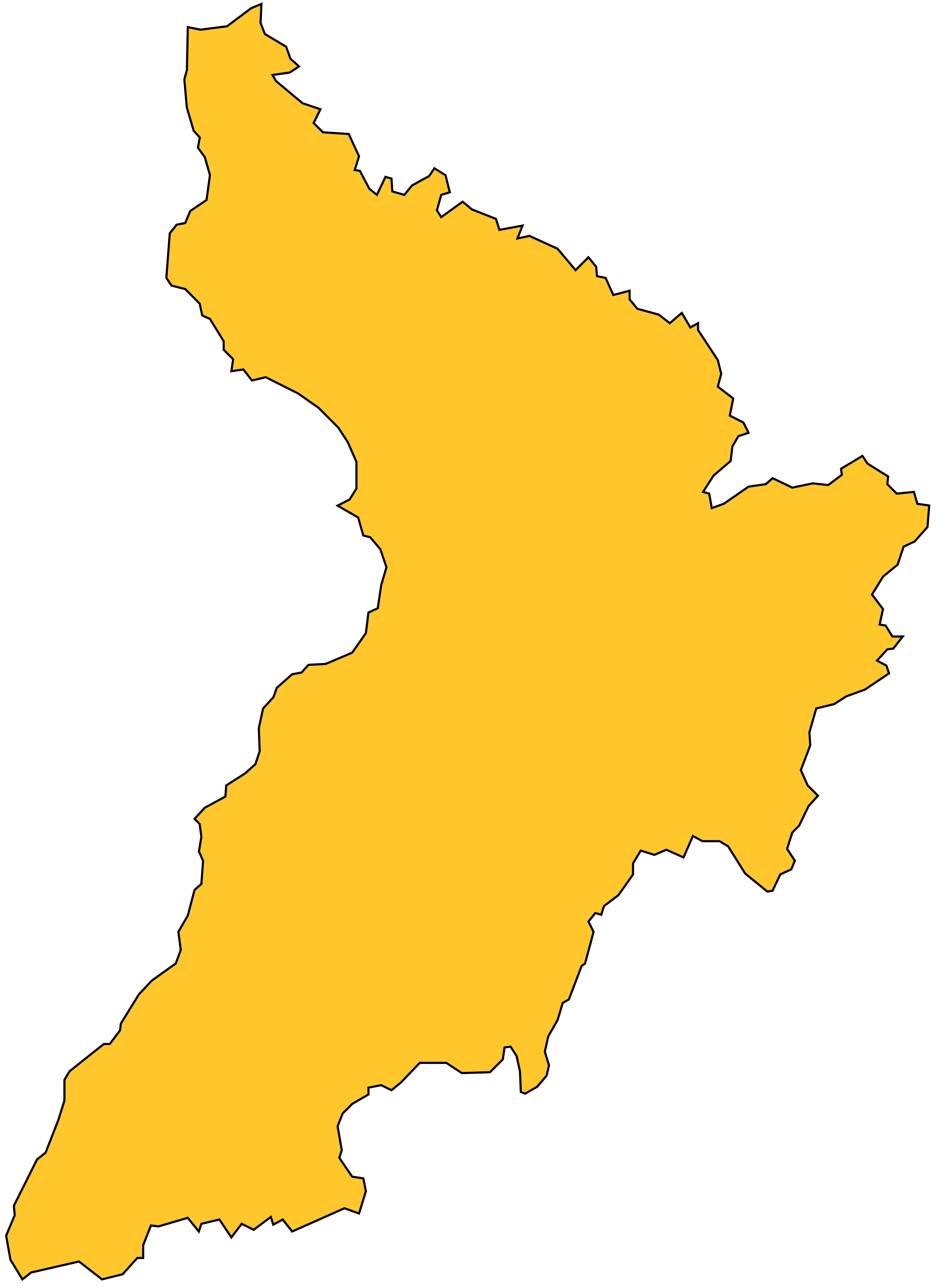
Armagh is an inland county of Ulster, characterised by its largely agricultural landscape. Its northern boundary is marked by Lough Neagh (Loch nEathach), fed by the Blackwater (An Abhainn Mhór), which separates Armagh from Tyrone, and the Newry River (An tSruth Nua), forming the border with Down.
Between these river valleys lies a slightly more hilly district. The city of Armagh (Ard Mhacha) serves as the seat of the Primate of All Ireland, the Archbishop of Armagh, reflecting its long ecclesiastical importance.
Nearby is Emain Macha (Navan Fort), the legendary royal seat of the Kings of Ulster, famed in the tales of Cú Chulainn.
Towns such as Portadown (Port an Dúnáin) and Lurgan (Lorgain), close to Lough Neagh, date from the Plantation of Ulster, while Newry (An tIúr), partly in Down, was founded in 1144 around a Cistercian abbey.
Ayrshire
Siorrachd Inbhir Àir
County of Ayr
✨ Kyle, Carrick, Cunninghame
👑 Sheriffdom by 12th century
🏰 Ayr = burgh & county town
🖋️ Charters: ‘Are’ or ‘Ayrschire’
A county of coast, castles and Robert the Bruce. 🏰🦁
Read More
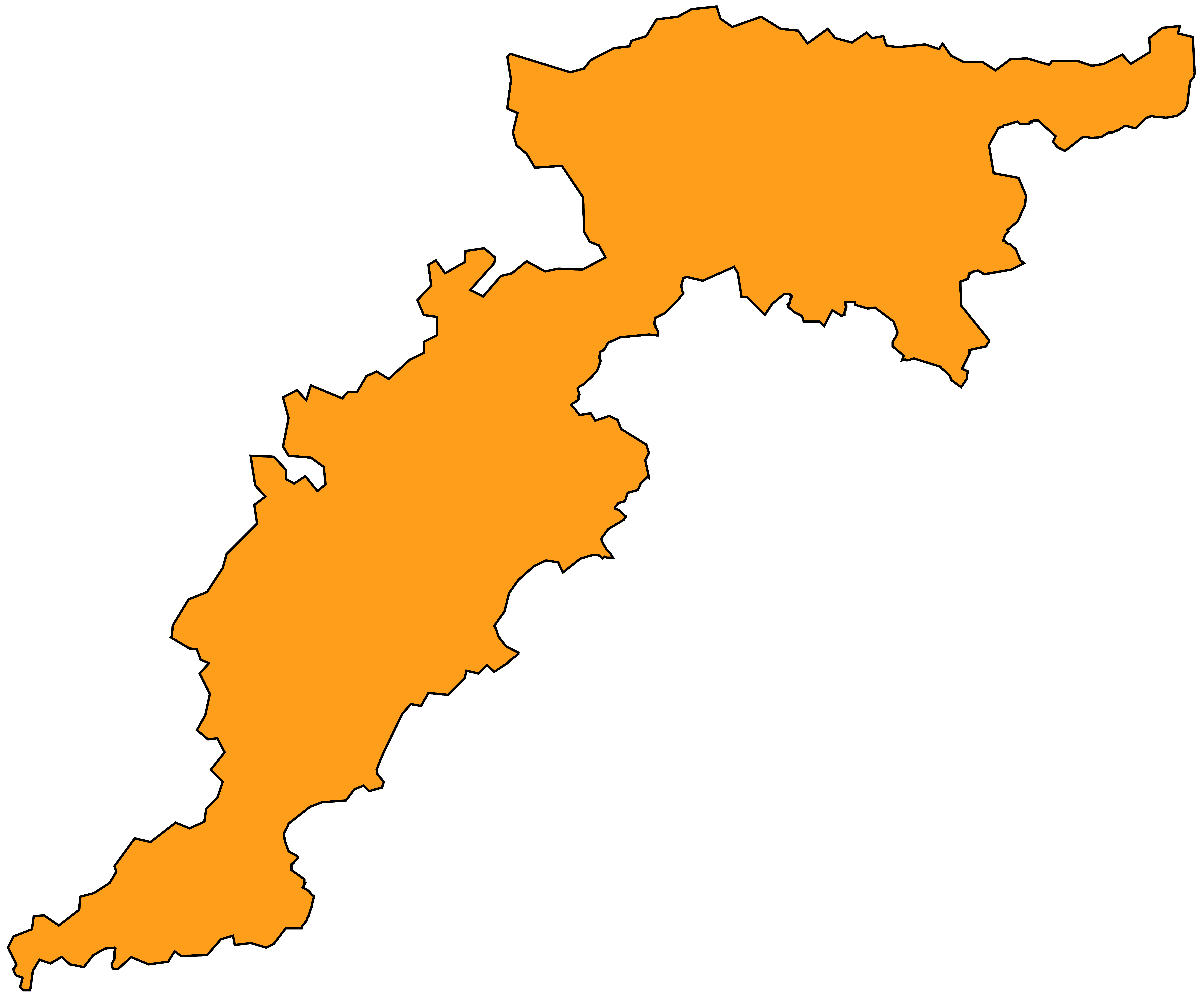
Ayrshire is a maritime county along the east shore of the Firth of Clyde (Firth Chluaidh).
Its traditional districts — Cunninghame (Cuinneag), Kyle (Caol), and Carrick (Carraig) — predate the formation of Ayrshire itself.
The county is one of Scotland’s most fertile agricultural regions, producing root vegetables, summer fruits, pork, and cattle.
Ayrshire was also formerly heavily industrialised: Kilmarnock (Cill Mheàrnaig), the largest town, developed around the textile industry with formally planned streets.
Along the coast, Saltcoats (Na Tràighean) boasts sandy beaches, while Troon (An Trùn) is famed for its golf club.
Ayr (Inbhir Àir), established as a Royal Burgh in 1205, sits at the heart of the county, and nearby Prestwick (Prèast-bhàc) has long been central to Scotland’s aviation industry.
Alloway (Allmhaigh) is celebrated as the birthplace of Robert Burns, adding a rich cultural note to this scenic and historically important county.
Banffshire
Siorrachd Bhanbh
County of Banff
✨ Coastal Pictish lands
👑 Shire by the 12th century
🏰 Banff = royal burgh
🖋️ Medieval name ‘Banffschire’
A county of fishing towns and Highland glens. 🐟🏞️
Read More
Banffshire is a county on the Moray Firth (Cuan Mhoireibh), stretching inland along the valley of the River Spey (Abhainn Spè) into the Grampian and Cairngorm Mountains.
Its interior is renowned for whisky production, with famous distilleries at Glenlivet (Gleann Lìobh), Aberlour (Obar Lobhair), Dufftown (Baile an Duibh), and Keith (Ceiteach).
The rugged mountains give way in the north to rolling countryside, rich glens, and fertile plains that descend to the coast.
Banff (Banbh), on Banff Bay, boasts many historic buildings, while nearby Duff House (Taigh Dhubh) is celebrated as one of Scotland’s finest classical houses.
Across the bay lies Macduff (Mac Dhuibh), and just beyond is the Art Deco, seawater-filled Tarlair Lido. On the coast, Portsoy (Port Saoidh) preserves its 17th-century Old Harbour, and Buckie (Bucaid), centred on the 19th-century Cluny Harbour, is the county’s largest town.


Bedfordshire
County of Bedford
County Day 28 November
✨ c.1011 = ‘Bedefordscir’
👑 Shire by early 10th century
🏰 Bedford = Anglo-Saxon
🖋️ Domesday: ‘Bedefordscir’
A shire at England’s heart, with deep Anglo-Saxon roots. 🌾🏰
Read More
Bedfordshire is an inland county in the southern Midlands, largely defined by rich farmland, rolling countryside, and charming villages.
The northern part of the county is entirely rural. Bedford, the county town, sits at the heart of the shire on the banks of the River Great Ouse, while the nearby village of Elstow — birthplace of John Bunyan — preserves its 15th-century Moot Hall.
To the east lie the market towns of Biggleswade and Sandy, both on the River Ivel. The southern edge of Bedfordshire is marked by the chalk ridge of the Chiltern Hills, with Luton occupying a natural break in the hills.
Dunstable stands at the historic crossing of Watling Street and the Icknield Way, and Leighton Buzzard is a traditional market town on the River Ouzel. The county also boasts Woburn Abbey, a grand mansion set within historic landscaped gardens.


Berkshire
Royal Berkshire
Berks
✨ c.860 = ‘Bearrocscir’
👑 Shire by 9th C & King Alfred
🏰 Windsor Castle & Abingdon
🖋️ Domesday Book: Berrocscir
A royal county of hills, kings, and ancient roots. 👑🌳
Read More
Berkshire is a Royal County in southern England, with the River Thames forming its entire northern boundary.
The north-west is dominated by the Berkshire Downs, along which runs the prehistoric Ridgeway, while between the Downs and the Thames lies the Vale of White Horse, overlooked by the famous White Horse of Uffington.
Wantage was the birthplace of Alfred the Great. Abingdon features the Shire Hall, a fine example of 17th-century Baroque architecture. The south-west of the county lies in the Kennet Valley, where Newbury is notable for its many 17th-century buildings.
Reading, with the ruins of its 12th-century abbey, stands at the confluence of the Kennet and the Thames.
In the populous east of Berkshire are Wokingham, an ancient market town; Bracknell, a post-war new town; Sandhurst, home to the famous military academy; Ascot, known worldwide for its racecourse; Maidenhead, a prosperous riverside town; and Windsor, dominated by the iconic Windsor Castle.

Berwickshire
Siorrachd Bhearaig
County of Berwick
✨ England/Scotland borders
👑 Shire by the 12th century
🏰 County town = Duns
🖋️ Berwick = medieval port
A Borders county of markets, marches and conflict. ⚔️🏞️
Read More
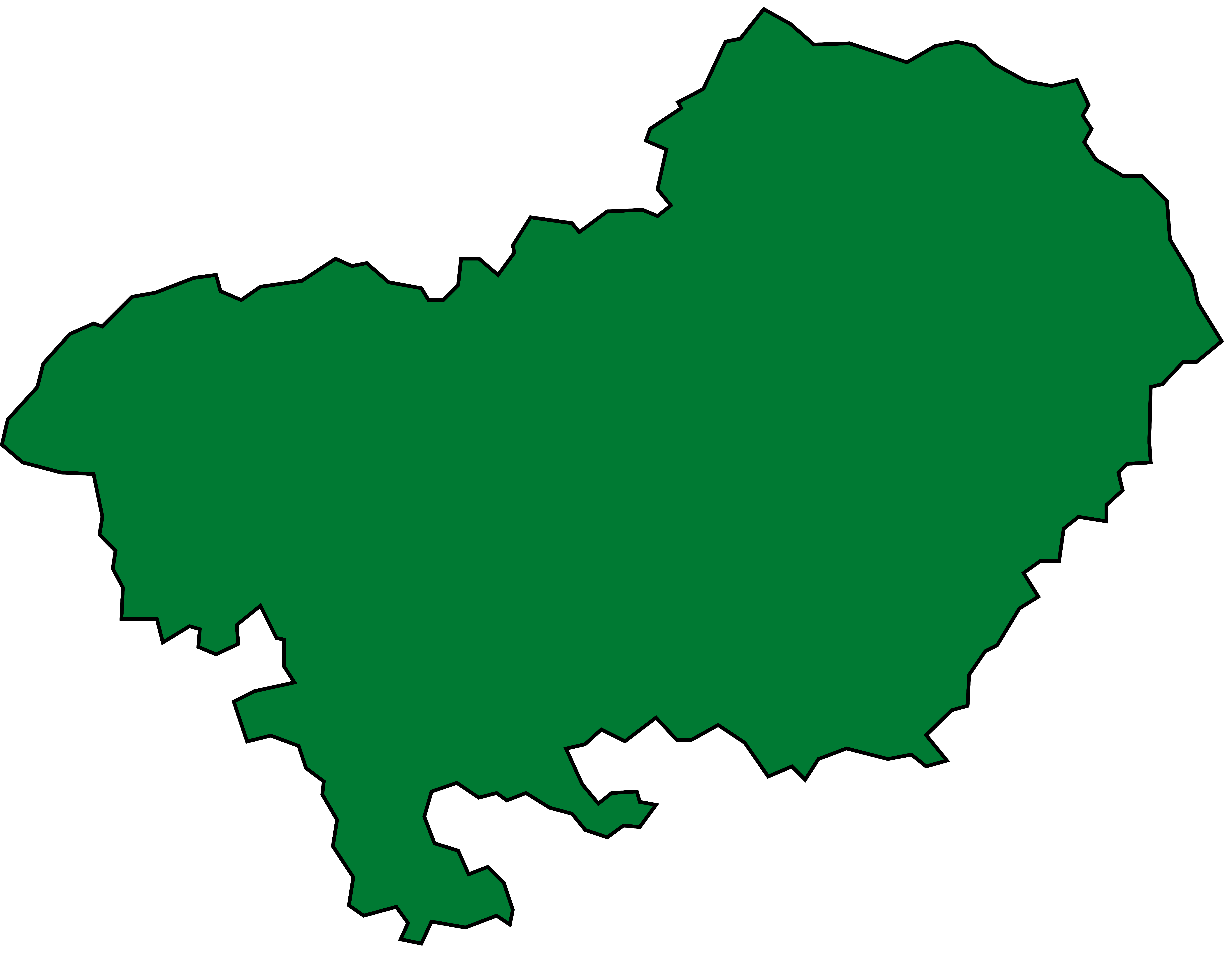
Berwickshire is a lowland shire along the border of England and Scotland.
The county can be divided into three distinctive areas. In the north-west lies Lauderdale, the long, narrow valley of the River Leader, once a royal hunting forest and now almost entirely agricultural.
The northern part of the county rises into the stark yet beautiful Lammermuir Hills, with Greenlaw, notable for its impressive town hall, nestled in the foothills.
The Merse occupies the pastoral lands between the Lammermuirs and the River Tweed, which marks the border with Northumberland.
At its centre, Duns is rich in historic buildings, while Coldstream, on the Tweed, was once famous for runaway marriages.
The grounds of Dryburgh Abbey are the resting place of Sir Walter Scott and Field Marshal Douglas Haig.
Along the coast, high cliffs give way to sandy coves and picturesque harbours, with Eyemouth serving as both a fishing port and a resort town.
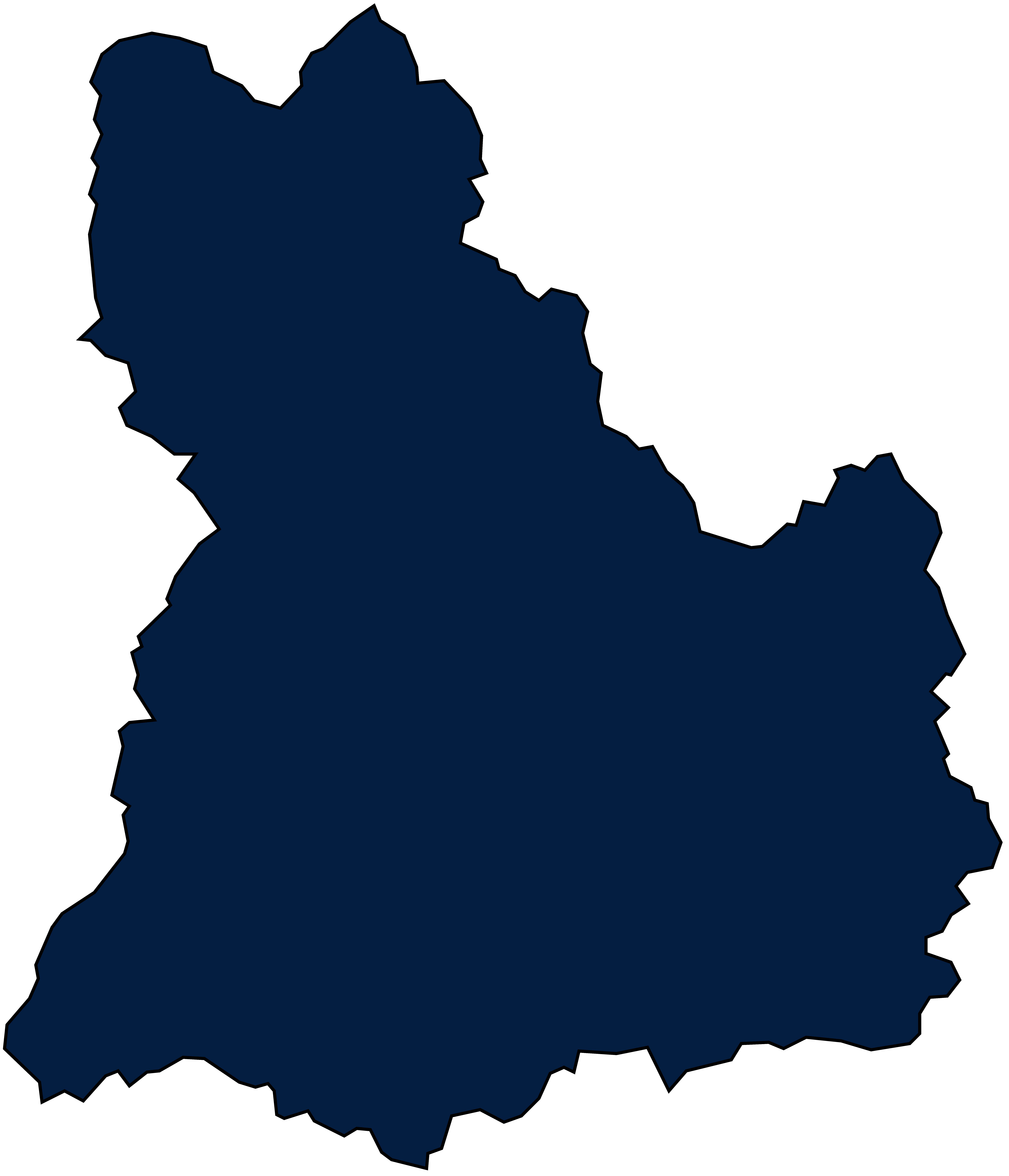
Brecknockshire
Sir Frycheiniog
County of Brecknock/Brecon
✨ Kingdom of Brycheiniog
👑 Became a county in 1536
🏰 Brecon is county town
🖋️ Brecknock or Breconshire
A county of mountains, lakes and medieval roots. 🏔️⛪
Read More
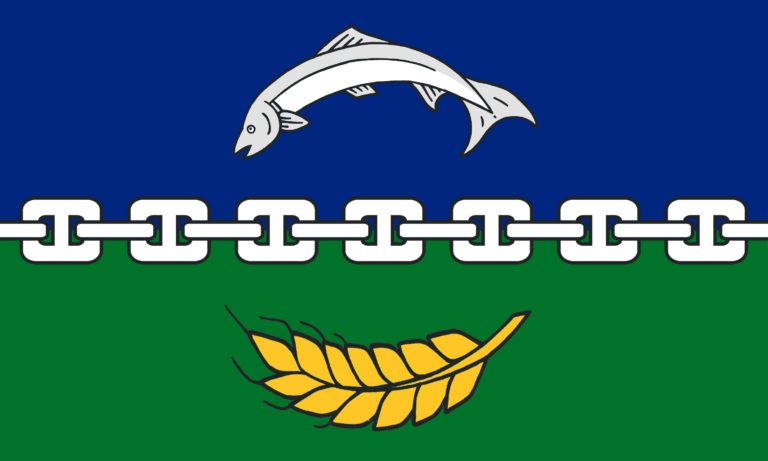
Brecknockshire, or Breconshire, is an inland county in mid-Wales.
Its northern border follows the River Wye (Afon Gwy), along which lie the market town of Builth Wells (Llanfair-ym-Muallt) and the book town of Hay on Wye (Y Gelli Gandryll).
The Cambrian Mountains (Mynyddoedd Cambria) rise in the north-west, while south, in the River Irfon (Afon Irfon) valley, sits the spa town of Llanwrtyd Wells.
Beyond this lies the extensive plateau of the Mynydd Epynt. The River Usk (Afon Wysg) flows eastwards through the central valley, with Brecon (Aberhonddu) hosting Brecon Cathedral and the Shire Hall. In Crickhowell (Crucywel), the Usk passes beneath an elegant 17th-century bridge.
The Brecon Beacons National Park stretches across the south, encompassing the Black Mountain range (Y Mynydd Du) in the west, the former royal hunting ground of Fforest Fawr, the Beacons themselves, and, east of the Usk Valley, the Black Mountains (Y Mynyddoedd Duon).
Towns at the junction of the Beacons and the Heads of the Valleys — Rassau, Beaufort, Brynmawr, Clydach, and Gilwern — grew from ironmaking. Cefn-coed-y-cymmer lies at the head of the Taff Vale (Dyffryn Taf), while Ystradgynlais sits on the River Tawe (Afon Tawe) in the shadow of the Black Mountain.

Buckinghamshire
County of Buckingham
County Day 29 July
✨ By 918: ‘Buccingahamscire’
👑 Created: Edward the Elder
🏰 Buckingham: fortified town
🖋️ Domesday: Bochehamscire
A frontier shire, born in the struggle with the Danes. ⚔️🏞️
Read More
Buckinghamshire is an inland county in the south of England, with the River Thames forming its southern boundary.
Along the river are the charming villages of Datchet, Eton, and Taplow, while Slough and its suburbs form a significant urban area.
To the north lies the semi-ancient woodland of Burnham Beeches, with Gerrards Cross and Beaconsfield just beyond.
The Chiltern Hills sweep north-west across the county, with beech woods in the west rising to the higher, windswept terrain around Ivinghoe Beacon, dotted with picturesque flint and thatch villages.
The market towns of Amersham and High Wycombe lie amidst the Chilterns.
The Vale of Aylesbury, a large flat area in the county’s centre, hosts Aylesbury, a market town since Saxon times, and Buckingham, with its historic marketplace.
In the north-east, Milton Keynes, a 1960s new town, stretches across the landscape.
Bletchley was the site of Britain’s wartime codebreaking operations, while in the far north-east, Olney is famed for its ancient Pancake Race.

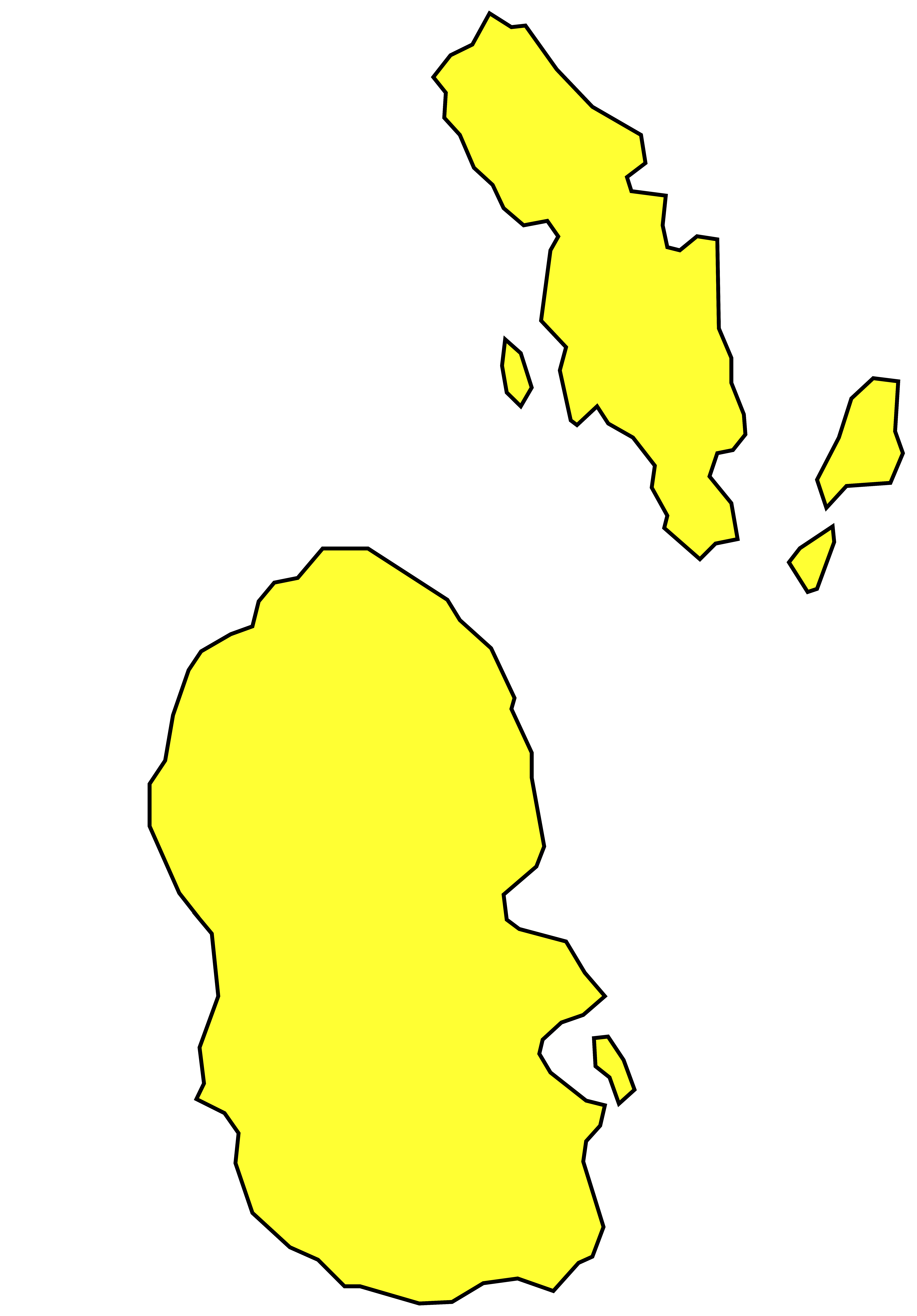
Buteshire
Siorrachd Bhùth
County of Bute
✨ Centred on the Isle of Bute
👑 Sheriffdom by 13th century
🏰 Rothesay is county town
🖋️ Medieval charters = ‘Bute’
A small island county with royal and maritime ties. ⚓🏝️
Read More
Buteshire is a county made up of islands in the Firth of Clyde (Firth Chluaidh).
The Isle of Bute (Eilean Bhùth) lies just off the Cowal peninsula of Argyllshire.
On its east coast is the small port of Rothesay (Rothesay) and Mount Stuart House, the ancestral home of the Marquesses of Bute, an impressive neo-Gothic mansion.
The west coast of Bute is known for its sandy beaches and scenic coastline.
To the south lies the Isle of Arran (Eilean Arainn), a mountainous island of wild, beautiful scenery, sparsely populated.
Arran is rich in Neolithic remains, including six stone circles on Machrie Moor. Holy Isle (Eilean MoLaise), within Lamlash Bay (Bàgh Lamlash), has a long history as a sacred site, with a holy well and the cave of the 6th-century hermit St Molaise.
East of Bute lie the Cumbraes, with Great Cumbrae (An Cumar Mòr) hosting Millport (Baile a’ Mhuilinn) on its southern coast.
Little Cumbrae (An Cumar Beag) is a small, rocky island, notable for the Cumbrae Lighthouse, built in 1793.

Caernarfonshire
Sir Gaernarfon
County Day 28 November
✨ Coastal and mountainous
👑 Became county in 1284
🏰 Caernarfon Castle = centre
🖋️ Caernarfon = Arfon-fort
A county of castles, mountains and princes. 🏰🐉
Read More
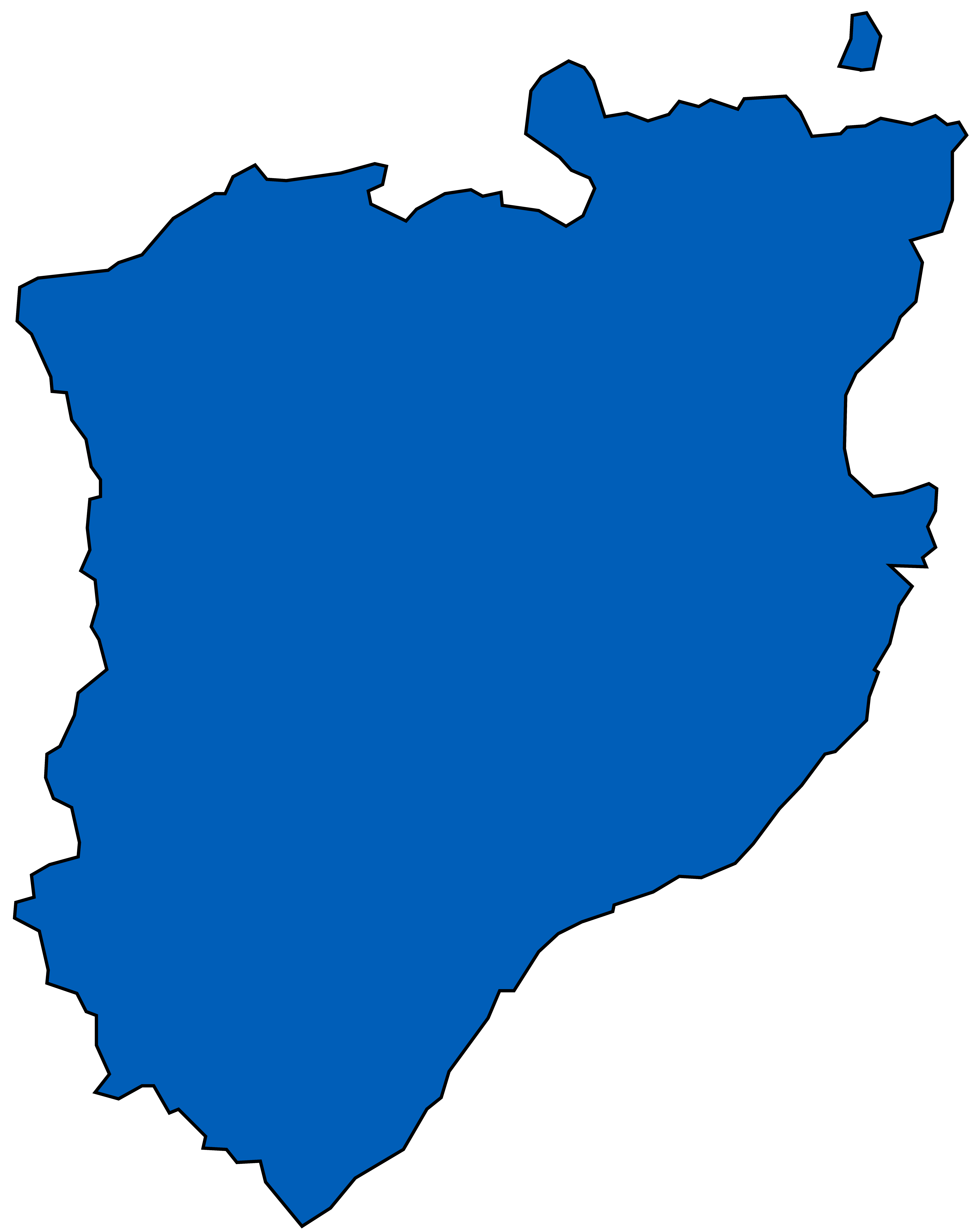
Caernarfonshire is a maritime county in north-west Wales, dominated by the rugged heights of Snowdonia (Yr Eryri), with Snowdon (Yr Wyddfa) standing as the highest mountain in Wales.
To the north of Snowdonia lies the ancient district of Arfon, a stretch of rolling lowlands running down to the Menai Straits (Afon Menai). Here stands Caernarfon, with its castle overlooking the tidal waters of the straits, and the city of Bangor, whose cathedral has been a site of worship since the 6th century.
The River Conwy (Afon Conwy) forms most of the county’s eastern boundary. At its mouth, the town of Conwy features a castle and town walls built by King Edward I.
Across the river lies the seaside resort of Llandudno, dominated by the Great Orme headland jutting into the Irish Sea. To the west of Snowdonia stretches the Lleyn Peninsula (Penrhyn Llŷn), a region of timeless coastal and rural beauty.
Caithness
Gallaibh
County of Caithness
✨ Norse: ‘headland of cats’
👑 Norse then Scottish rule
🏰 Castles line its coasts
🖋️ Medieval records = ‘Catnes’
A northern county of Norse earls and rugged shores. 🌊⚔️
Read More
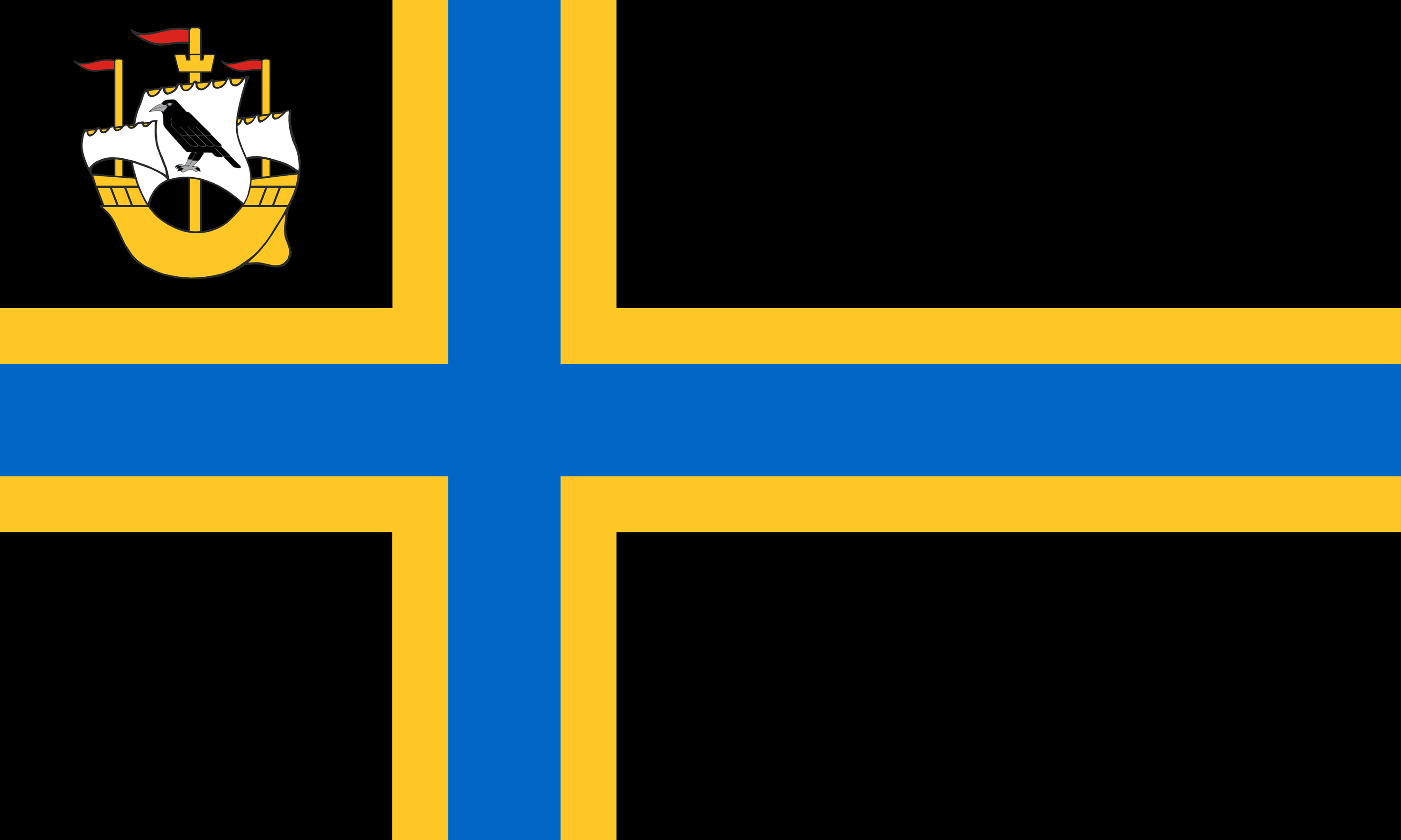

Caithness is the northernmost county of mainland Great Britain, bordered only by Sutherland (Cataibh) and the sea, lying beyond the Highlands.
The county is characterised by open, rolling farmland, moorland, and scattered settlements, with dramatic coastal scenery home to large seabird colonies. Much of the interior is dominated by open moorland and blanket bog, known as the Flow Country.
Wick (Inbhir Ùige) has a wide harbour opening onto the North Sea, while the ruined Castle of Old Wick lies further south on the coast. Thurso (Inbhir Theòrsa), on the north coast, was once an important Norse port.
Caithness contains the traditional north-eastern extremity of Great Britain at John O’Groats, as well as the northernmost point, Dunnet Head. The landscape is also rich in prehistoric remains, reflecting the county’s long human history.
Cambridgeshire
County of Cambridge
Cambs
✨ c.1010 = Grantabrycgscir
👑 Shire by early 10th century
🏰 ‘Bridging the River Cam’
🖋️ 1086: ‘Grentebrigescire’
County of scholars & Saxons, with learning at its heart. 📚🌾
Read More
Cambridgeshire is an inland county of East Anglia. Its southern part is dominated by the city of Cambridge, home to the ancient university.
The city’s beautiful medieval colleges line historic streets, while their picturesque “backs” look out onto the banks of the River Cam (Afon Cam).
South of Cambridge, the landscape is agricultural, dotted with small villages and drained by the Rivers Grant and Rhee. The Gog Magog Hills rise as the county’s highest features.
In the north lies the Isle of Ely, a flat and fertile region reclaimed from the Great Fen by centuries of human labour.
Ely (Elfed) stands above the fens, with Ely Cathedral, the “Ship of the Fens,” visible for miles across the level landscape.
Beyond Ely, the Fenland market towns of Whittlesey, March, and Chatteris mark the northern reaches, while Wisbech (Gwisbech) is notable for its unspoilt Georgian architecture.

Cardiganshire
Sir Aberteifi/Ceredigion
County of Cardigan
✨ Welsh 5th century kingdom
👑 County established in 1284
🏰 Aberystwyth = chief town
🖋️ Cardigan gives alt name
A coastal county of scholars, saints and sea. 📜🌊
Read More
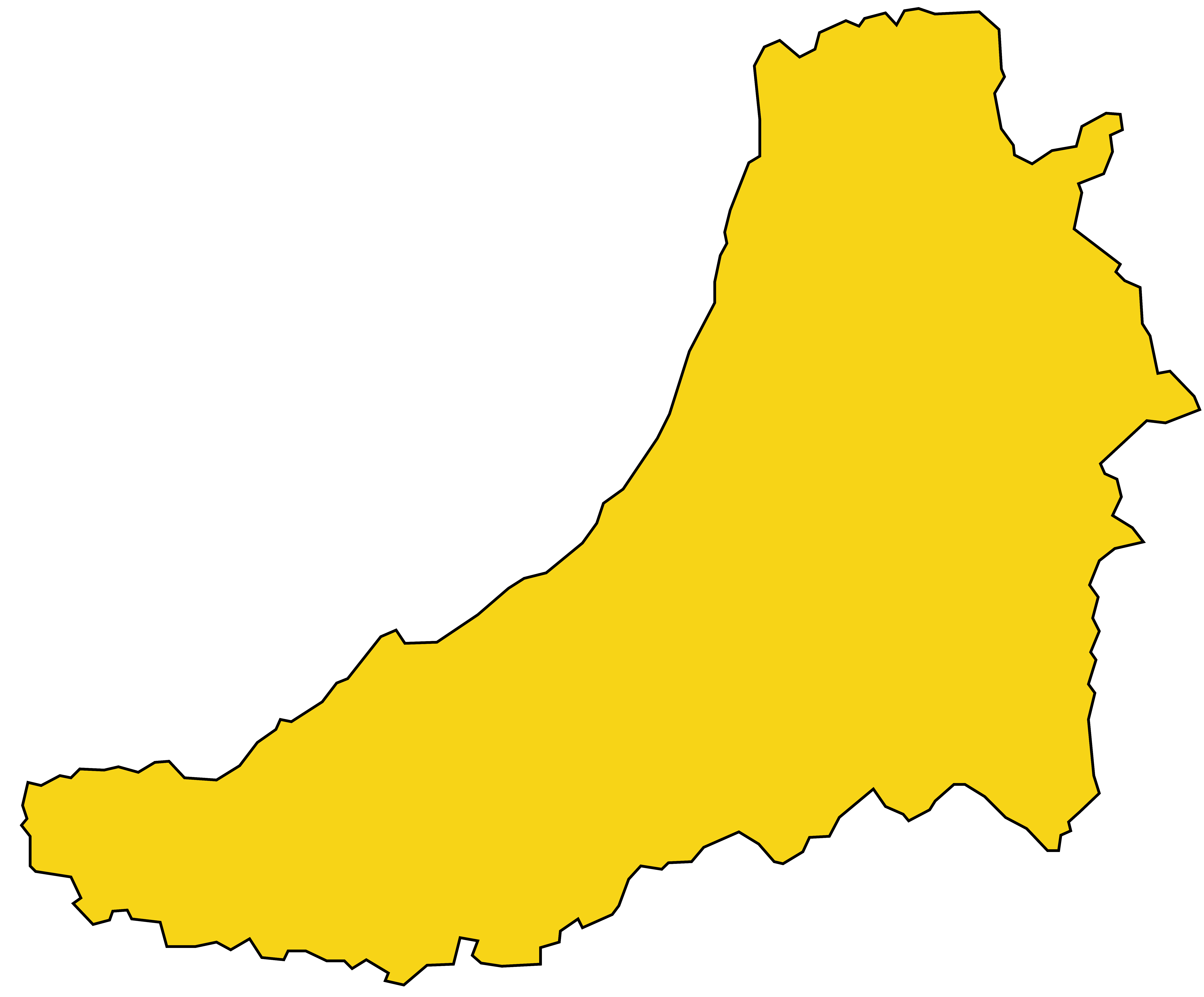
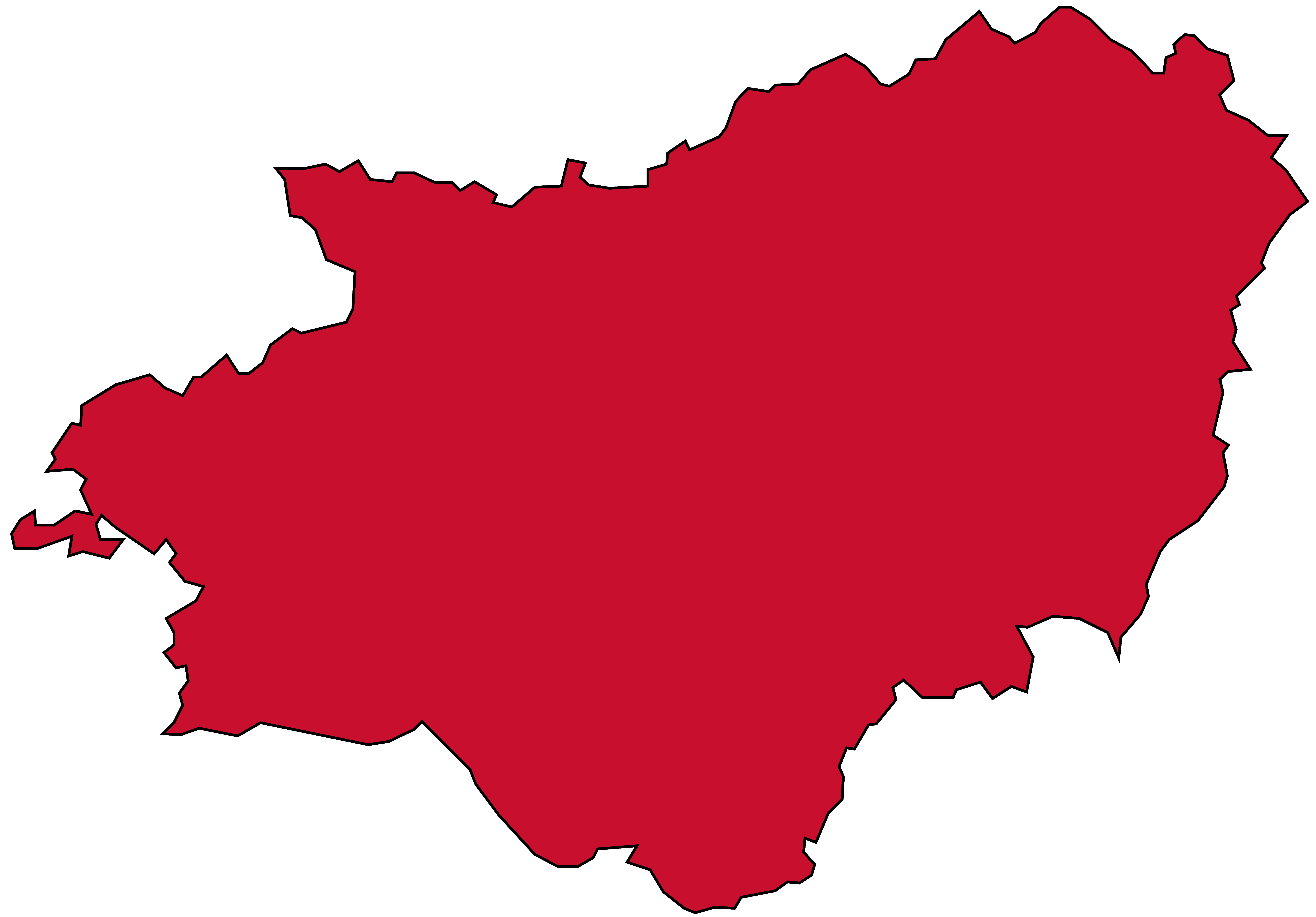
Cardiganshire (Sir Aberteifi or Ceredigion) is a maritime county in west Wales, lying along Cardigan Bay (Bae Ceredigion).
The coastline alternates between gentle sandy beaches and dramatic sea cliffs, with resort towns such as Aberporth, Aberaeron, New Quay (Ceinewydd), and Borth (Y Borth), as well as the university town of Aberystwyth (Aberystwyth).
Inland, the county rises into gentle farmland before ascending to the striking western slopes of the Cambrian Mountains (Mynyddoedd Cambria).
The River Teifi (Afon Teifi) forms most of the southern boundary, with the university town of Lampeter (Llanbedr Pont Steffan) and Cardigan (Aberteifi), once a significant seaport before the Teifi silted up, lying along its banks.
The river flows past the scenic ruins of Strata Florida Abbey (Abaty Ystrad Fflur). Tregaron (Tregaron) is the only town in the county’s interior, set amid the rolling countryside.
Carmarthenshire
Sir Gaerfyrddin
County of Carmarthen
✨ Early roots in Ystrad Tywi
👑 Formalised as county 1284
🏰 Carmarthen = ancient town
🖋️ Came into existence 1270s
A county of castles, saints and rivers. ⛪🏞️
Read More
Carmarthenshire (Sir Gaerfyrddin) is a maritime county in south-west Wales, celebrated for its fertile land and agricultural richness, earning it the nickname the “Garden of Wales.”
Its coastline sweeps around Carmarthen Bay (Bae Caerfyrddin), where gentle fields meet broad sandy beaches, including the seven-mile stretch of Pendine Sands (Traeth Pen-Din).
The southern part of the county is low-lying and pastoral, while the north and east rise into mountainous terrain.
Carmarthen (Caerfyrddin), possibly the oldest town in Wales, grew around a Roman fort dating from around AD 75.
The largest town, Llanelli (Llanelly), lies on the Loughor (Afon Llwchwr) estuary. Laugharne (Talacharn), on the River Tâf (Afon Taf), is famed for its association with Dylan Thomas, while Newcastle Emlyn (Castell Newydd Emlyn), with its ruined castle, sits tucked in a meander of the River Teifi (Afon Teifi).
In 930, Hywel Dda convened his assembly at Whitland (Hendy-gwyn) to codify the Welsh laws, a landmark moment in the county’s history.

Cheshire
County of Chester
County Day 30 March
✨ First named in 980
👑 Created c.920 by Edward E
🏰 1000s: Ceaster; Ceasterscir
🖋️ Domesday Book: Cestrescir
Over a thousand years of history in its name. 🌾💙
Read More
Cheshire is a maritime county in north-west England, much of it lying within the broad Cheshire Plain, which stretches from the Mersey to the Shropshire Hills, and from the Welsh Hills to the Peak District.
The plain is rich in oak woodlands and dotted with small lakes, known locally as meres. The Wirral Peninsula, separating the Dee and the Mersey, includes the historic port of Birkenhead. Chester, a Roman city, stands on the Dee near the Flintshire border.
Along Cheshire’s northern border with Lancashire, the rivers Mersey and Tame flow past numerous industrial and suburban towns, including Altrincham, Sale, Stockport, and Stalybridge.
In the north-east, the famous Cheshire “panhandle” stretches between Yorkshire and Derbyshire.
Around Nantwich, Northwich, and Middlewich, salt mining has been carried out since Roman times.
The county also boasts many historic towns, such as Knutsford, Wilmslow, Alderley Edge, Macclesfield, Congleton, and Crewe.

Clackmannanshire
Siorrachd Chlach Mhanainn
County of Clackmannan
✨ Clach Mhanainn
👑 Shire by 14th century
🏰 Alloa = county town
🖋️ Smallest shire of all
A tiny county with a mighty history. 🪨🏰
Read More
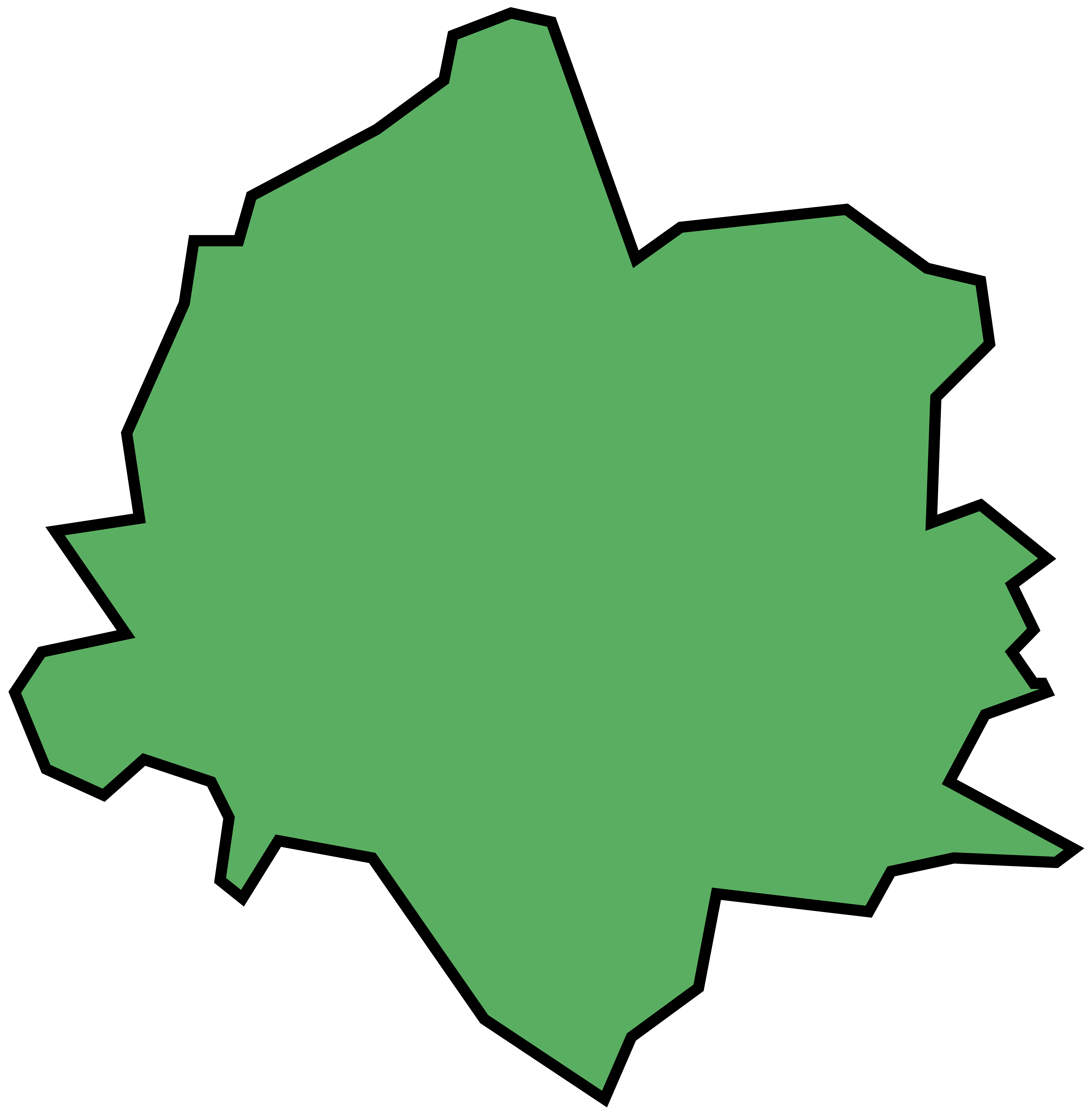
Clackmannanshire lies on the north bank of the River Forth (Abhainn Foirthe) and is Britain’s smallest county, affectionately known as “The Wee County.”
It is a rural region of farms and small settlements. To the north rise the Ochil Hills (Am Monadh Ochil), dominated by Castle Campbell, dramatically perched above the Dollar Glen.
At the base of the hills, Alva and Tillicoultry (Tulach Cultraidh) developed as textile towns.
The River Devon (Abhainn Dèamhain) flows through romantic countryside, noted for its excellent trout fishing.
South of the Devon, the land is low-lying, with small towns and pockets of industry. The county’s largest town, Alloa (Allmhagh), once a major port, sits on the Forth, with Alloa Tower among Scotland’s largest and earliest tower houses.
Clackmannan (Clach Mhanainn) takes its name from the Stone of Mannan, a pre-Christian monument at the heart of the town.

Cornwall
Kernow
County Day 5 March
✨ Land of the Cornovii
👑 Separate kingdom until 9C
🏰 Became a shire c.890s
🖋️ Domesday Book: Cornvalia
A Celtic land with a spirit all its own. 🌊🐚🐉
Read More
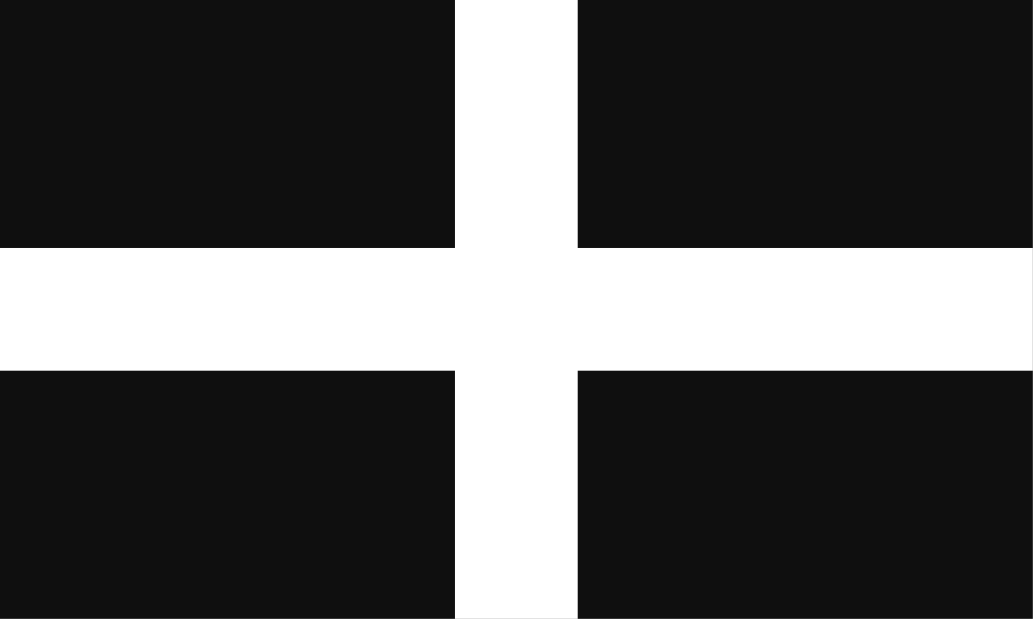
Cornwall forms the south-west peninsula of Great Britain and is a county of striking maritime landscapes that have inspired poets, novelists, and artists for centuries.
The north coast is dramatic, with plunging cliffs and rocky headlands, broken by fine sandy beaches in sheltered bays.
Tintagel is steeped in Arthurian legend, while Port Isaac offers a picturesque harbour. Dolphins are often seen from Polzeath, with its vast beach, and Padstow remains a working fishing port. Newquay is renowned for surfing.
The far west includes the Penwith Peninsula, home to the port town of Penzance and Land’s End itself.
Cornwall’s south coast features long, twisting creeks ideal for tidal navigation, historically favoured by smugglers.
Looe is a charming fishing port, Fowey has thrived as a port for centuries, and Falmouth is celebrated for its deep-water harbour. The Lizard Peninsula juts into the sea where the English Channel meets the Atlantic.
Inland, Cornwall’s moors and hills are dotted with prehistoric dolmens, monoliths, and stone circles. Truro, the county town, charms with cobbled streets and a Gothic Revival cathedral.
Cromartyshire
Siorrachd Chròmbaidh
County of Cromarty
✨ Once Norse-Gaelic territory
👑 County from 17th century
🏰 Cromarty = key harbour
🖋️ ‘Cromartie-shire’ in 1600s
Highland county of firths, fishing villages, castles. 🌊🏔️
Read More
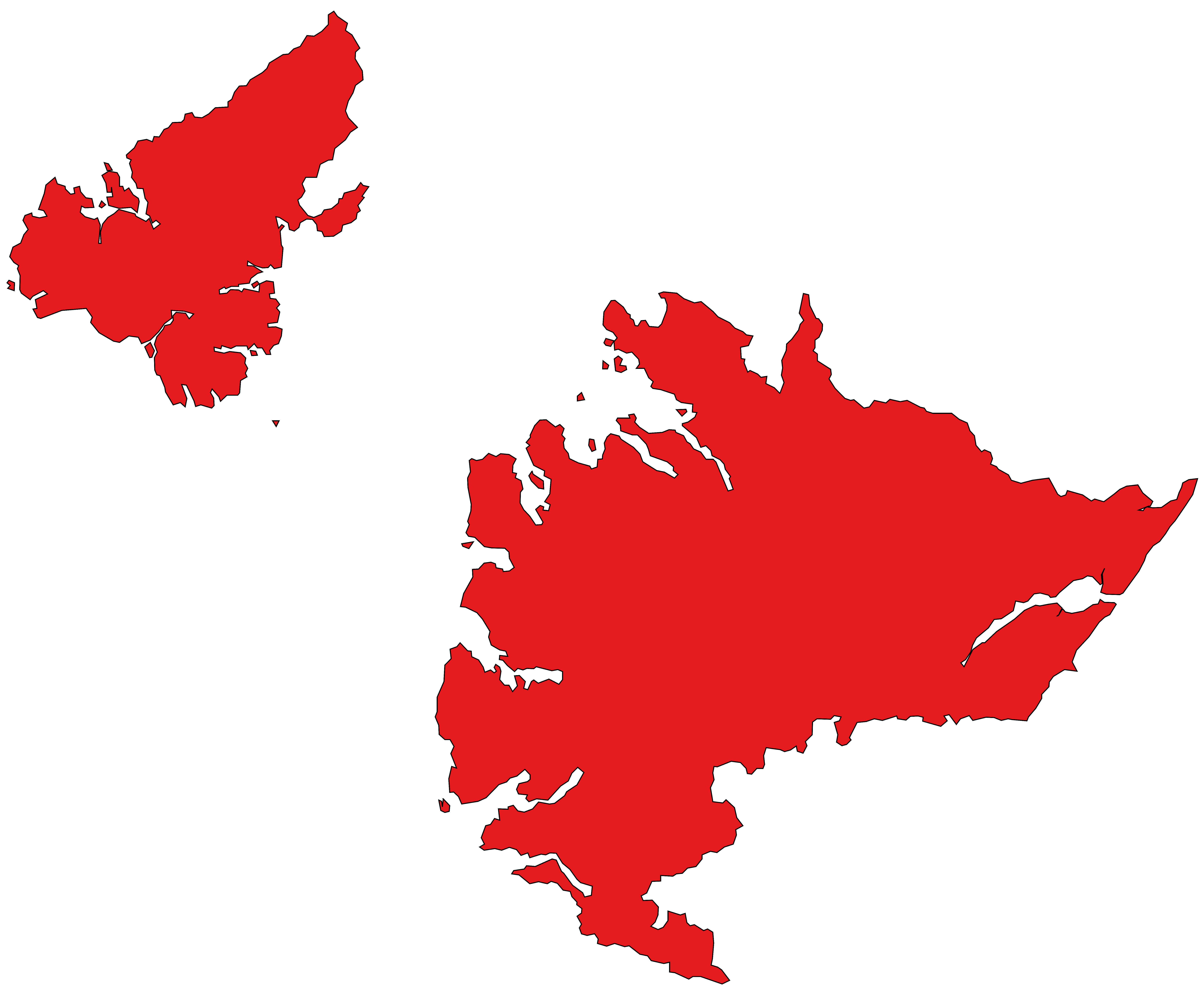
Cromartyshire is a Highland county of highly unusual form. The medieval “old shire” was a hereditary sheriffdom on the Black Isle (An t-Eilean Dubh) peninsula on the Moray Firth (Cuan Mhoireibh), including the historic port of Cromarty (Crombaidh) itself.
In the late 17th century, Viscount Tarbat extended his sheriffdom to include his family’s scattered lands, creating a county made up of numerous small parts across Ross-shire (Ros), stretching from the east to the west coast.
The largest section is the district of Coigach (Coigeach) on the Atlantic coast, centred around the fishing village of Ullapool (Ulapul), an area of stark and astonishing natural beauty.
Off the Coigach coast lie the Summer Isles (Na h-Eileanan Samhraidh). The Victorian spa resort of Strathpeffer (Srath Pheofhair) is the county’s only other sizeable settlement.
Geographically and administratively, Cromartyshire has long been treated together with Ross-shire.
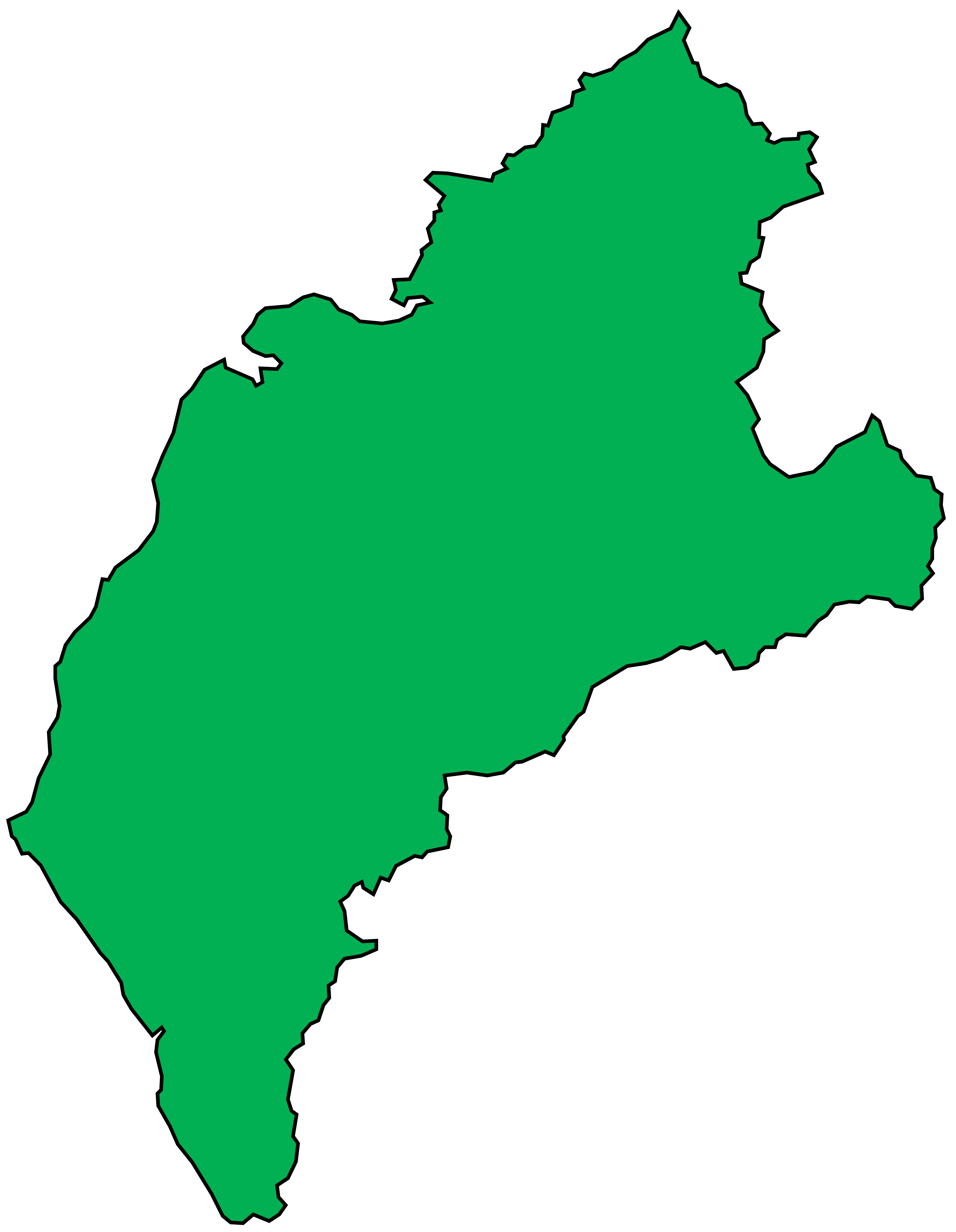
Cumberland
County of Cumberland
County Day 24 September
✨ Land of the Cymry
👑 Established 1177
🏰 Frontier v Scots/Norse
🖋️ Scottish rule pre-12thC
A border county of mountains and warriors. 🏔️⚔️
Read More
Cumberland is a maritime county in north-west England. Its south and east are dominated by the Lake District, with dramatic fells and shimmering lakes.
Derwent Water, Buttermere, Crummock Water, Ennerdale Water, Wast Water, and part of Ullswater lie within the county, overlooked by mountains including Scafell Pike, England’s highest peak.
The Castlerigg Stone Circle is set dramatically with panoramic views, close to the tourist town of Keswick.
West of the fells lies Cumberland’s coastal plain, home to the port towns of Whitehaven, Workington, Maryport, and Silloth.
The broad, green Eden Valley runs across the east, with Penrith near the Westmorland border.
The cathedral city of Carlisle stands in the north, with the Solway Plain extending to the county’s northern edge.
Hadrian’s Wall stretches from Bowness-on-Solway across the northern part of the county, marking its historic frontier.

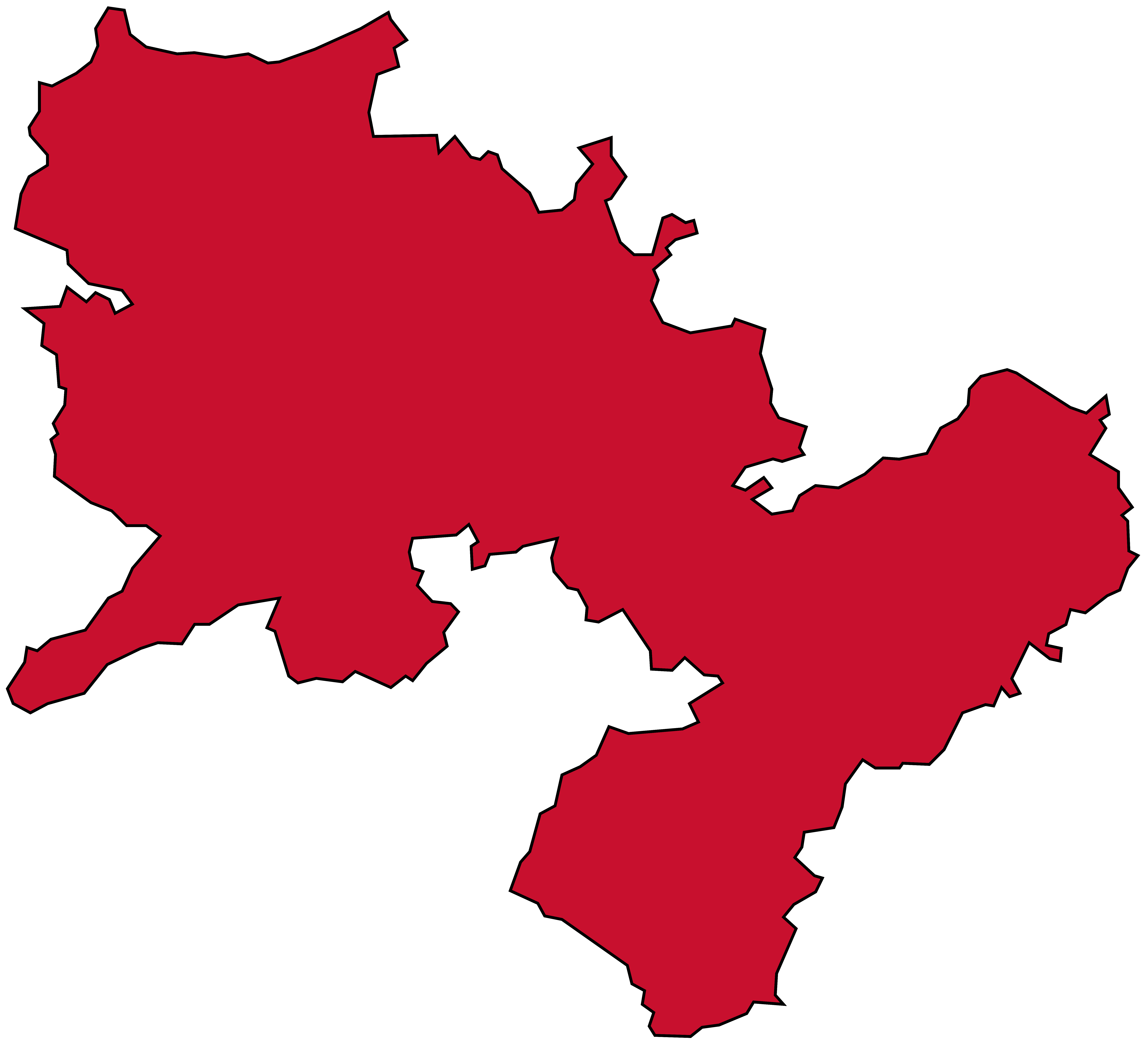
Denbighshire
Sir Ddinbych
County of Denbigh
✨ Lands of Perfeddwlad
👑 County established in 1536
🏰 Denbigh and Ruthin
🖋️ Ancient ‘Denbighland’
A borderland county of hills and history. 🏞️⚔️
Read More
Denbighshire is a maritime county in north Wales, with a gentle, sandy coastline along the Irish Sea (Môr Iwerddon).
Holiday resorts line the shore, including Rhos-on-Sea (Rhos-on-Sea), Colwyn Bay (Bae Colwyn), Old Colwyn (Hen Golwyn), Towyn (Towyn), and Kinmel Bay (Bae Cinmel). Abergele grew from an old Roman trading settlement.
The south and west of the county rise into the high mountains of the Cambrian Range (Mynyddoedd Cambria).
The River Conwy (Afon Conwy) forms much of the western boundary, while the fertile Vale of Clwyd (Dyffryn Clwyd) stretches across the east. Within it lie the market towns of Denbigh (Dinbych), with its castle built for Edward I, and Ruthin (Rhuthun), noted for its 15th-century Old Courthouse.
To the east, the Clwydian Hills (Mynyddoedd Clwyd) form the border with Flintshire.
The south-western uplands reach to Cadair Berwyn, the county top on the Merionethshire border, and to Wrexham (Wrecsam), the largest town, with St Giles’ Church and its iconic 16th-century tower.
Between these, Llangollen is famed for its 16th-century bridge over the River Dee (Afon Dyfrdwy).
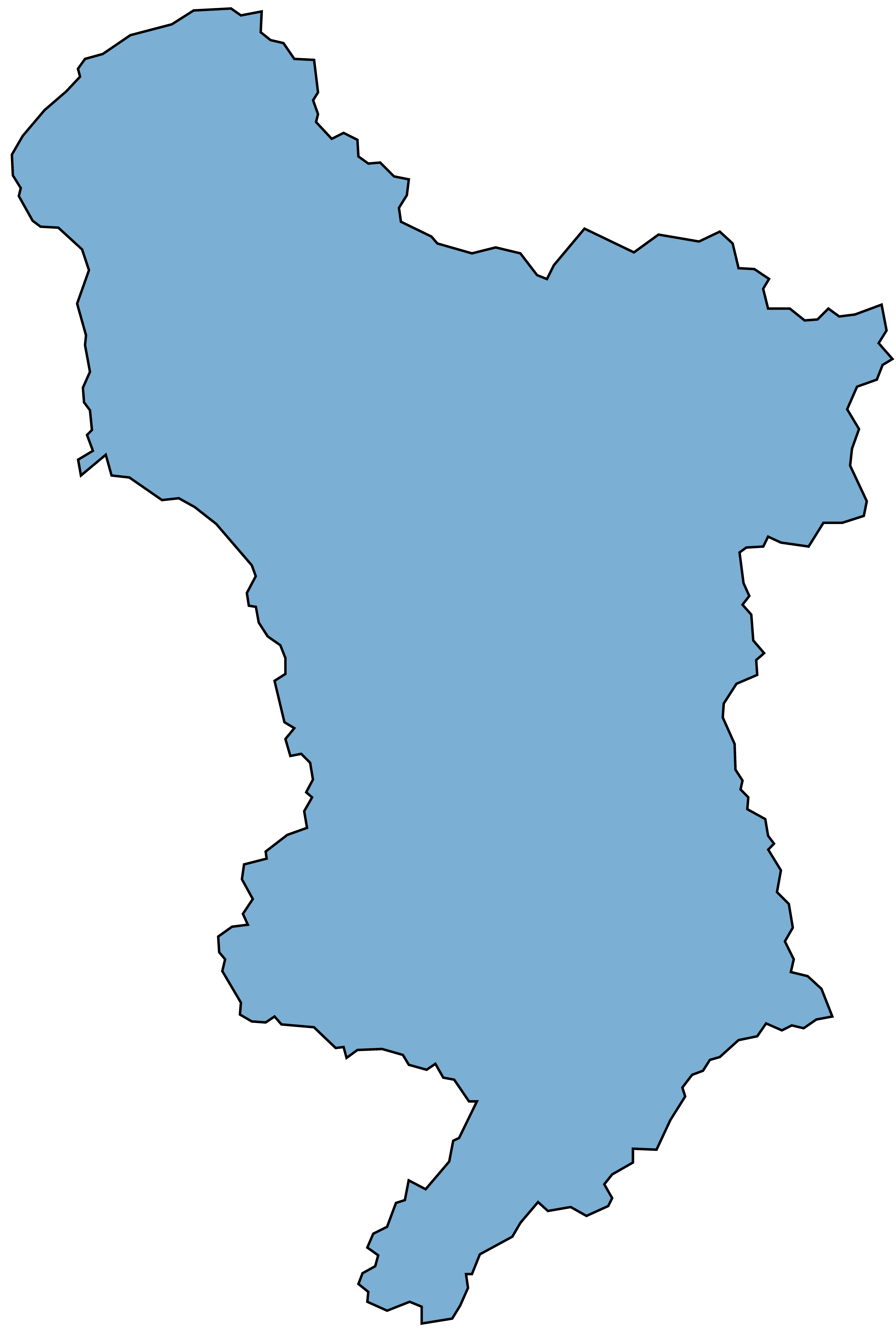
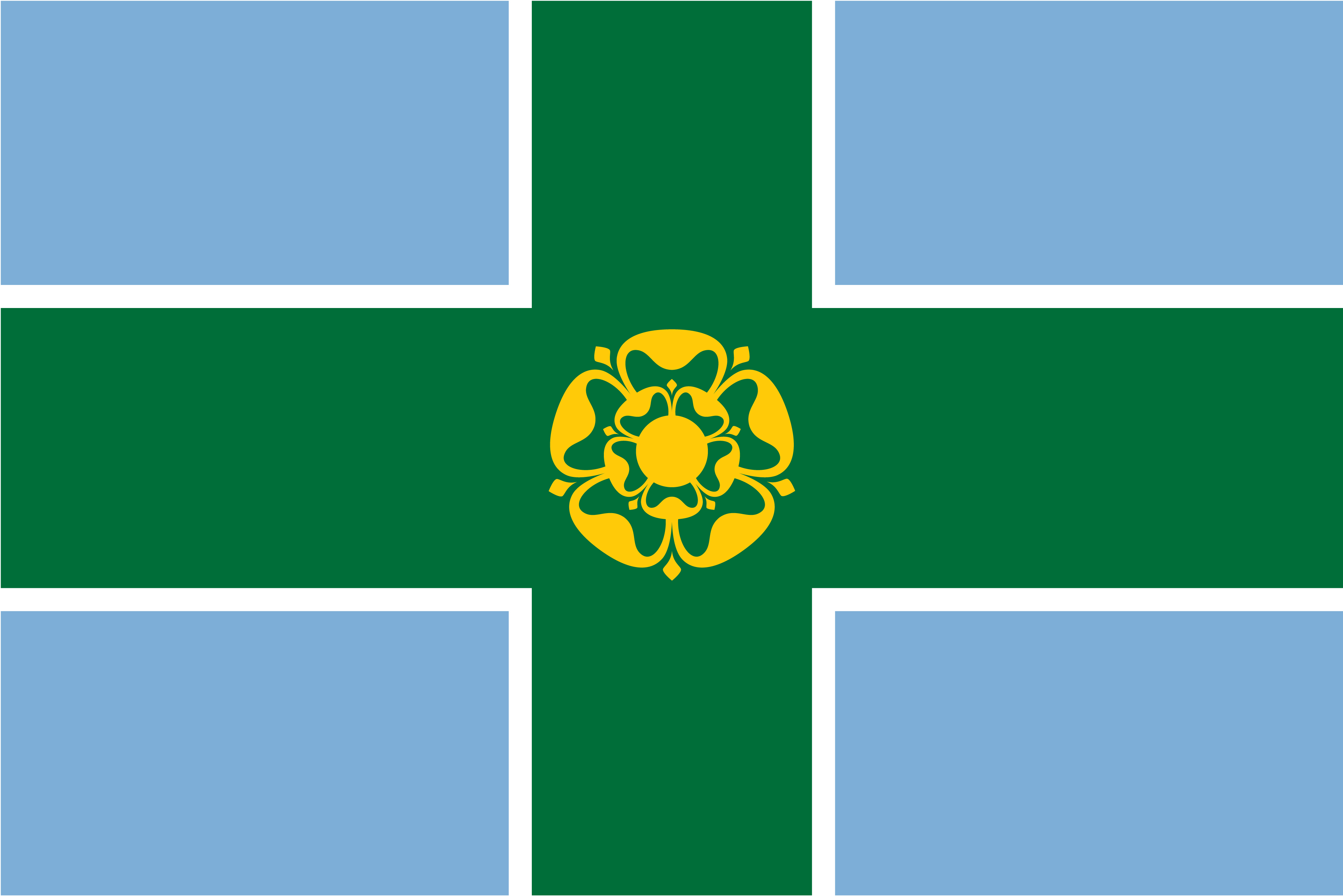
Derbyshire
County of Derby
County Day 22 September
✨ c.1048 = ‘Derbyscir’
👑 Created in 10th century
🏰 Centred on Danish Derby
🖋️ Domesday: Derbyscire
A county forged where Saxon and Dane once met. 🐏⚒️
Read More
Derbyshire is an inland county in the Midlands, traversed almost its entire length by the River Derwent (River Derwent).
From Derby to Matlock, the Derwent Valley was a cradle of the Industrial Revolution, hosting the first industrial-scale cotton mills.
Derby, with Roman origins, expanded rapidly during the industrial era. South of Derby, the county is largely rural, while to the north, Matlock Bath developed as a Victorian spa resort.
East of the city, along the Rivers Amber and Erewash, lie towns shaped by mining and industry, including Long Eaton, Ilkeston, Heanor, Ripley, Belper, and Alfreton.
West of Derby stretches a pastoral plateau, the South Derbyshire Claylands, rising toward the Peak District (Derbyshire Peak District). Ashbourne is renowned for its Shrovetide Football Match.
The Peak District in the north-west is celebrated for its natural beauty, popular for hiking, cycling, climbing, and caving.
Buxton retains its Victorian charm, while Bakewell is famous for its pudding. Nearby lie the grand estates of Chatsworth House and Haddon Hall.
In the north-east, towns such as Chesterfield and Bolsover reflect the area’s industrial and mining heritage.

Devonshire
County of Devon
County Day 4 June
✨ Land of the Dumnonii
👑 ‘Defenascir’ by 9th century
🏰 c.820s joined Wessex
🖋️ Domesday: Devenschire
A Celtic shoreland turned shire of England. 🌊🐟
Read More
Devon is a maritime county in the West Country of England, bounded by both the Bristol Channel and the English Channel.
Its southern coast is particularly scenic, rugged between Thurlestone and Salcombe, with a network of craggy tidal creeks reaching inland. Tor Bay, facing east into the Channel, hosts the seaside resorts of Torquay and Paignton.
Inland, much of southern Devon is dominated by Dartmoor, a bleak yet picturesque granite hill country. Tavistock, known as the Queen of Dartmoor, is a fine granite-built town on the River Tavy (Afon Tavy).
Exeter sits on the River Exe, blending medieval charm with modern development, while Plymouth has been a major naval port since the reign of Elizabeth I.
The north and east of the county are characterised by rolling agricultural land, especially along the Exe and Culm Valleys.
Devon’s northern coastline is striking, with steep, wooded cliffs between Lynmouth and Ilfracombe, while beyond the Taw and Torridge estuaries, the coast continues to offer spectacular scenery, including Clovelly, a village famed for its picturesque charm.

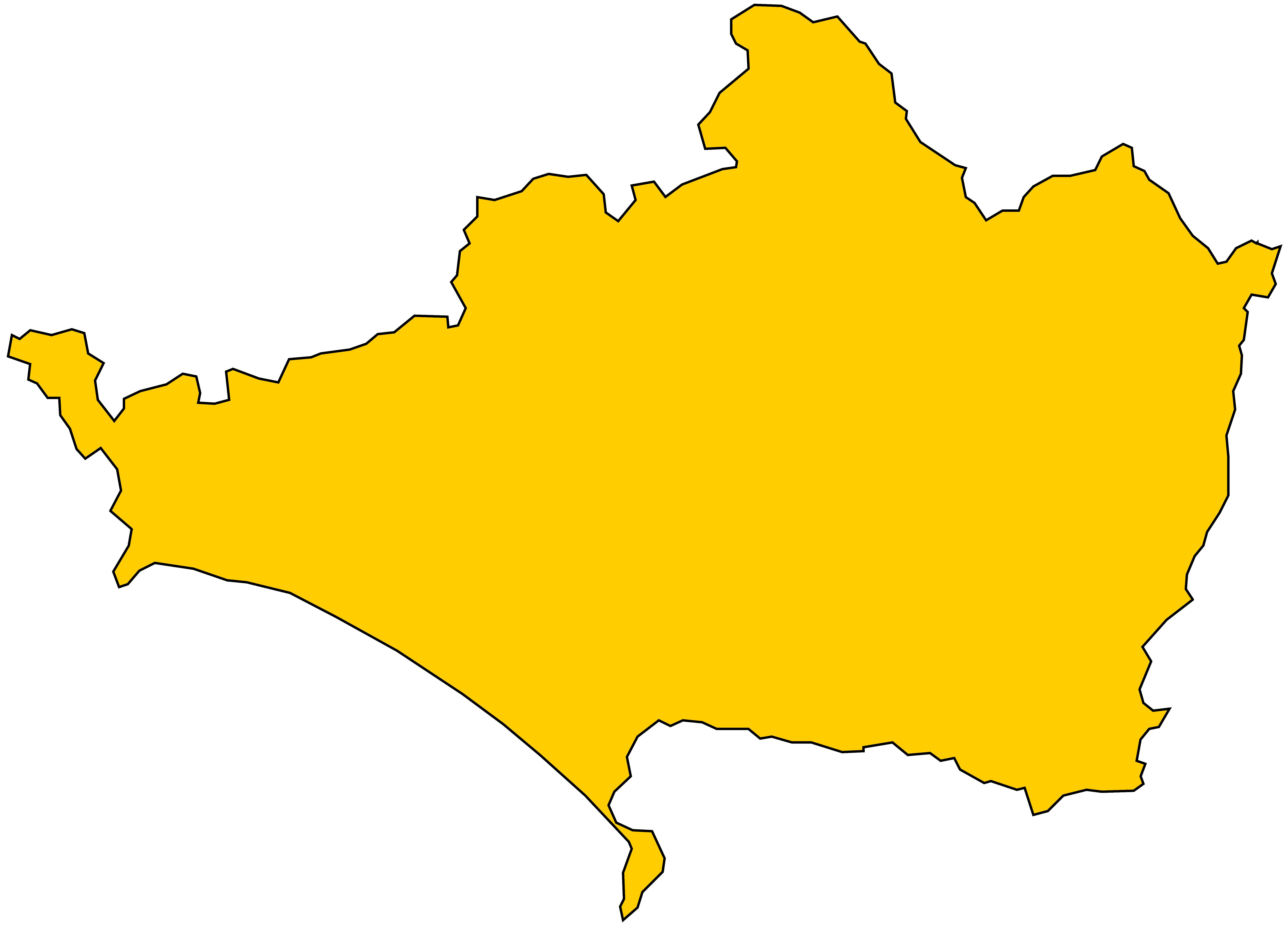
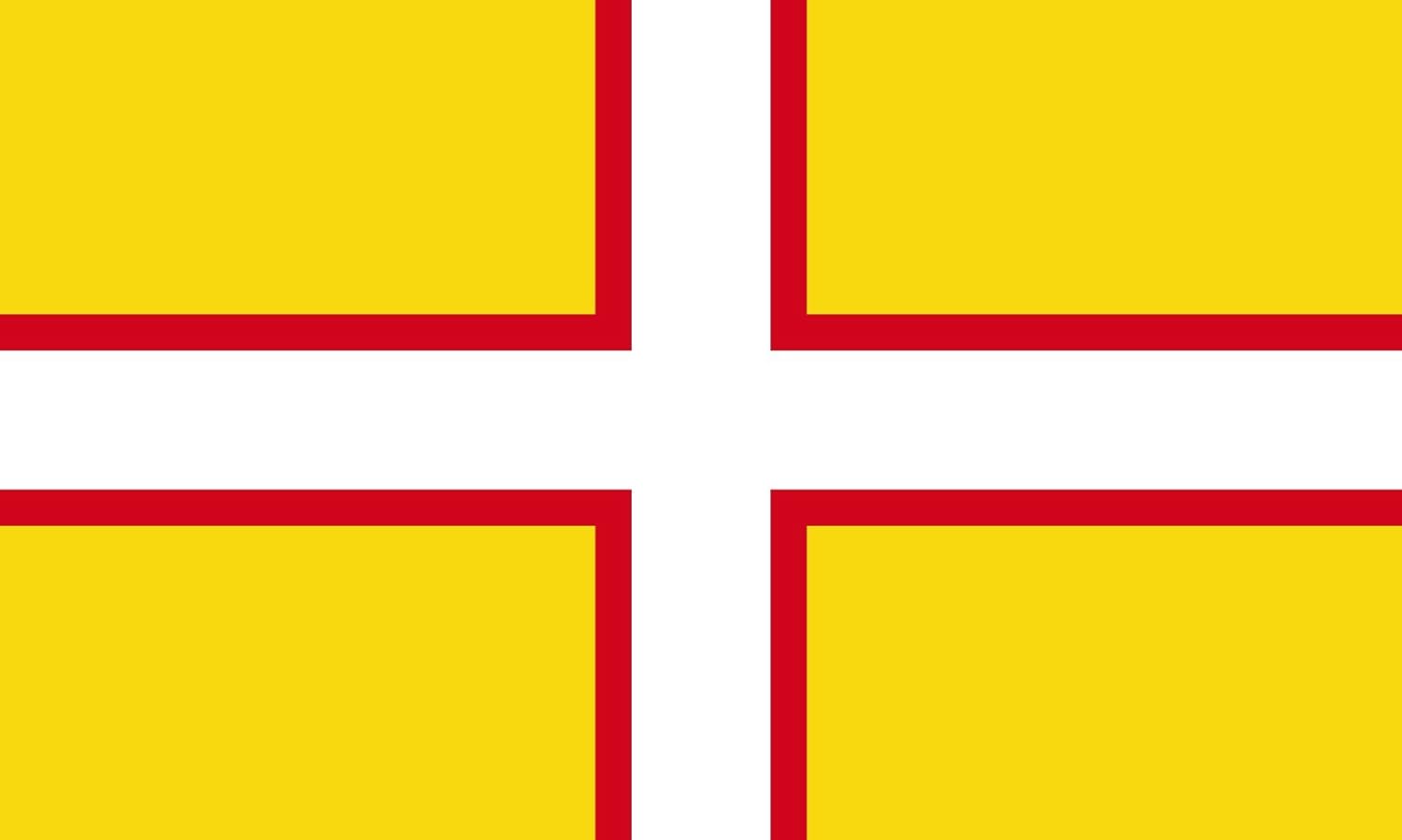
Dorsetshire
County of Dorset
County Day 1 June
✨ Dornsǣt: “dwellers of Dorn”
👑 Wessex shire by 8th cent
🏰 Dorchester: Roman & Saxon
🖋️ Domesday: Dornescire
A county of chalk downs, ancient hillforts, coast. 🏖️🐚
Read More
Dorset is a maritime county on England’s south coast, renowned for its extraordinary variety of landscapes.
Poole thrives thanks to Poole Harbour, a vast and deep natural harbour. To the south lies the broad Isle of Purbeck, home to the dramatic ruins of Corfe Castle, while Swanage is a popular seaside resort.
The county’s coastline, formed from Triassic, Jurassic, and Cretaceous cliffs, is recognised as a World Heritage Site.
South of Weymouth lies the Isle of Portland, linked to the mainland by the impressive Chesil Beach. At the far west of the county is Lyme Regis, often called “The Pearl of Dorset.”
The historic county town, Dorchester, sits north of Weymouth, and nearby Higher Brockhampton is the birthplace of Thomas Hardy.
In the county’s centre, the Dorset Downs rise, dotted with antiquities such as Maiden Castle and the Cerne Abbas Giant.
To the north-east, Cranborne Chase preserves numerous Neolithic and Bronze Age monuments. Shaftesbury Abbey, founded by Alfred in 888, and the Saxon town of Gillingham, in the Blackmore Vale, mark Dorset’s rich historical heritage.
Down
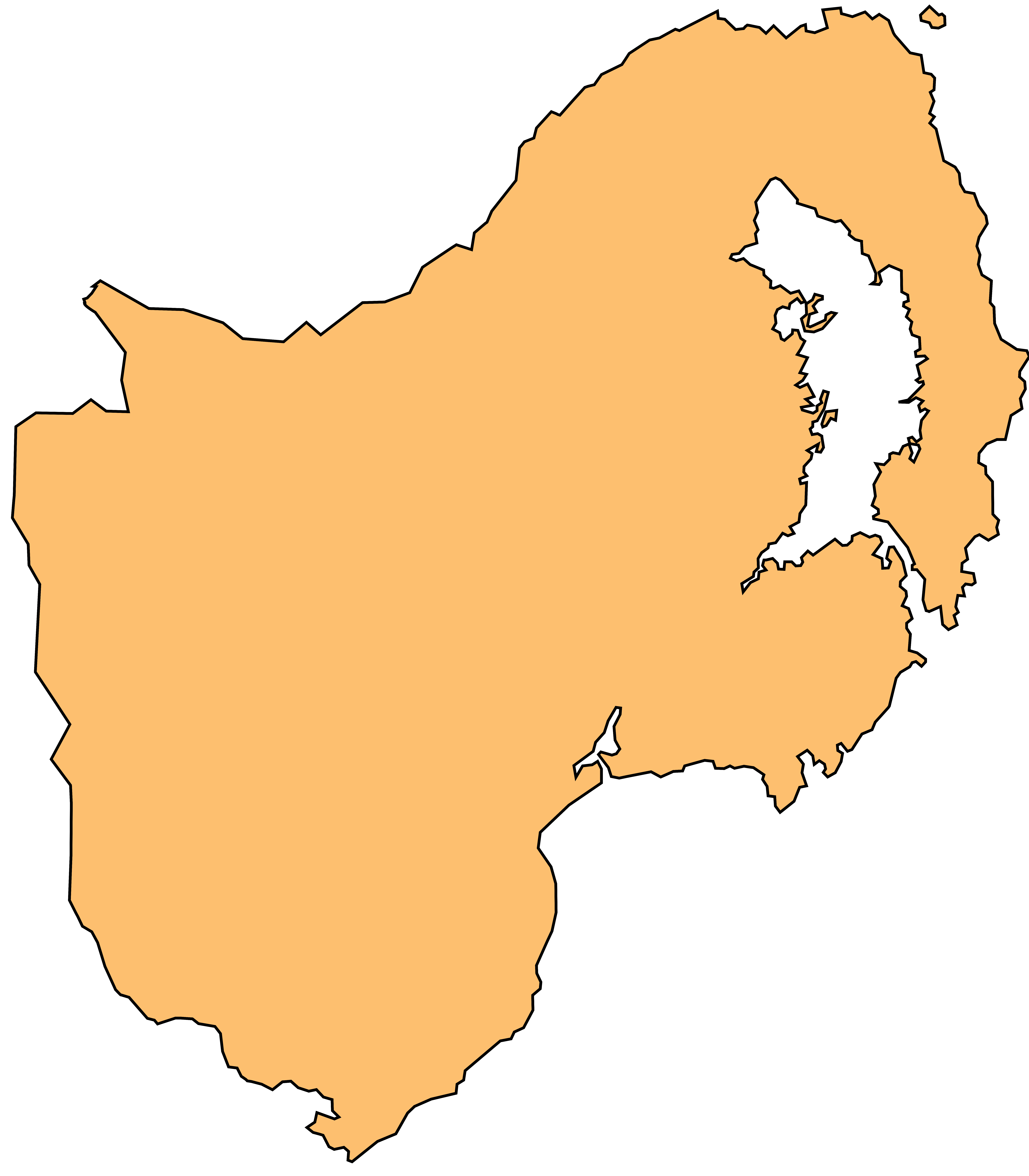
County Down
An Dún
✨ Dal Fiatach kingdom
👑 County by 12th century
🏰 Named for Downpatrick
🖋️ Records list it as Doun
A county of saints, castles and coasts. ⛪🌊
Read More
Down is a county on the east coast of Ulster (Ulaidh), stretching from the urban expanse of Belfast (Béal Feirste) and its southern suburbs to the wild Mourne Mountains (Sléibhte Múrna).
The Ards Peninsula curves around Strangford Lough (Loch Cuan an Strangford), bringing the sea deep into the heart of the county. The River Lagan (Abhainn an Lagáin), flowing into Belfast and forming part of the Antrim-Down border, defines the county’s northern edge.
The northern coast features genteel commuter towns such as Bangor (Beannchar) and Holywood (Ard Mhic Nasca), while the surrounding countryside remains largely agricultural.
In the south, the granite peaks of the Mournes descend to the sea at Newcastle (An Caisleán Nua) and along Carlingford Lough (Loch Chairlinn), marking the border with Louth.

Dumfriesshire
Siorrachd Dhùn Phris
County of Dumfries
✨ Ancient Brits, Norse-Gaels
👑 Sheriffdom by 12th century
🏰 Dumfries = royal burgh
🖋️ ‘Drumfres’ in charters
A Borders county of rivers, marches and castles. 🏰🌊
Read More
Dumfriesshire is a maritime county along the Solway Firth (Firh Solway), where rivers and lochs create a picturesque landscape that attracts anglers and nature lovers alike.
The county is shaped by three great valleys running south into the Firth. Eskdale, the easternmost valley, is rich in archaeological remains, including Neolithic stone circles such as the Loupin Stanes and the Girdle Stanes. Langholm is the traditional seat of Clan Armstrong.
Annandale has long served as the main route from Glasgow to the south, evidenced by its towns, old inns, and Roman forts.
Moffat grew as a spa town from 1633, while Lockerbie commemorates the victims of the UK’s worst terrorist attack.
Nithdale includes the towns of Sanquhar and Thornhill, and Drumlanrig Castle was once a stronghold of the ancient Douglas family.
The county town, Dumfries (Dùn Phris), known as the “Queen of the South,” retains the charm that led Robert Burns to make it his final home.

Dunbartonshire
Siorrachd Dhùn Breatainn
County of Dumbarton
✨ Dùn Bhreatainn
👑 Shire by 13th century
🏰 Dumbarton = fortress
🖋️ ‘Dunbritton’ in chronicles
A western county of rock, river and royal power. 🪨⚓
Read More
Dunbartonshire is a county in western Scotland, divided into two distinct areas.
The larger section stretches along the north shore of the Firth of Clyde (Firth Chluaidh) and extends northward between Loch Long (Loch Fhàil) and Loch Lomond (Loch Laomainn).
Loch Lomond itself is magnificent, running from the northern mountains down to Alexandria in the south. Overlooking the Firth, the Rock of Dumbarton (Cnoc Dhùn Breatainn) marks the seat of the old Kingdom of Strathclyde.
Clydebank grew from its wharfs and shipyards, serving the vast traffic of the Clyde, while Helensburgh is a charming seaside resort and home to Mackintosh’s villa, The Hill House.
The smaller eastern section of the county includes the post-war new town of Cumbernauld, with the Antonine Wall passing through Kirkintilloch, a reminder of the area’s Roman past.

Durham
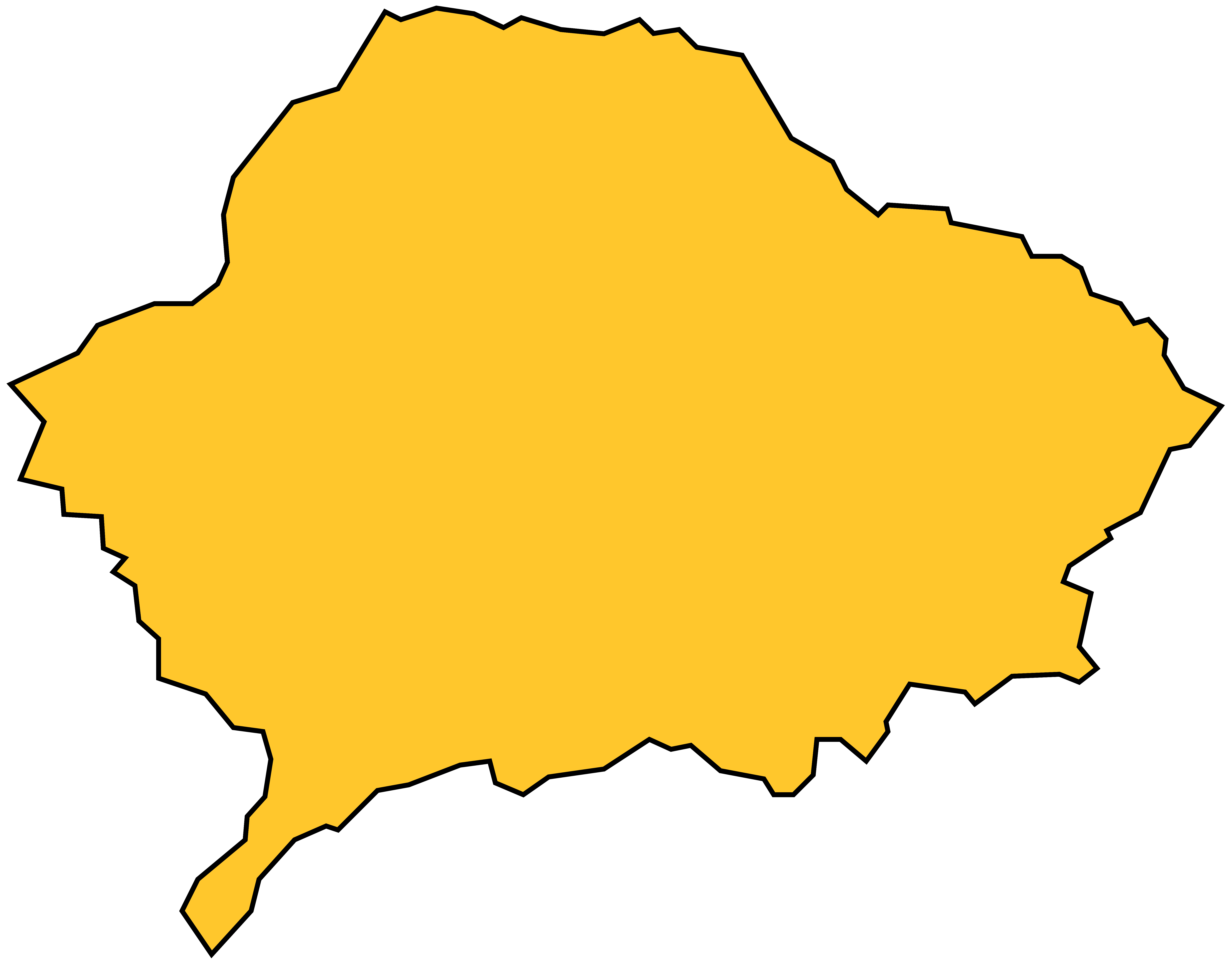
County Durham
County Day 20 March
✨ Origins St Cuthbert’s shrine
👑 Bishop’s county palatine
🏰 England / Scotland frontier
🖋️ Special legal status >11C
Church, castle and borderland wrapped together. ⛪⚔️
Read More
County Durham is a maritime county in north-east England, stretching from the North Sea to the Pennines, and from the Tyne and Derwent rivers to the Tees.
Known as the “Land of the Prince Bishops,” the county was ruled by the Bishops of Durham until 1836.
The western part is dominated by the moorlands and mountains of the Durham Dales, while the south lies within the Tees Lowlands, home to industrial towns such as Darlington, Stockton-on-Tees, Billingham, and the port of Hartlepool.
The River Wear winds through much of the county, passing the historic towns of Bishop Auckland, Durham, and Chester-le-Street before reaching the sea at Sunderland.
The north is defined by the towns along the south bank of the Tyne, including the former mining communities of Ryton and Blaydon, Gateshead, noted for its architecture, the shipbuilding town of Hebburn, Jarrow, home of Bede, and the port of South Shields.

East Lothian
Siorrachd an Ear Leothain
Haddingtonshire
✨ Province of Northumbrians
👑 Sheriffdom by 12th century
🏰 Haddington = county town
🖋️ County of Haddington
A fertile coastal county with deep medieval roots. 🌾🏰
Read More
East Lothian is a maritime county on Scotland’s east coast, stretching along the southern shore of the Firth of Forth (Firth Foirthe) and curving toward the North Sea.
Its coastline features sandy beaches and a mild climate, attracting visitors to the seaside resorts of North Berwick (Bàgh a Tuath) and Dunbar (Dùn Barr).
Prestonpans is notable for its 17th-century mercat cross, while Cockenzie and Port Seton grew from two small fishing villages.
Inland, East Lothian is generally low-lying and fertile, dominated by farming and fishing.
Haddington (Baile Adain) has been a Royal Burgh since the reign of David I, and the county is sometimes called “Haddingtonshire.”
The southernmost reaches rise into the Lammermuir Hills, forming a natural divide between the Lothians and Berwickshire.
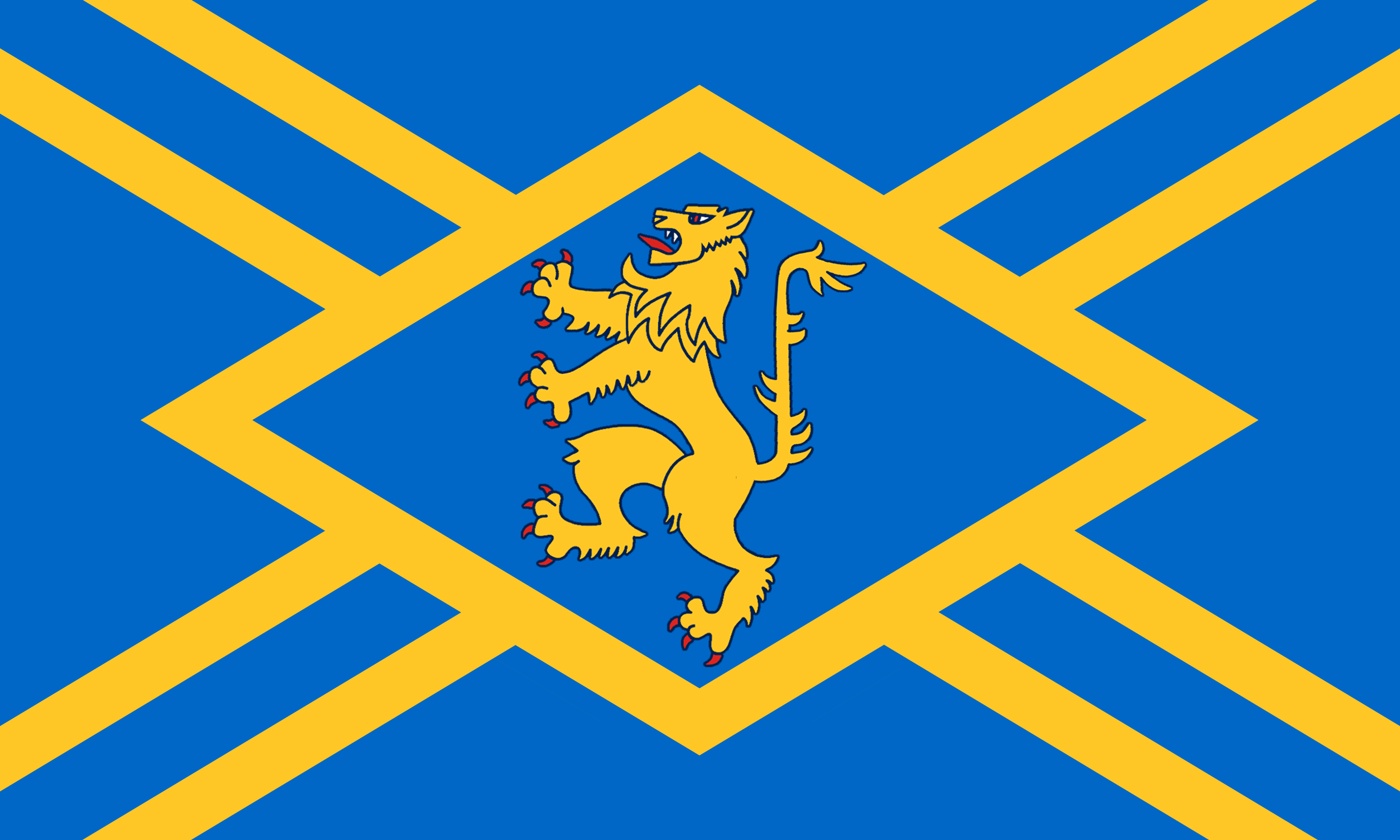

Essex
Kingdom of the East Saxons
County Day 26 October
✨ Kingdom of East Saxons
👑 Formed 6th–7th centuries
🏰 County of Roman towns
🖋️ Domesday: Essex hundreds
From Saxon kingdoms: fields, forests, Roman towns. 🌳🏺
Read More
Essex is a maritime county in south-east England, with a character that blends bustling towns, historic settlements, and rural landscapes.
The south-west falls within the metropolitan London conurbation, yet towns such as Stratford, East Ham, Ilford, Dagenham, Barking, Leyton, and Romford retain their distinct identities.
Epping Forest and Waltham Abbey lie to the north-west, offering green space and historic charm.
Along the Thames Estuary, industrial towns such as West Thurrock, Grays, and Tilbury have long served commerce and trade.
Southend-on-Sea grew as a popular seaside resort during the golden age of British holidays.
At the county’s centre, Chelmsford traces its origins back to pre-Roman times, while Colchester was once the capital of Roman Britain.
Beyond the urban and industrial areas, Essex remains rural, with a ragged coastline of tidal marshes and estuaries. Coastal resorts include Clacton-on-Sea, Frinton-on-Sea, and Walton-on-the-Naze, with Harwich serving as a major port.
In the north-west, Saffron Walden stands out as a historic and picturesque market town.


Fermanagh
Fhear Manach
County Fermanagh
✨ Maguire chiefs and loughs
👑 Made a county in 1585
🏰 Enniskillen = county town
🖋️ Records: ‘Fermanaghe’
A lakeland county of clans and strongholds. 🌊🏰
Read More
Fermanagh is an inland county of Northern Ireland (Tuaisceart Éireann), sparsely populated and rich in lakes and pasture.
The River Erne (Abhainn na hÉirne) runs the length of the county, forming Upper and Lower Lough Erne. Upper Lough Erne resembles a scatter of low green islands, with broad river channels winding between them, while Lower Lough Erne is a wider body of water dotted with small islands. Both loughs are popular for fishing and recreational boating.
Beyond the lakes, Fermanagh is primarily agricultural. The county’s only sizeable town, Enniskillen (Inis Ceithleann), lies between the two loughs, where the Erne becomes a river again.
Enniskillen Castle, built in the 15th century, served as a stronghold for the Maguires, the county’s historic ruling family.

Fife
Fìobha
Kingdom of Fife
✨ Pictish Kingdom of Fife
👑 Sheriffdom by 12th century
🏰 Cupar = county town
🖋️ Medieval charters: ‘Fif’
A kingdom turned county — cradle of kings. 👑🏔️
Read More
Fife is a maritime county in eastern Scotland, lying between the Firth of Forth (Firth Foirthe) and the Firth of Tay (Firth Tatha). Its nickname, the “Kingdom of Fife,” recalls the Pictish kingdom from which the county evolved.
The south is the most urban, where the Forth Bridges link Fife to the rest of Scotland. Dunfermline, the largest town, sits here, alongside Rosyth, home to a major Royal Navy base and dockyard.
Inverkeithing is an ancient port, while North Queensferry was reputedly founded by St Margaret, wife of Malcolm III, to facilitate pilgrim crossings to St Andrews.
Further along the coast lies Kirkcaldy, an historic trading port. Inland, the Lomond Hills (Cnocan Lomond) dominate the county’s centre. Glenrothes is a post-war new town, and Cupar features a 17th-century mercat cross.
Fife’s East Neuk includes St Andrews, famed for one of Britain’s oldest universities and as the home of the Royal and Ancient Golf Club, widely considered the birthplace of golf itself.

Flintshire
Sir y Fflint
County of Flint
✨ Ancient Perfeddwlad part
👑 County established 1284
🏰 Flint Castle and town
🖋️ Records: ‘Flyntshire’
A border county of castles, coast and industry. ⚒️🏰
Read More
Flintshire is a maritime county in north Wales, stretching along the Dee Estuary (Aber Dyfrdwy) and the Irish Sea (Môr Iwerddon).
The county’s centre is defined by the modest hills of the Clwydian Range (Y Mynyddoedd Clwyd), while the north-west lies in the Clwyd Valley (Dyffryn Clwyd). Its coast is dotted with seaside resorts, notably Prestatyn and Rhyl (Y Rhyl).
St Asaph (Llanelwy), on the River Clwyd (Afon Clwyd), is the seat of the ancient bishopric of St Asaph. Rhuddlan Castle, built by Edward I, stands as a reminder of the county’s medieval past.
On the Dee coast, Connah’s Quay and Shotton developed as industrial towns during the 19th century. Inland, St Winefride’s Well (Ffynnon Fair) at Holywell (Treffynnon) has been a site of pilgrimage since around 660.
The rural Maelor Saesneg area is separated from the rest of Flintshire by a tract of Denbighshire, and the ancient yew trees in the churchyard of St Mary the Virgin, Overton-on-Dee, are celebrated as one of the Seven Wonders of Wales.


Glamorgan
Morgannwg
Glamorganshire
✨ Kingdom of Morgannwg
👑 Lordship then shire 1284
🏰 Cardiff = great town / port
🖋️ ‘Glamorganshire’
A county of coal, castles and coasts. ⛏️🌊
Read More
Glamorgan is a maritime county in south Wales, home to the cities of Cardiff (Caerdydd) and Swansea (Abertawe), alongside numerous industrial, market, and seaside towns. The county divides naturally into three contrasting areas.
The Valleys (Cymoedd) run across the north, a densely populated, mountainous region with a proud industrial and mining heritage. Major towns here include Aberdare (Aberdâr), Maesteg, Merthyr Tydfil, Pontypridd (Pontypridd), and Treorchy. Historically, this area was known as Blaenau Morgannwg.
To the south lies the Vale of Glamorgan (Bro Morgannwg), an unspoilt lowland of farmland and small villages stretching from Porthcawl to Cardiff. Its historic market towns include Bridgend (Pen-y-bont ar Ogwr), Cowbridge (Y Bont-faen), and Llantwit Major (Llanilltud Fawr), while seaside resorts such as Penarth, Barry, and Porthcawl attract visitors.
The western portion of the county comprises the ancient district of Gower (Y Rhondda), including Swansea Bay and the Gower Peninsula (Penrhyn Gŵyr), famed for its stunning scenery, coastal paths, and fresh sea air.
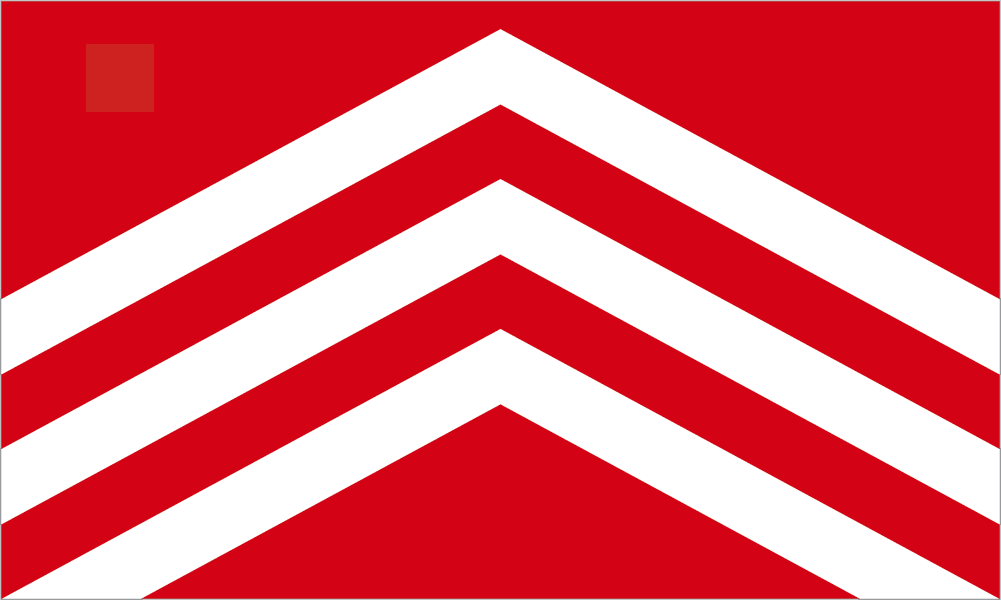

Gloucestershire
County of Gloucester
County Day 21 September
✨ Roman town of Glevum
👑 Shire by early medieval
🏰 Abbeys, markets, hillforts
🖋️ Domesday: lists hundreds
County of abbeys, Cotswolds and old market towns. 🐑⛪
Read More
Gloucestershire is a county in south-west England with three distinct landscapes. To the east, the Cotswold Hills extend into neighbouring counties, celebrated for their rolling hills and honey-coloured stone villages such as Bibury, Bourton-on-the-Water, Chipping Camden, Lower Slaughter, Stow-on-the-Wold, Stroud, and Winchcombe. Cirencester, once the Roman town of Corinium, is a historic highlight of the region.
In contrast, the Severn Vale is a flat, fertile expanse shaped by the River Severn (Afon Hafren). Gloucester, a river port, lies here, while further north, historic Tewkesbury marks a crossing of the Severn.
Cheltenham, famed as a spa town, sits on the Vale’s edge, and Bristol, straddling the Avon, forms the south-western gateway to the region.
To the west, the Forest of Dean remains one of Britain’s largest surviving ancient woodlands, offering a striking contrast to the lowlands and rolling hills of the rest of the county.
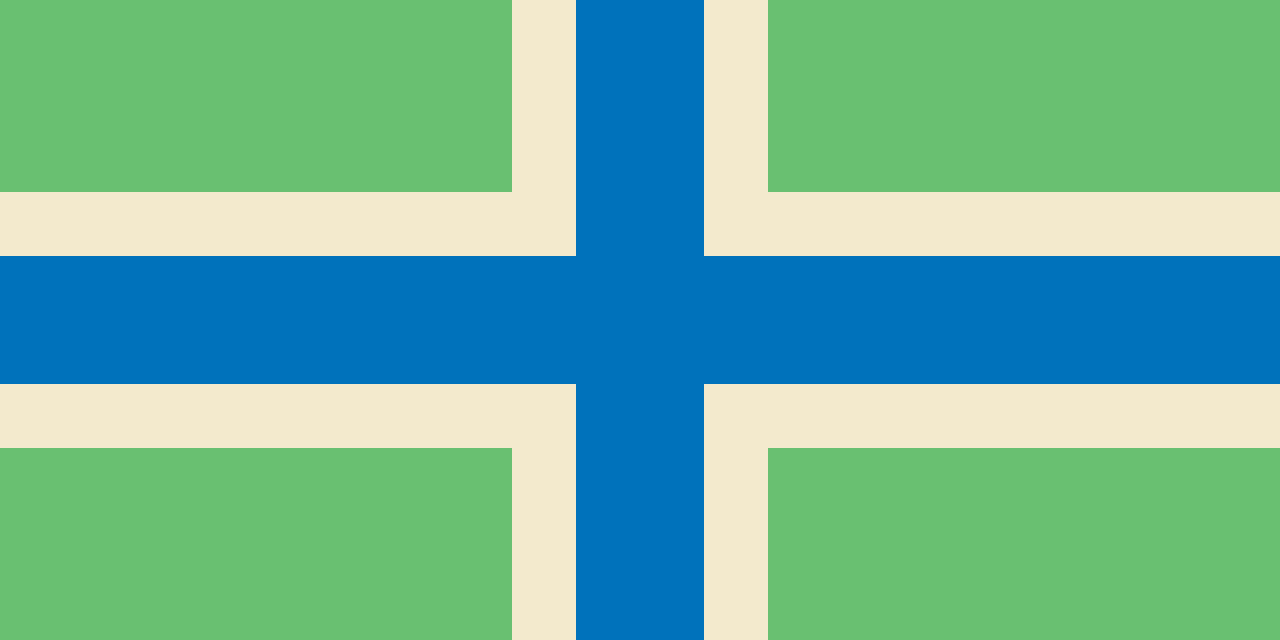
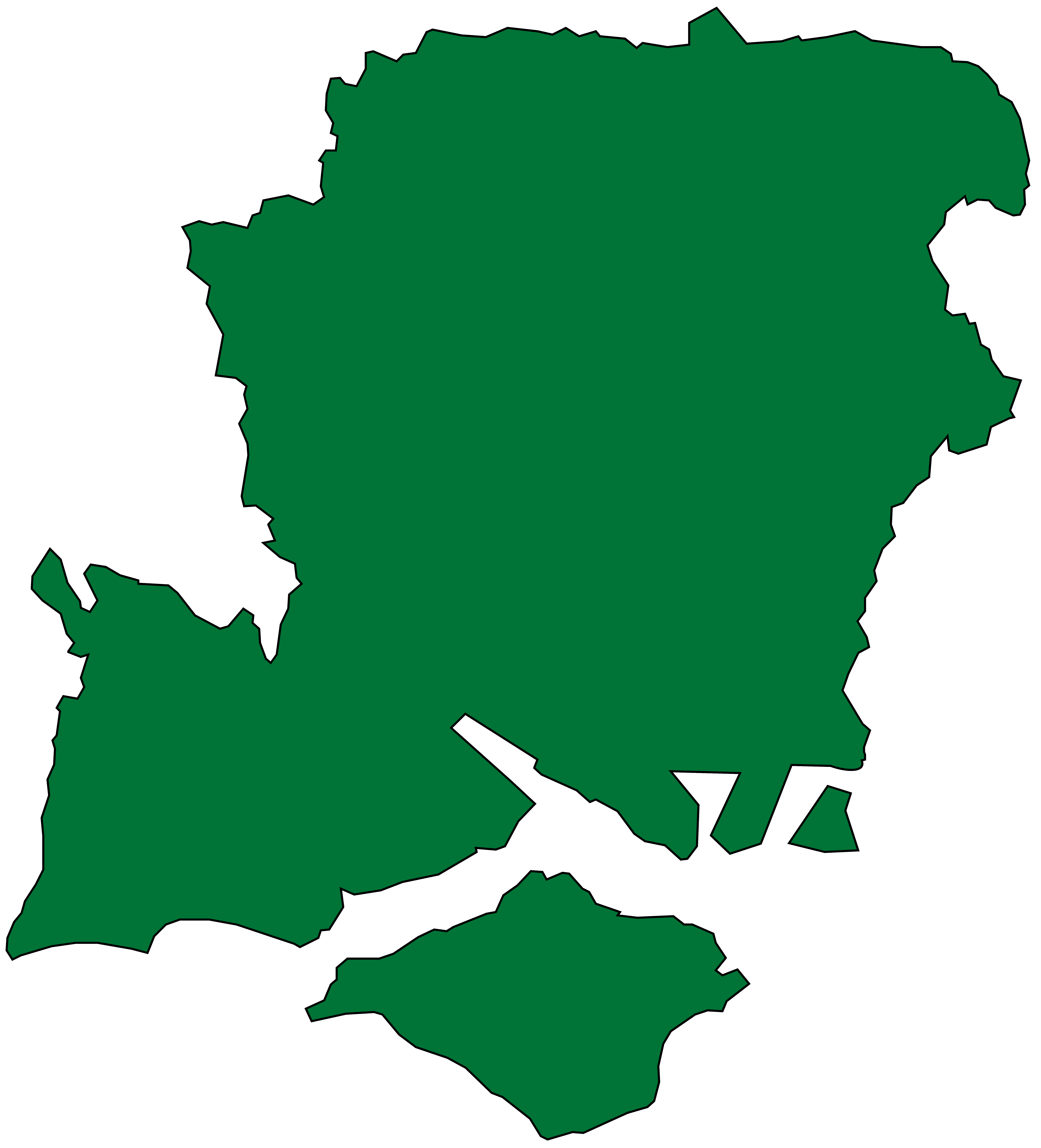
Hampshire
County of Southampton
County Day 15 July
✨ Hamtun = Roman & Saxon
👑 Shire formed by Wessex
🏰 Prestigious Winchester
🖋️ Domesday: shows ports
Royal shire of ports, downs & ancient capital echoes. ⚓👑
Read More
Hampshire is a maritime county on England’s south coast, with a coastline facing the sea and the Solent. Southampton stands as one of Britain’s greatest commercial ports, while Portsmouth is home to the Royal Navy.
Across the Solent lies the Isle of Wight, famed for its Victorian seaside towns such as Sandown, Ryde, and Ventnor, its dramatic coastline at The Needles and Tennyson Down, and the tranquillity of its largely unspoiled interior.
Inland, Hampshire offers quintessential English countryside, rolling gently around the traveller. At its heart, Winchester is dominated by its Norman cathedral.
To the north-east lie Basingstoke, an ancient market town, and Aldershot, known as the “Home of the British Army.” Aside from Andover, the north-west remains predominantly rural. In the south-west, the New Forest, laid out as a royal hunting ground by William the Conqueror, provides open woodland and heath.
Along the western coast, a string of sandy resorts leads to the Victorian splendour of Bournemouth.

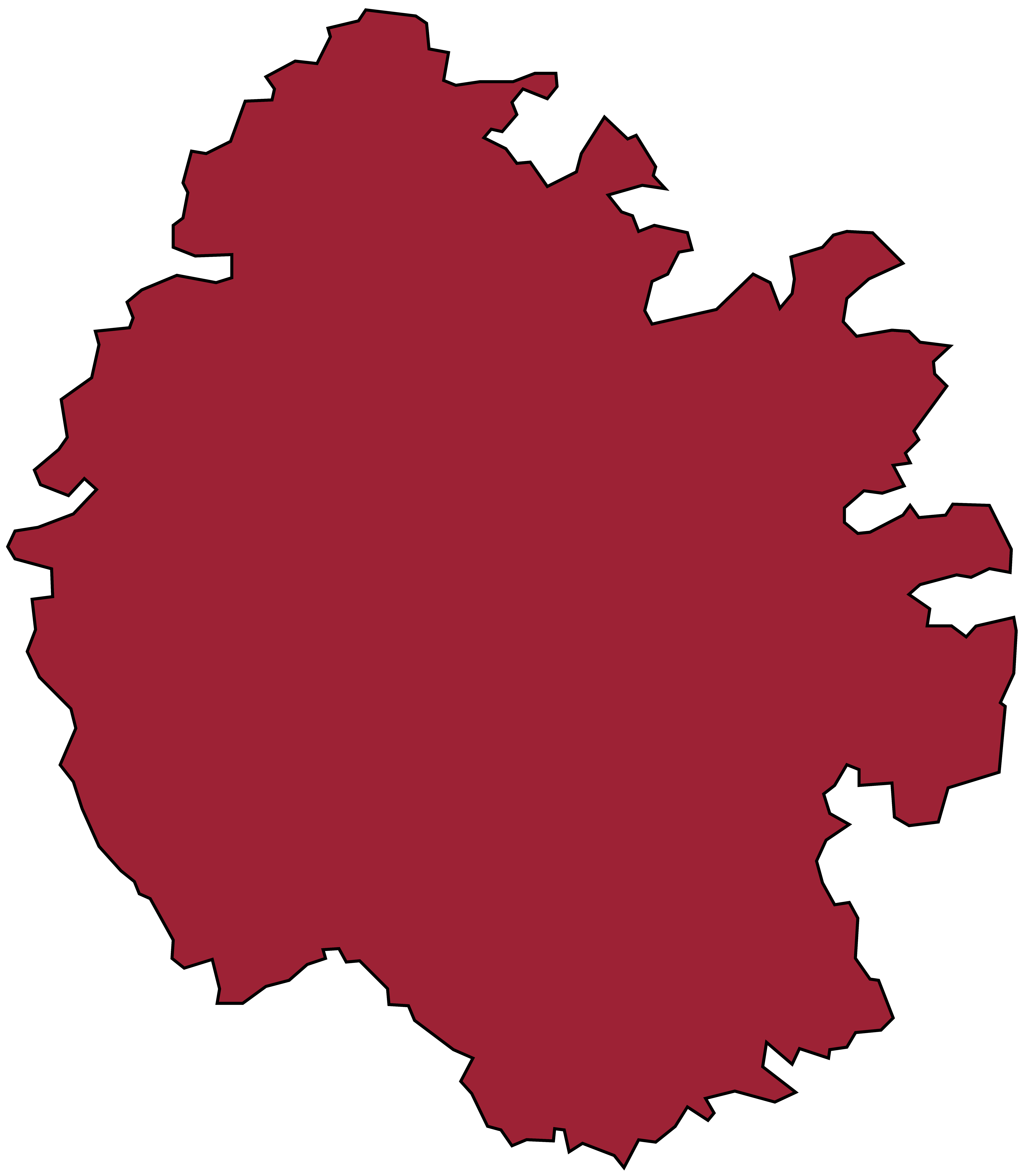
Herefordshire
County of Hereford
County Flower Mistletoe
✨ Borderland of marcher lords
👑 Shire by 10th–11th C
🏰 Rural county of castles
🖋️ Medieval lordships
A Marcher county where Welsh hills meet English fields. 🏞️🏰
Read More
Herefordshire is an inland county in the Midlands, celebrated for its orchards and traditional cider. The River Wye flows from Clifford through Hereford, where the imposing Norman cathedral dominates the cityscape, before winding onward to Ross-on-Wye and out of the county.
In the south-west, the Black Mountains give way to the Golden Valley of the River Dore, home to Dore Abbey and the famous carvings at the Church of St Mary and St David, Kilpeck.
North Herefordshire is renowned for its “black and white” timber-framed villages, including Leominster, Weobley, Eardisley, Kington, and Pembridge. Eastern Herefordshire is a quiet, agricultural area, bordered by the Malvern Hills along Worcestershire, with Ledbury standing out as a thriving market town.


Hertfordshire
County of Hertford
Herts
✨ River crossing & market site
👑 Shire by c.10th century
🏰 London’s hinterland
🖋️ Domesday: lists hundreds
On edge of metropolis: market town and manor country. 🐎🏡
Read More
Hertfordshire is an inland county in southern England, combining rolling countryside with historic towns and modern developments.
The north-west rises into the Chiltern Hills, dotted with traditional villages and beechwoods. At the foot of the Chilterns along the River Gade lie Hemel Hempstead, Kings Langley, and Abbots Langley, the birthplace of Pope Adrian IV. St Albans crowns a hill, its skyline dominated by St Albans Abbey.
The south-west stretches into the Colne Valley, including Borehamwood, Watford, and Rickmansworth, while the River Lea (Afon Lae) shapes the eastern towns of Harpenden, Wheathampstead, Welwyn Garden City, and Hertford, the latter retaining a medieval street layout.
The river then forms part of the Essex border, flowing past Hoddesdon, Cheshunt, and Waltham Cross, named for the central Eleanor Cross. The north of the county remains largely rural, while Letchworth was the first garden city and Stevenage the first post-war new town.

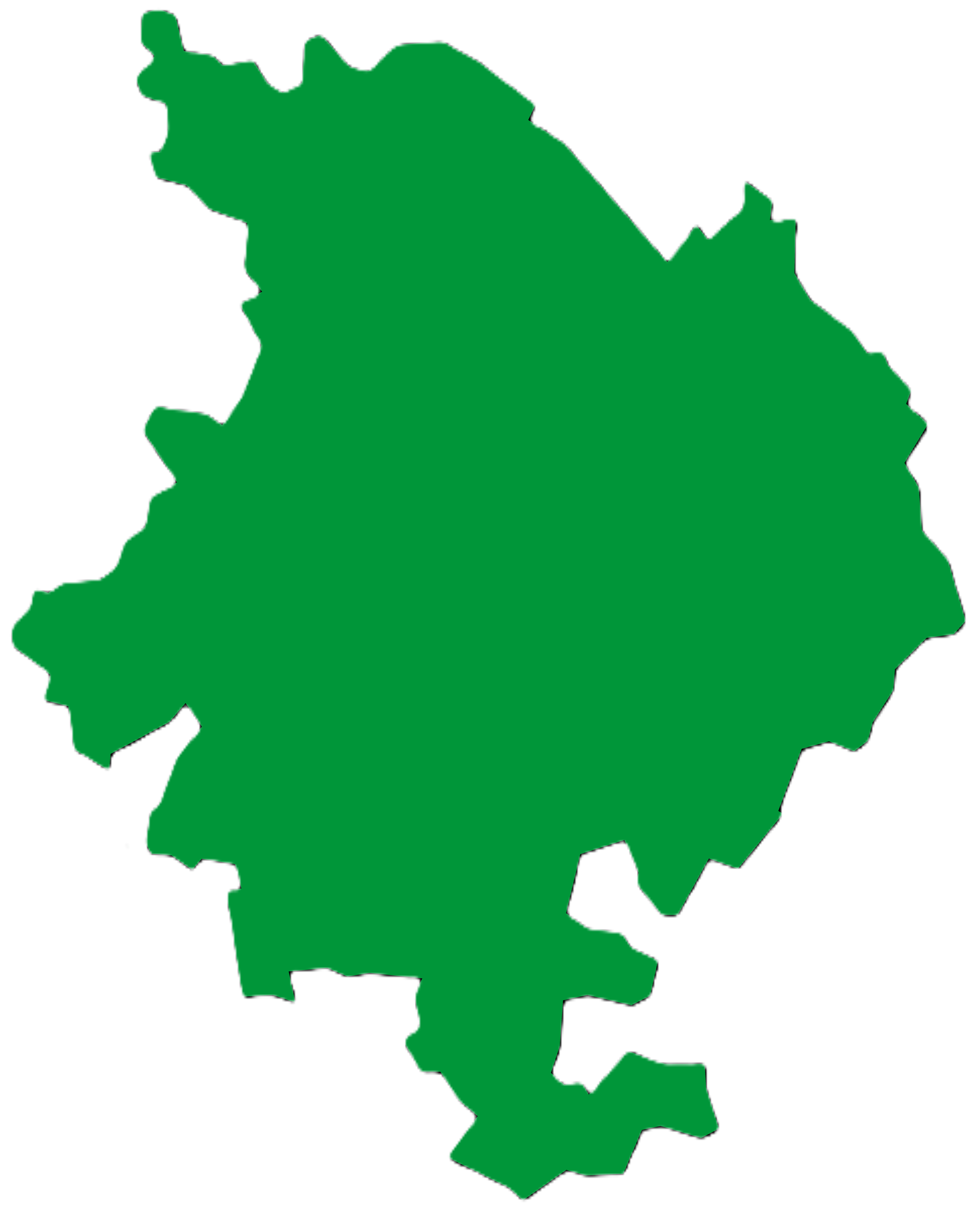
Huntingdonshire
County of Huntingdon
County Day 25 April
✨ Huntingdon, Great Ouse
👑 Shire by 10th century
🏰 Fenland county
🖋️ Domesday Book mention
A compact county of rivers, fen and market towns. 🚣♂️🌾
Read More
Huntingdonshire is an inland county lying between the Midlands and East Anglia, characterised by rural landscapes, charming villages, and a handful of small towns.
Huntingdon, the birthplace of Oliver Cromwell, sits on the Great Ouse at the county’s centre.
The southern part of the county is dominated by farmland and picturesque villages, with the Great Ouse entering at St Neots. Upstream lies Godmanchester, noted for its timber-framed Tudor houses and the medieval bridge linking it to Huntingdon. The river continues east to St Ives, famous for its unique medieval bridge with a chapel in the middle.
North of Huntingdon, the fenland is dotted with small, scenic hamlets. Ramsey features a manor built on the site of an Anglo-Saxon abbey. The southern suburbs of Peterborough, including Fletton and the Ortons, extend into the far north of Huntingdonshire, blending rural charm with modern development.


Inverness-shire
Siorrachd Inbhir Nis
County of Inverness
✨ Heartland of Picts & Gaels
👑 Sheriffdom by 12th century
🏰 Highlands, Western Isles
🖋️ Named for Inverness
Scotland’s largest county — from mountain to sea. 🏔️🌊
Read More
Inverness-shire is a vast Highland county, stretching from the North Sea to the Atlantic and encompassing a multitude of stunning islands.
The landward interior is wild and mountainous, shaped by deep, secluded glens and shimmering lochs. Its coastline is indented by long, rugged sea lochs, giving the county a dramatic maritime character.
The Great Glen cuts through the centre, running from Loch Linnhe to Loch Ness, the longest and deepest of Britain’s lochs.
Inverness-shire also includes most of the Outer Hebrides (except Lewis) and parts of the Inner Hebrides, including Skye, Raasay, Scalpay, and Eigg. The county boasts over fifty Munros, among them Ben Nevis, the highest mountain in Great Britain.
Inverness, located where the River Ness meets the Moray Firth, is often regarded as the capital of the Highlands. Aviemore is a favourite for winter sports and hillwalking in the Cairngorms, while Fort William, close to Ben Nevis, serves as a hub for climbing and outdoor adventure.
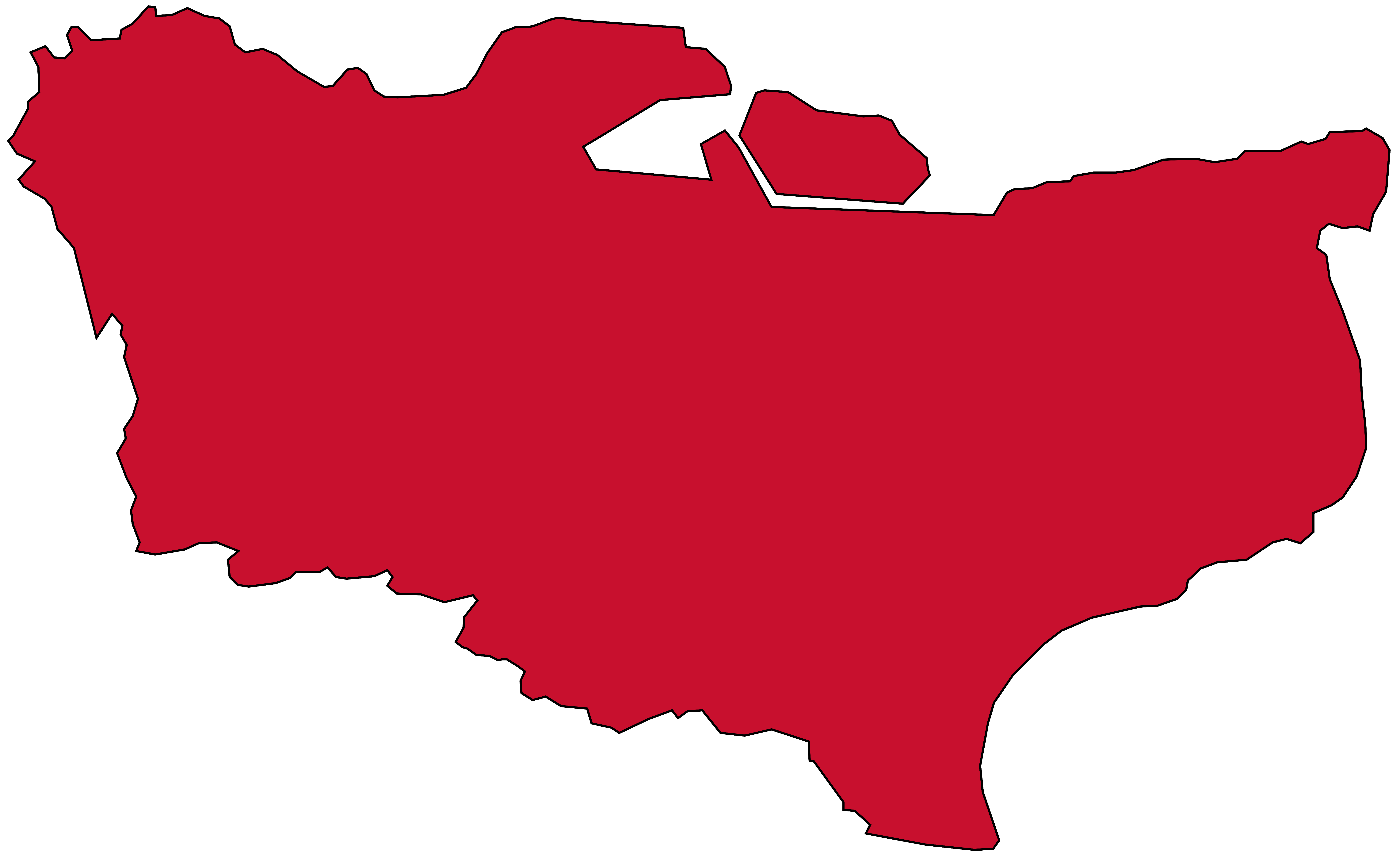
Kent
County of Kent
County Day 26 May
✨ Anglo-Saxon realm 5-6C
👑 Royal and Church centres
🏰 Gateway to Europe
🖋️ Appears in early chronicles
Gateway shire: Kingdom, ports, cathedral. ⚓✝️
Read More
Kent is a maritime county at the south-eastern tip of Great Britain, steeped in history from its days as a British kingdom before the Romans to its later status as a Jutish kingdom. Known as the “Garden of England,” Kent is celebrated for its fertile farmland and abundant orchards.
The north-west, stretching from Lewisham and Greenwich to Bromley, forms part of the London metropolitan area. Beyond this, Kent offers a rich variety of landscapes: the North Downs, the rolling countryside of the Weald, the fertile marshlands of Romney, Denge, and Walland, and the coastal Isle of Thanet to the north-east.
Key towns include Maidstone, Tonbridge, Ashford, and Royal Tunbridge Wells. Rochester, an ancient cathedral city, lies at the lowest bridging point of the River Medway, while Canterbury is the historic seat of St Augustine, established in AD 597, and the home of the Archbishop of Canterbury.
The iconic White Cliffs of Dover stand sentinel over the Straits, offering one of England’s most recognisable coastal views.


Kincardineshire
Siorrachd Chinn Chàrdainn
The Mearns
✨ Coastal Mearns of the Picts
👑 Sheriffdom by 12th century
🏰 Kincardine & Stonehaven
🖋️ Medieval: ‘The Mearns’
A coastal shire of fishing villages and castles. ⚓🏰
Read More
Kincardineshire is a maritime county along the North Sea coast of Scotland. The north-west rises into the Grampian Mountains, with Glen Dye noted for its remarkable scenery.
To the east, the hills slope down to the wooded valley of the River Dee, which forms much of the border with Aberdeenshire. Banchory is often called the “Gateway to Royal Deeside.”
South of the Grampians, the low-lying Howe o’ the Mearns is an agricultural heartland, with Laurencekirk as its largest village and the Johnston Tower on the Hill of Garvock as a prominent landmark.
Kincardineshire’s coastline is bold and rocky, yet provides natural harbours for fishing villages. Stonehaven grew from an Iron Age settlement, while Dunottar Castle, perched on a rocky headland, famously sheltered the Scottish crown jewels from Cromwell’s forces. Inverbervie remains an historic royal burgh.

Kinross-shire
Siorrachd Chinn Rois
County of Kinross
✨ “Head of the point”
👑 Established 13th century
🏰 Loch Leven Castle
🖋️ In medieval records
A little lochside shire with royal echoes. 🦢🏰
Read More
Kinross-shire is a small inland county nestled between Perthshire and Fife. The landscape is mostly flat, with the Ochil Hills rising in the north-west and the Cleish Hills marking the southern boundary. At the county’s heart lies Loch Leven, the largest loch in the Scottish lowlands.
Castle Island on Loch Leven is home to the ruins of Loch Leven Castle, where Mary, Queen of Scots was imprisoned from 1567 to 1568. The town of Kinross sits attractively on the western shore of the loch, while Milnathort lies amid picturesque countryside at the foot of the Ochil Hills. Scotlandwell is known for its historic springs, featuring a 19th-century ornamental well and wash house.

Kirkcudbrightshire
Siorrachd Chill Chuithbeirt
East Galloway
✨ Named for St Cuthbert
👑 Sheriffdom by 12th century
🏰 Kirkcudbright fishing port
🖋️ Stewartry of Kirkcudbright
A Galloway county of saints, coasts and coves. ⛪🌊
Read More
Kirkcudbrightshire, also known as the Stewartry of Kirkcudbright, is a maritime county along the northern shore of the Solway Firth. The north-west of the county is rugged and wild, dominated by Merrick, the county’s highest point, and the Rhinns of Kells.
The southern part of the shire is gentler, with rolling and picturesque landscapes. Its dales sweep gracefully down to the sea, with the Urr Water reaching the Solway near Dalbeattie, while the Dee and Ken Waters flow to Kirkcudbright, opening into the broad Kirkcudbright Bay.
The Cree Water, forming the western border, flows into the expansive Wigtown Bay. Kirkcudbright itself is a charming old market town, and Castle Douglas, nestled above the River Dee, is a Georgian new town.


Lanarkshire
Siorrachd Lanraig
County of Lanark
✨ Strathclyde kingdom
👑 Shire by the 12th century
🏰 Lanark, Hamilton, Glasgow
🖋️ Medieval: ‘Lanarkschire’
Lowland county: industrial heart & ancient kingdom. ⚒️🏭
Read More
Lanarkshire lies in the Scottish Lowlands, largely encompassing the valley of the River Clyde. The Clyde rises in the Lowther Hills, flowing south-west and then north-west through Glasgow, before opening into the Firth of Clyde.
The county played a central role in the Industrial Revolution. Lanark sits near the river, while New Lanark is a model village built by Robert Owen for his mill workers’ families. Downstream, the plain flattens, with towns clustering along the Clyde, including Coatbridge, Hamilton, and Motherwell.
Glasgow, one of Britain’s major cities, grew from industrial enterprise, transatlantic trade, and shipbuilding, spreading across the lower Clyde.
In contrast, Upper Clydesdale offers peaceful countryside, quiet villages, and smaller towns such as Biggar, with the Southern Uplands rising in the far south.

Lancashire
County of Lancaster
County Day 27 November
✨ Formed of ancient lordships
👑 County from 12th century
🏰 Shaped by castles, manors
🖋️ Medieval identity
Born Middle Ages: industrial seeds, ducal pride. 🏭🏰
Read More
Lancashire is a maritime county in north-west England, stretching from the Mersey to Morecambe Bay.
The south-east encompasses the rivers Mersey, Tame, and Irwell, with major urban centres including Manchester, Salford, Eccles, Stretford, and Ashton-under-Lyne.
West along the Mersey lie Warrington and Widnes, leading to the historic port city of Liverpool at the estuary.
The West Lancashire Coastal Plain extends from the Mersey to the Ribble, including the seaside resorts of Southport and Formby. East of this lies the South Lancashire Coalfield, once dotted with mining towns such as Wigan, St Helens, and Leigh.
Between Manchester and the West Pennines are many of Lancashire’s historic industrial towns: Bolton, Bury, Rochdale, and Oldham. North of the West Pennines, the valleys of the Calder and Ribble feature towns like Blackburn, Burnley, Nelson, and Colne, overlooked by Pendle Hill and Clitheroe.
The Fylde Coastal Plain stretches from Preston on the Ribble to Lancaster on the Lune, with its coast lined by resorts, most famously Blackpool. Across Morecambe Bay, separated on the coast by Westmorland, lies Lancashire North of the Sands, renowned for its stunning Lake District scenery.

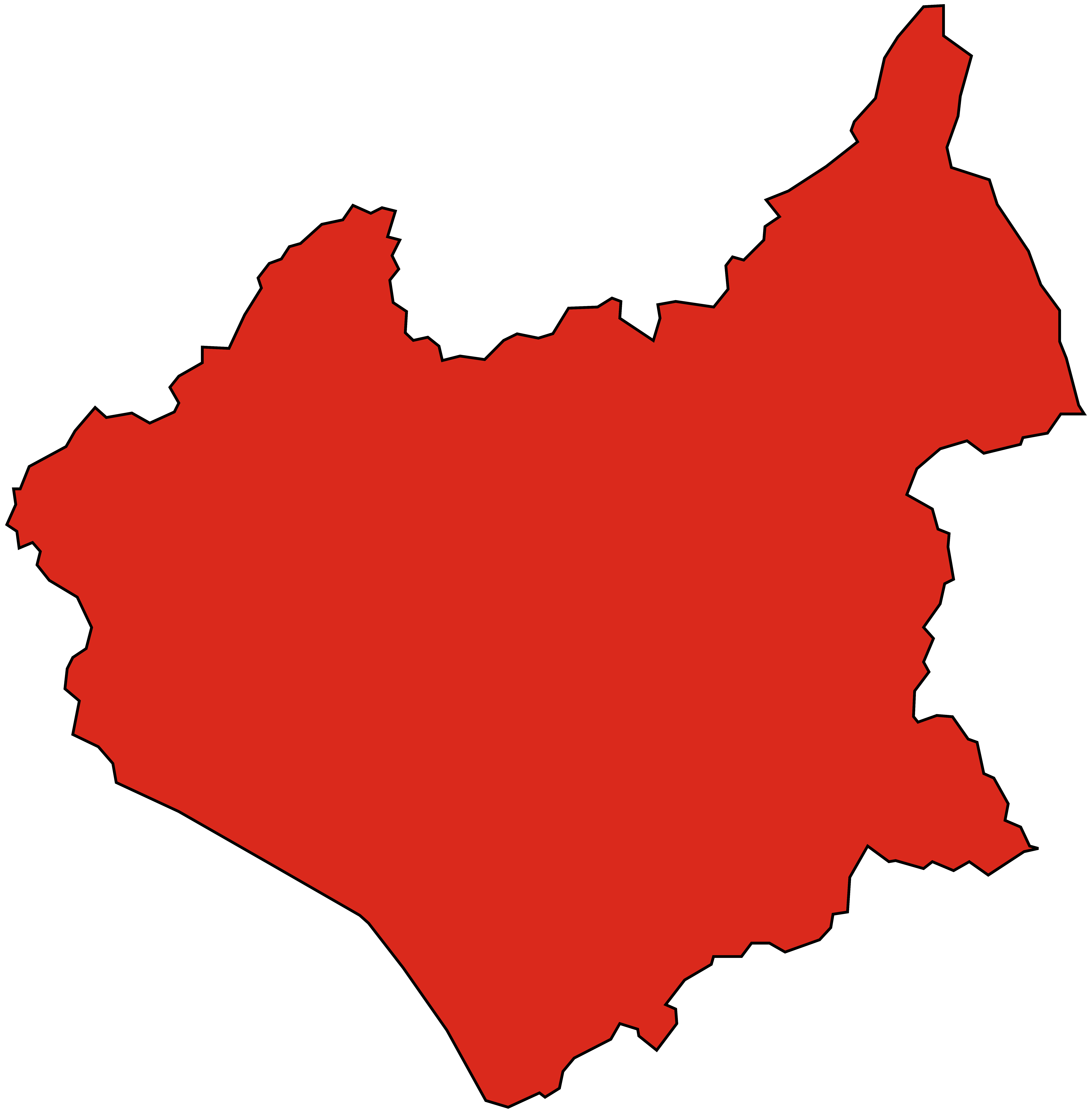
Leicestershire
County of Leicester
Leics
✨ Roman Leicester
👑 Established by 10th C
🏰 Market towns, Roman roads
🖋️ Domesday: Hundreds
Midland county: Roman roads meet medieval markets. 🛤️🏺
Read More
Leicestershire is a Midland county with a rich history. Leicester, on the River Soar, blends Roman, Viking, and medieval heritage within a substantial modern city.
The north-west of the county was shaped by coal mining, with Coalville as its largest former mining town. Ashby de la Zouch is a historic market town, noted for its ruined 12th-century castle, while Loughborough hosts the world’s largest bell foundry.
Charnwood Forest rises as an upland, rocky, and picturesque tract. The east of the county is rural, with charming villages and fertile farmland. Market Harborough lies on the southern edge, and Melton Mowbray, famous for its pork pies, sits in the north-east near the Leicestershire Wolds. The south-west remains largely rural, with small towns including Hinckley and Lutterworth.
The historic Battle of Bosworth Field, where Richard III fell in 1485, is commemorated in Leicester Cathedral, where his remains were reinterred in 2015.
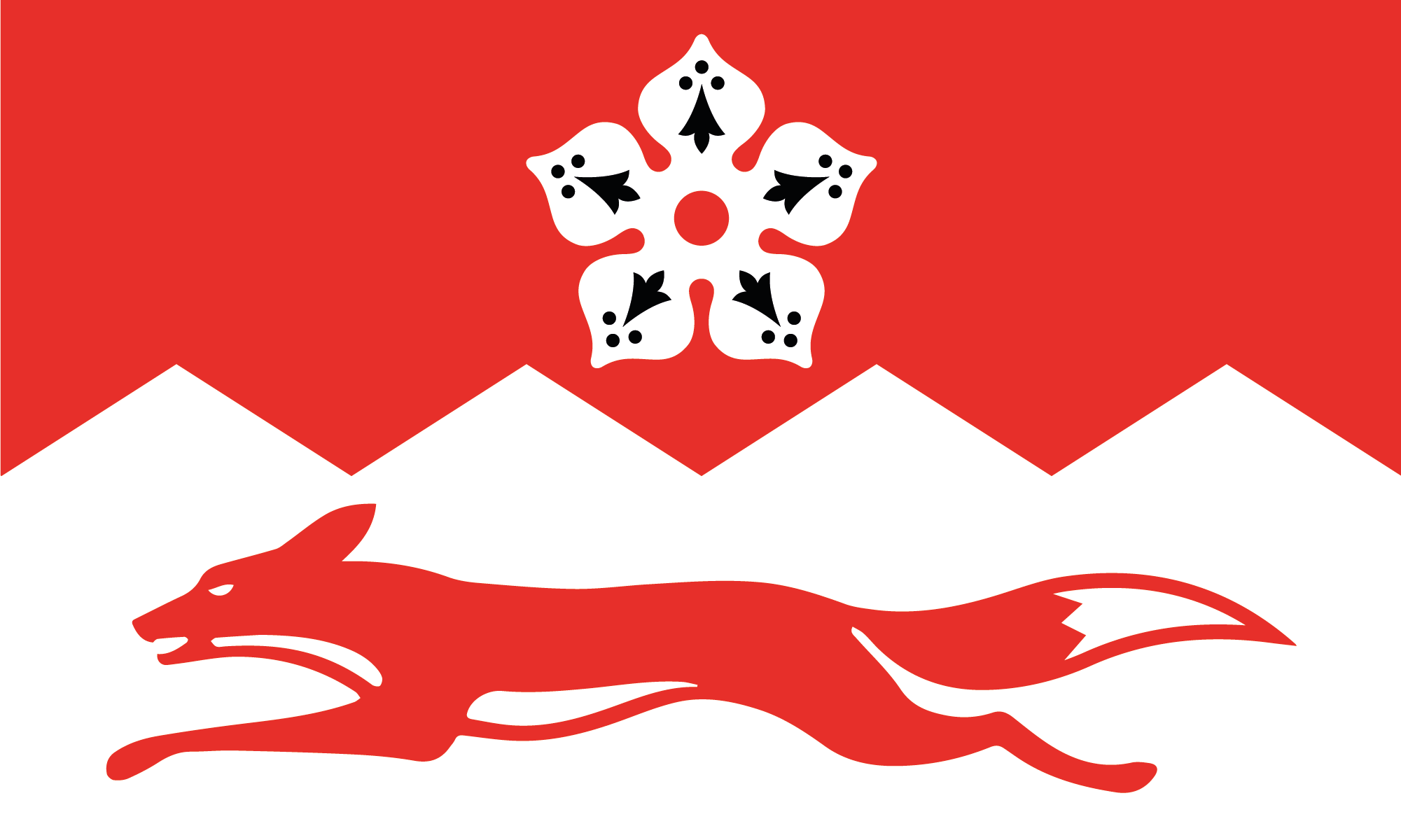

Lincolnshire
County of Lincoln
County Day 1 October
✨ Roman & Viking Lincoln
👑 Shire from Anglo-Saxon era
🏰 Fenlands & cathedral city
🖋️ Later subdivided into ‘Parts’
Vast eastern county: fens, fields & cathedral spires. 🌾⛪
Read More
Lincolnshire is a maritime county on England’s east coast, traditionally divided into Holland (south-east), Kesteven (south-west), and Lindsey (north).
The county is famously flat, stretching from the southern fenlands and along the North Sea coast to the Humber, with the Lincoln Edge rising gently in a straight line for some forty miles, though “the Heights” rarely exceed 200 ft.
Lincoln itself is a city of medieval charm, dominated by a large castle and the majestic cathedral. Along Lindsey’s coast lie the resorts of Skegness and Cleethorpes, as well as the ports of Grimsby and Immingham.
Inland, Gainsborough is a historic port on the River Trent, while Scunthorpe grew as the “Industrial Garden Town.”
In Holland, Boston is famed for St Botolph’s Church, known locally as “The Stump.” Grantham, in Kesteven, lies near Woolsthorpe Manor, the birthplace of Sir Isaac Newton, while Stamford, on the Northamptonshire border, is a jewel of architecture built from rich Barnack ragstone.
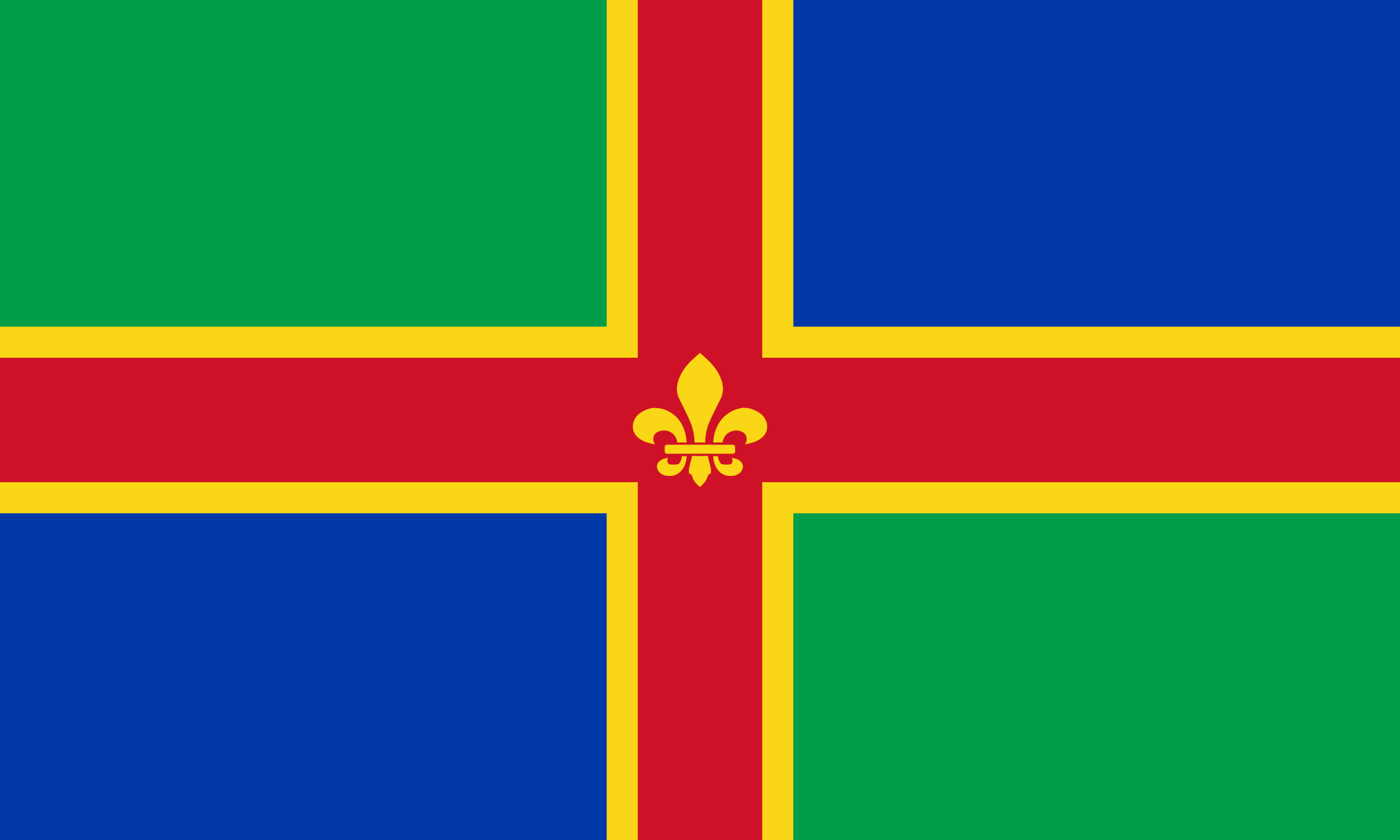

Londonderry
Doire
County Londonderry
✨ Ancient kingdom of Aileach
👑 Shired as Londonderry 1613
🏰 County Town: Londonderry
🖋️ Also ‘London-Derrie’
A county of walls, rivers and plantations. 🏰🌊
Read More
Londonderry is a maritime county on Ulster’s north coast, stretching from the River Bann in the east to the border with the Irish Republic in the west.
Inland, the county reaches to Lough Neagh, with the River Foyle running through its western edges down to Londonderry city and onward into Lough Foyle.
Londonderry, often called the “Maiden City,” is a historic walled city whose defenses have never been breached. The Bann River leaves Lough Neagh, flowing north to Coleraine before meeting the Atlantic. Both Coleraine and Londonderry span both banks of their rivers.
The southern part of the county rises into the Sperrin Mountains, providing a rugged contrast to the coastal and lowland areas.

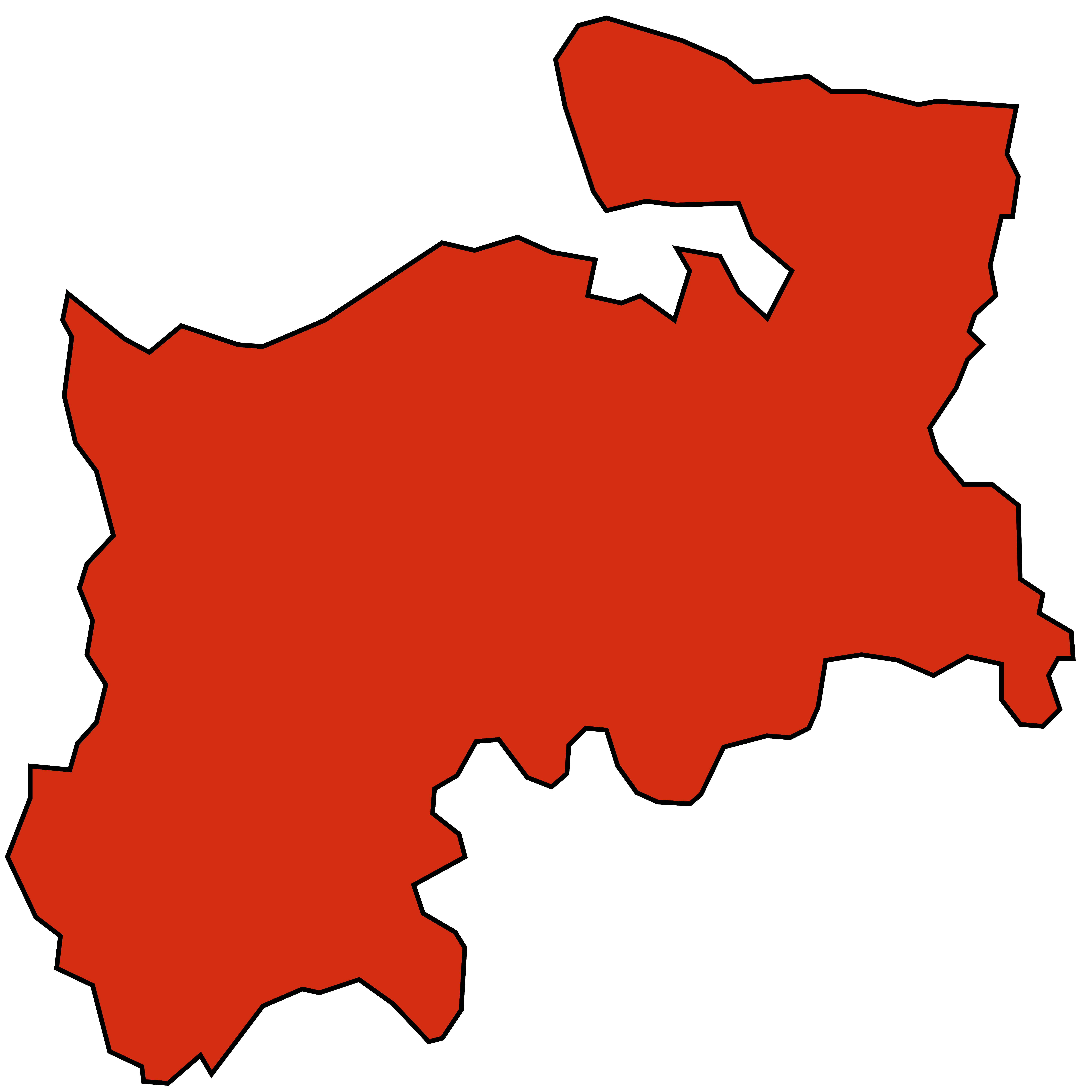
Merionethshire
Meirionnydd
County of Merioneth
✨ Kingdom of Meirionnydd
👑 County from 1284
🏰 Dolgellau = county town
🖋️ Flag roots = Agincourt
A mountainous county of slate, sheep and song. 🏔️🎶
Read More
Merionethshire is a maritime county in north-west Wales, stretching along Cardigan Bay. Its coastline alternates between dramatic cliffs and long sandy beaches backed by dunes. At the southern tip lies the Dyfi Estuary, while the resorts of Aberdovey, Tywyn, and Barmouth are celebrated for their wide, sandy shores.
Further north, the tiny town of Harlech perches above the coast, dominated by the ruins of its famous castle. The coastline continues to the estuaries of the Dwyryd and Glaslyn, between which sits the whimsical Italianate village of Portmeirion, designed by Clough Williams-Ellis. Much of the county lies within Snowdonia, a landscape of rugged mountains and dramatic valleys.
Merionethshire’s towns reflect its industrial past: Blaenau Ffestiniog was a hub of the slate industry, while Dolgellau experienced a minor gold rush in the 19th century. In the north-east, Bala Lake stands as Wales’ largest natural lake, and Corwen is notable for its links to the legendary Owain Glyndŵr.
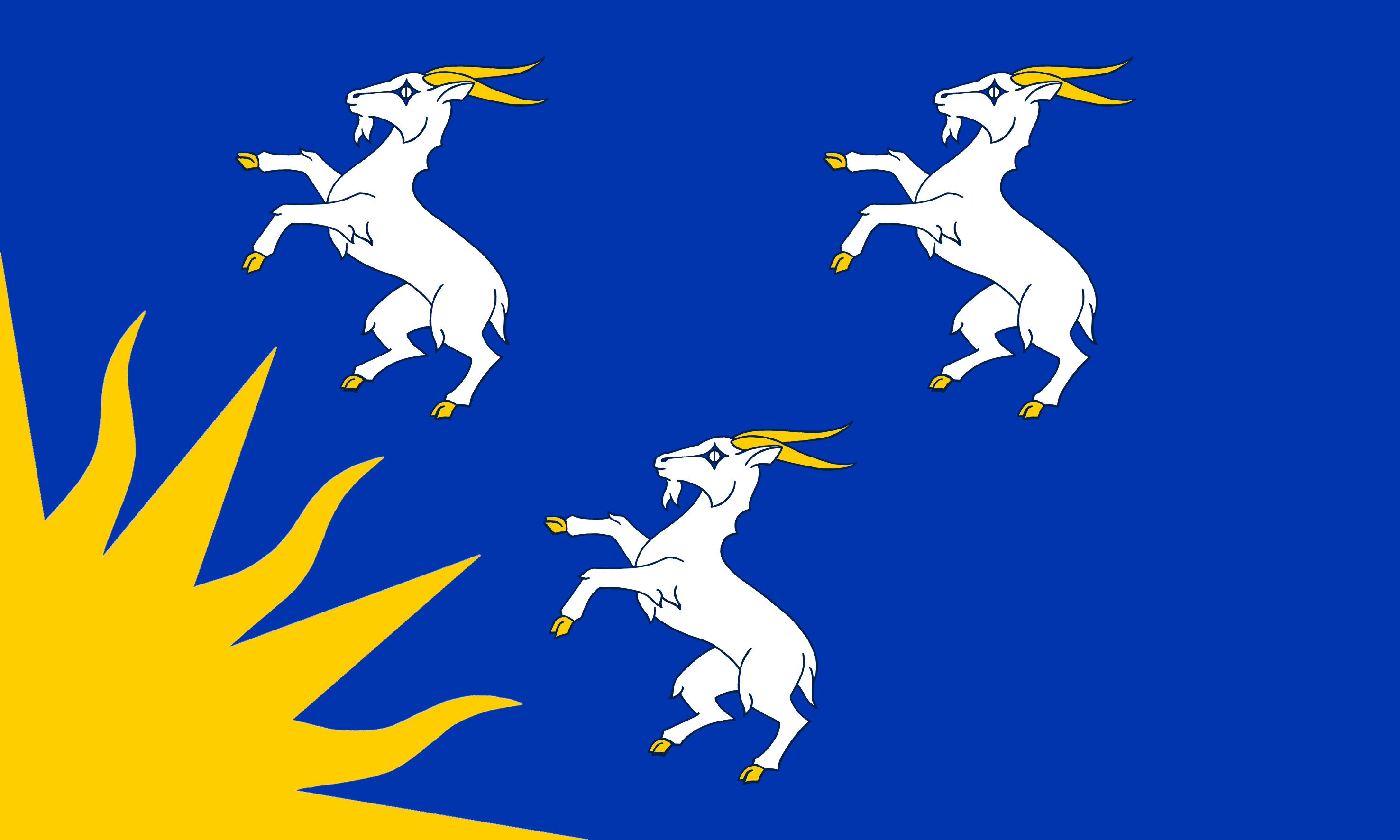
Middlesex
County of Middlesex
County Day 16 May
✨ Kingdom of Middle Saxons
👑 County by 7th–8th century
🏰 Uxbridge, City of London
🖋️ Listed in Domesday Book
Rivers and heart of England’s early Saxon settlement. 🌾🏙️
Read More
Middlesex is an inland county in southern England, historically shaped by its two cities – London and Westminster. By the early 20th century, the capital’s metropolitan area had spread west to Chiswick, north to Highgate, across the Lea into Essex, and over the Thames into Surrey.
Outside these urban fringes, Middlesex retained a largely rural character, with farmland, villages, and market towns such as Willesden, Ealing, Hounslow, Twickenham, Teddington, Uxbridge, Harrow on the Hill, and Edgware.
The 20th century saw much of Middlesex absorbed into the Greater London administrative area, yet its towns and villages have retained distinct identities, and a strong sense of Middlesex pride continues through sporting, cultural, and community life.
Pockets of rural charm remain along the Thames around Staines, the Colne Valley near Harefield, and Enfield Chase near Potters Bar.
Today, Middlesex offers a rich tapestry of landscapes and townscapes, historic buildings, parks, and a heritage that is uniquely its own.


Midlothian
Meadhan Labhdaidh
County of Edinburgh
✨ Ancient heart of Lothian
👑 Sheriffdom from 12th C
🏰 Alt-name Edinburghshire
🖋️ ‘Midlodine’ in charters
Capital county — seat of kings, parliaments and castles. 🏰👑
Read More
Midlothian lies along the southern shore of the Firth of Forth and is dominated by Edinburgh, often hailed as one of Britain’s most beautiful cities.
At its heart stands Edinburgh Castle, perched on its ancient rock, with the Royal Mile stretching down to the Palace of Holyroodhouse, lined with historic buildings and monuments. North of the Royal Mile is the elegant Georgian New Town, while the city’s suburbs now extend widely and include the historic port of Leith.
Beyond the capital, Midlothian retains a quieter, rural side, with market towns and farmland. Coastal Musselburgh is a major town, while Penicuik began as a planned village in 1770 and was known for its paper mills.
Former mining towns like Loanhead and Bonnyrigg mark the county’s industrial heritage. The Moorfoot Hills in the south-east form Midlothian’s highest ground, offering sweeping upland landscapes.

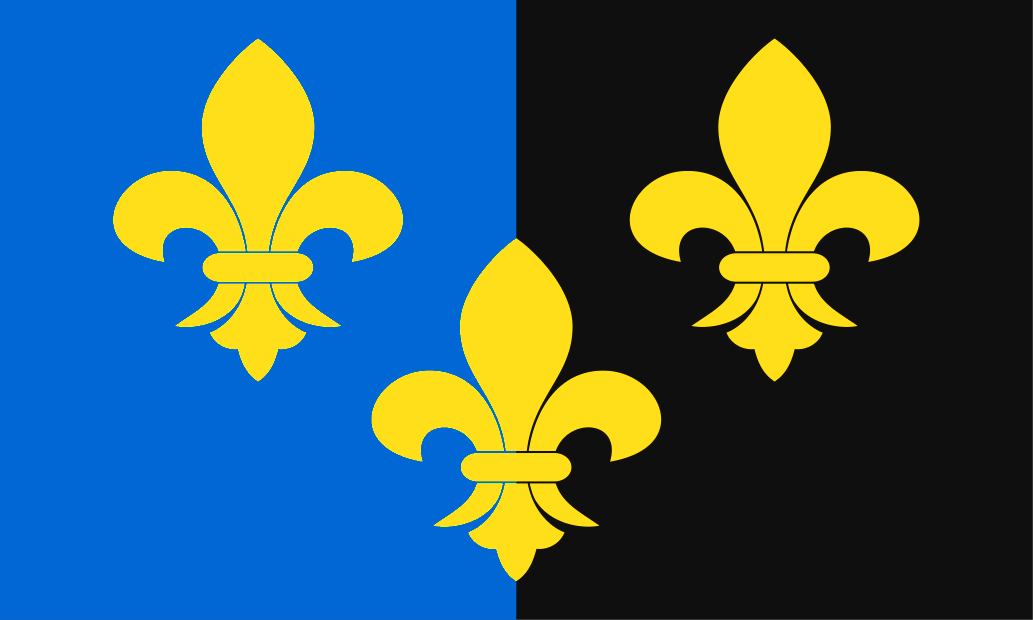
Monmouthshire
Sir Fynwy
County Day 25 September
✨ England/Wales borderland
👑 County from early 16C
🏰 Monmouth and Newport
🖋️ County of Monmouth
A border county of castles, abbeys and rivers. 🏰🌊
Read More
Monmouthshire is a maritime county in south-east Wales, with the Black Mountains stretching into its north-east. Much of eastern Monmouthshire is agricultural, dotted with picturesque villages. The main towns include Monmouth, Chepstow, Abergavenny, and Usk.
The north-west contains former mining valleys that remain densely populated, with towns such as Ebbw Vale, Tredegar, Blackwood, Newbridge, and Pontypool. The Blaenavon Industrial Landscape is recognised as a World Heritage Site.
Further south, Cwmbran was designated a new town in 1949, while Newport, on the River Usk, grew from a medieval borough with a castle into a major city.
Monmouthshire is particularly celebrated for its historic ruins: Tintern Abbey and Llanthony Priory; castles including Abergavenny, Chepstow, Grosmont, Raglan, Skenfrith, White, and Usk; and its Roman towns at Caerwent and Caerleon.

Montgomeryshire
Sir Drefaldwyn
County of Montgomery
✨ Roger de Montgomerie
👑 County from 1284
🏰 Named Montgomery town
🖋️ Recorded as Montgomeri
A mid-Wales county of hills, markets and castles. 🏞️🏰
Read More
Montgomeryshire is a mountainous county in mid-Wales, largely lying in the heart of the Cambrian Mountains. Its rugged slopes provide high sheep pastures, sparsely populated except for scattered farmsteads and hamlets.
The western part of the county reaches toward the Dyfi estuary, stopping just above the waters. In the Dyfi valley lies Machynlleth, historically notable as the seat of Owain Glyndŵr’s Parliament in 1404.
The River Severn rises in Montgomeryshire and flows through much of the south and west. Llanidloes, an ancient town named after a 7th-century saint, lies along its course, followed by Newtown, the county’s largest town.
In the east, a string of Norman castles punctuates the landscape, including Powis Castle near Welshpool, a town known for its fine Georgian architecture. Montgomery Castle, founded by Roger de Montgomery, commemorates its Norman founder.
Offa’s Dyke runs along the county’s eastern border, marking the historical boundary with England.

Morayshire
Moireibh
County of Moray/Elgin
✨Once the Kingdom of Moray
👑 Sheriffdom by 12th century
🏰 Elgin became county town
🖋️ Ancient docs: Elgin & Forres
Northern county of cathedrals, coasts and clans. ⛪🌊
Read More
Morayshire is a maritime county on the south coast of the Moray Firth. The coastline is mostly low and sandy, supporting a mix of fishing and farming, with the Firth rich in haddock and cod.
The county’s main town, Elgin, lies slightly inland on the River Lossie, dominated by the ruins of its 13th-century cathedral. Downstream, Lossiemouth is a fishing village, notable also for its RAF base.
Findhorn Bay lies further east, while Forres, near the bay, is historically famed as the setting of King Duncan’s palace in Shakespeare’s Macbeth.
Inland, Morayshire consists of fertile valleys divided by low hills, producing crops and livestock. Further south, the land rises toward the southern mountains, traversed by the rivers Spey, Lossie, and Findhorn.
The Spey valley is renowned for salmon fishing. The far south of the county includes Grantown-on-Spey, founded in 1765 as a planned settlement.

Nairnshire
Siorrachd Inbhir Narann
County of Nairn
✨ Northern coastal county
👑 Sheriffdom by 12th century
🏰 Nairn became county town
🖋️ Records style it Nairnscyre
A small Highland shire of fishing and farming folk. 🐟🌾
Read More
Nairnshire is a maritime county on the Moray Firth. The county features a flattish coastal region, home to the town of Nairn—a popular seaside resort—and a few small villages.
Inland, the county rises to sparsely populated moorlands known as the Nairnshire Hills, reaching 2,162 feet at Carn-Glas-Choire, the southernmost point of the county and the foothills of the Grampian Mountains.
The coast and countryside are noted for their picturesque scenery and woodlands. Nairn is celebrated for The Links, one of Scotland’s finest golf courses. Nearby, Fishertown’s harbour, designed by Thomas Telford, highlights the county’s maritime heritage.
The 18th-century Dulsie Bridge spans a dramatic gorge on the River Findhorn, while Cawdor Castle, a 15th-century tower house with later additions, stands amid beautiful gardens. Though Shakespeare’s Macbeth is famously Thane of Cawdor, the historical Macbeth lived in the 11th century.
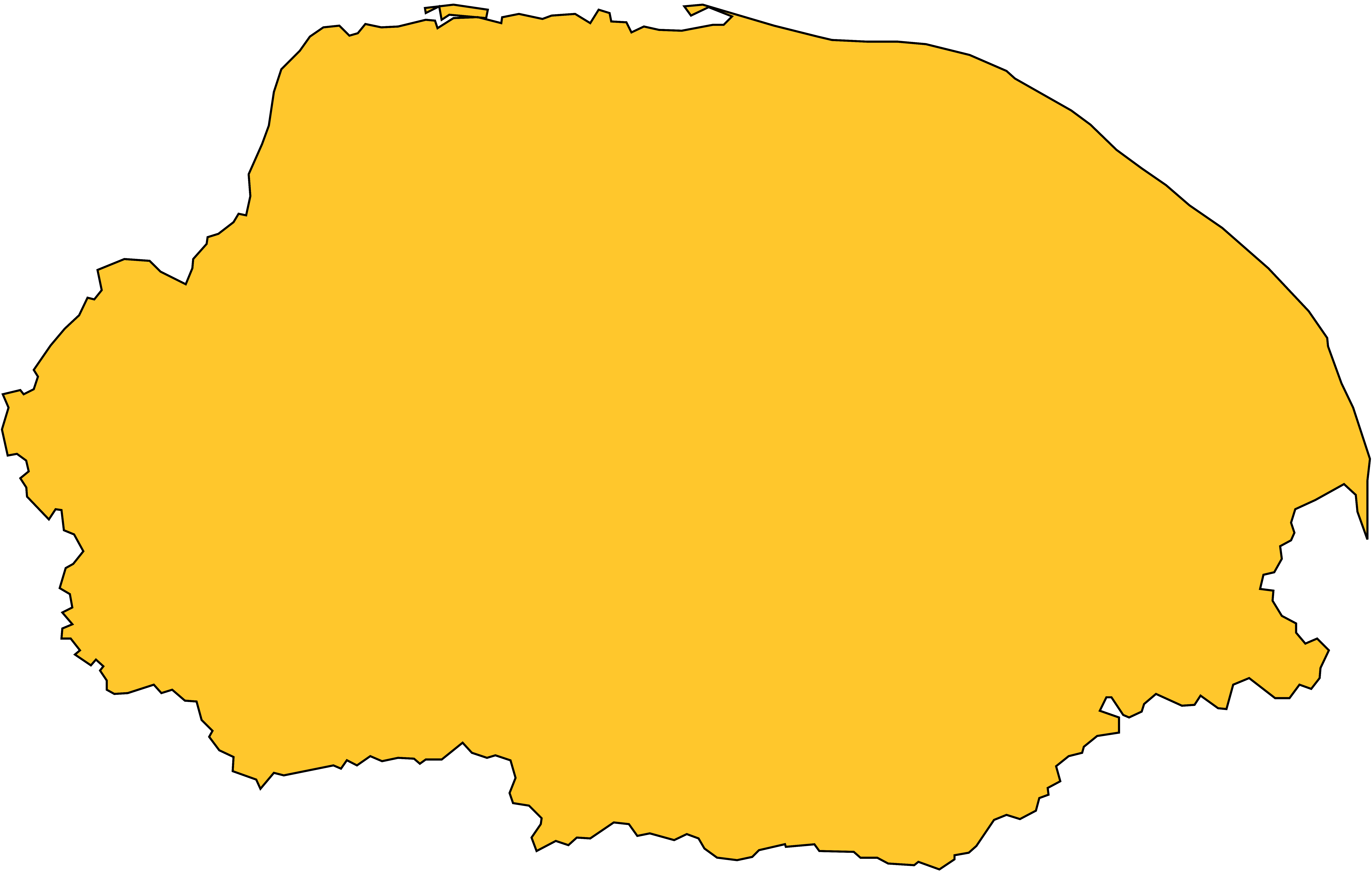
Norfolk
County of Norfolk
County Day 27 July
✨ “North folk” of East Angles
👑 Formed from 7C kingdom
🏰 County by the 10th century
🖋️ 1086: ‘richly populated’
County of flatlands, ports, proud East Anglian roots. 🌾⚓
Read More
Norfolk is a maritime county in East Anglia, renowned for its flat, mainly rural landscape. The north-west corner borders the Wash and the edge of the Fens, home to the historic port of King’s Lynn and the nearby market town of Downham Market.
South-east of the Fens lies Breckland, an expanse of open heathland, while western Norfolk is largely agricultural, with market towns including Swaffham, Watton, and Fakenham. Dereham proudly calls itself “The Heart of Norfolk.”
The city of Norwich dominates the east, with its iconic cathedral boasting one of England’s highest spires and longest naves. South-east, the Broads form a network of navigable rivers and lakes, created by flooded peat workings.
Norfolk’s coastline features popular seaside resorts such as Great Yarmouth and Cromer, while the north—Cley next the Sea and Blakeney—attracts birdwatchers, and Hunstanton faces westward onto the Wash.

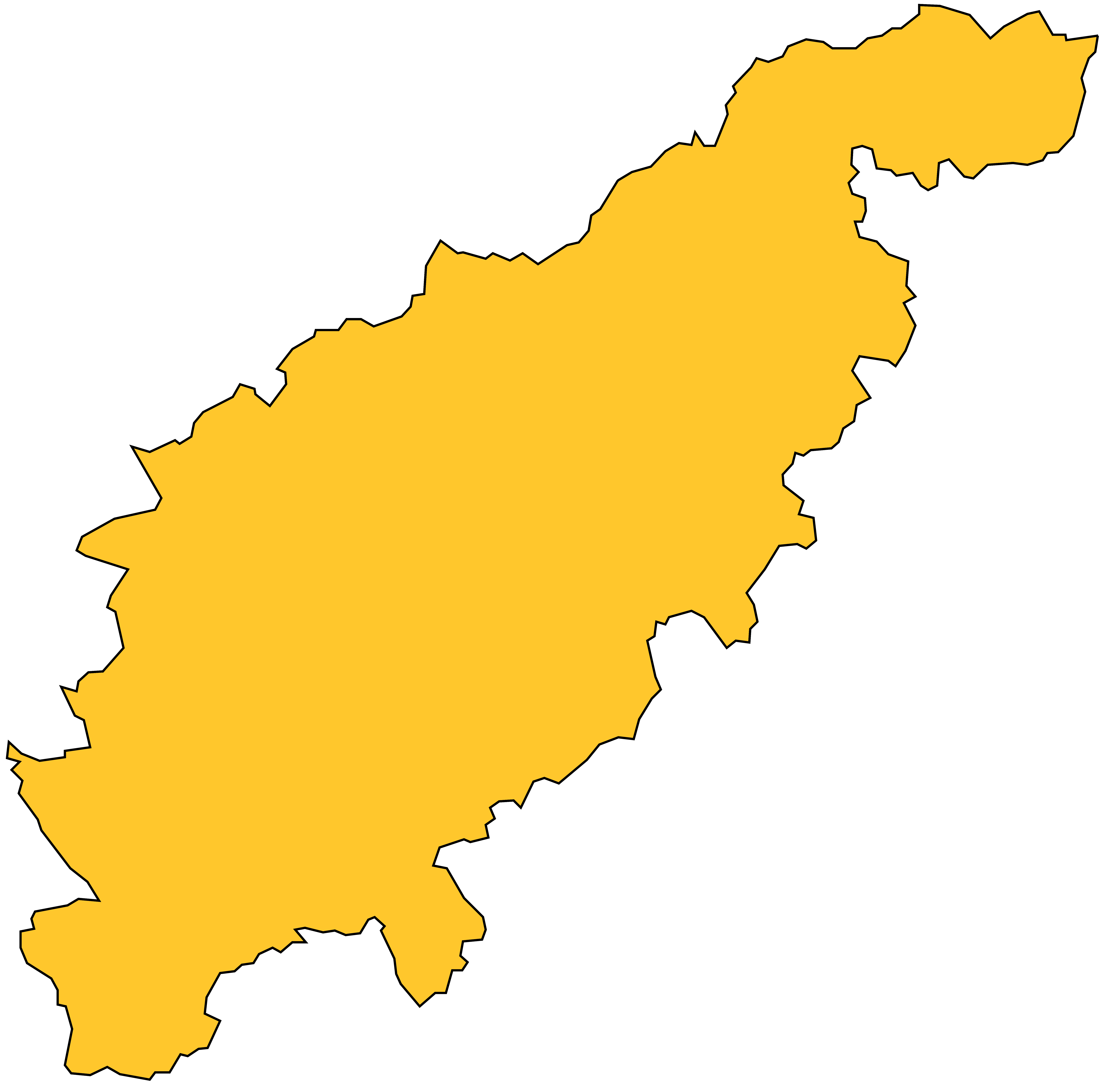
Northamptonshire
County of Northampton
County Day 25 October
✨ Anglo-Saxon burh
👑 County from 10th century
🏰 Key crossroads of England
🖋️ 1086: ‘Northamtunescire’
A Midland county at the heart of England’s crossroads. 🏰🛤️
Read More
Northamptonshire is an inland county in the Midlands, often called “The Rose of the Shires.” The south-west is largely rural, with small towns including Towcester, Daventry, and Brackley.
Northampton, the county town, sits on the River Nene, a traditional market town now surrounded by modern suburbs. To the north-east, the county becomes more industrial, with towns like Rushden, Wellingborough, Kettering, and Corby forming a belt of industry.
Beyond these, the landscape returns to rural charm, the main settlement being the ancient market town of Oundle. The far north-east comprises the Soke of Peterborough, centred on the historic cathedral city of Peterborough.
Historical highlights across Northamptonshire include the Geddington Eleanor Cross and the remains of Fotheringhay Castle.


Northumberland
County of Northumberland
Last Sunday in May
✨ Kingdom of Bernicia
👑 England/Scotland borders
🏰 Castles, battlefields, hills
🖋️ County by the 12th century
A borderland of kings, saints and warriors. ⚔️🏔️
Read More
Northumberland is a maritime county in the far north-east of England, renowned for its dramatic and contrasting landscapes.
The coastline along the North Sea, from Berwick-upon-Tweed to Tynemouth, is jagged and stony, dotted with castles and religious sites, reflecting its long and often turbulent history. Lindisfarne (Holy Island) is especially famous as the first Christian missionary centre in Northumbria.
Inland, the county features fells and dales, with numerous castles and peel towers, remnants of its more lawless times.
The south, around the Tyne and Blyth valleys, is more urbanised, including Newcastle upon Tyne, Wallsend, and North Shields, a region with a rich industrial, economic, and cultural heritage. Hexham, in the south-west, is an ancient market town dominated by Hexham Abbey.


Nottinghamshire
County of Nottingham
County Day 25 August
✨ Danish and Saxon centre
👑 Shire by 10th century
🏰 Sherwood legends
🖋️ 1086: ‘Snotinghamscire’
A county of forest, folklore and medieval towns. 🌲🏹
Read More
Nottinghamshire is an inland county in the English Midlands, distinguished by a blend of urban centres, historic towns, and rural landscapes. In the south-west, Nottingham forms a substantial urban area, encompassing its suburbs and satellite towns.
The city’s heart is dominated by the mediæval Nottingham Castle, perched on a sandstone hill overlooking the River Trent. From there, the Trent flows north-east to Newark-on-Trent, a town noted for its castle and historic marketplace, while nearby Southwell boasts a cathedral of notable architectural interest.
Much of the east of the county remains agricultural, with open fields and small villages. North of Nottingham, the west of the county is traditionally known as “The Dukeries,” so named for its several great estates. This area later became known for the mining settlements of the Dukeries Coalfield, including Mansfield, Sutton-in-Ashfield, and Worksop, the latter earning the title “Capital of the Dukeries.”
Surrounding Worksop lie remnants of Sherwood Forest, legendary for its association with Robin Hood. The northern part of Nottinghamshire retains its rural character, with market towns such as Retford nestled among farmland and gentle countryside.


Orkney
Arcaibh
County Day 16 April
✨ Norse earldom from 9thC
👑 Scottish crown from 1472
🏰 St Magnus Cathedral
🖋️ County by Middle Ages
A Norse-Scottish county of isles and seafaring. ⚓🏝️
Read More
Orkney is a county formed from the archipelago of the same name, consisting of over seventy islands and skerries, though fewer than a third are inhabited.
The largest and central island is Mainland, around which the other islands are scattered. To the north lie Shapinsay, Rousay, Egilsay, Westray, Papa Westray, Stronsay, Sanday, and North Ronaldsay, the furthest of the archipelago.
From the south-east edge of Mainland, a series of causeways constructed during the war connects southwards to Burray and then to South Ronaldsay. Hoy, to the southwest, is distinguished by its mountainous terrain.
The remaining islands are generally low, rocky, and treeless, though some feature small areas of cultivation. Kirkwall, the largest town, sits on Mainland and is dominated by St Magnus’s Cathedral, an impressive Norse edifice built by Earl Røgnvald.
The islands are rich in prehistoric heritage, with numerous standing stones, burial mounds, and ancient monuments scattered throughout.


Oxfordshire
County of Oxford
County Day 19 October
✨ Ford of oxen: 1st record 912
👑 County by early 10th C
🏰 Oxford University from 12C
🖋️ Domesday: Oxenefordscire
A shire of scholars, rivers and rolling countryside. 📚🌊
Read More
Oxfordshire is an inland county, notable for its mix of rolling countryside, historic towns, and cultural landmarks. The Cotswolds stretch into the west, where towns such as Chipping Norton and Burford display the region’s quintessential charm.
On the eastern edge of the Cotswolds lie Witney, an ancient market town, and Carterton, a 20th-century settlement. The north of the county remains largely rural, punctuated by two significant market towns: Banbury, celebrated in song and renowned for its Banbury cakes, and Bicester, with Saxon origins.
At the heart of Oxfordshire stands Blenheim Palace, the grand birthplace of Winston Churchill. The southern portion lies within the Thames Valley, with the river forming its entire southern border and providing a setting for picturesque villages.
Oxford itself is dominated by its historic university, with colleges and ancient buildings shaping the cityscape. Dorchester on Thames was a monastic centre from Saxon times, while Henley on Thames is famed for its rowing regatta.


Peeblesshire
Siorrachd nam Pùballan
Tweeddale
✨ Upper Tweeddale
👑 Shire from 12th century
🏰 Named from Peebles town
🖋️ ‘Tweeddale’ in charters
A Borders shire of valleys, wool and rivers. 🐑🌊
Read More
Peeblesshire is an inland county in the Southern Uplands of Scotland, sometimes referred to as Tweeddale. The River Tweed rises at Tweed’s Well in the southern reaches, flowing north-east through the heart of the shire to Peebles.
Upper Tweeddale is celebrated for its scenic beauty, with rolling hills and river valleys attracting visitors seeking tranquil landscapes. Peebles itself, once a spa town, remains a popular holiday destination, while Innerleithen, known from Sir Walter Scott’s novel St Ronan’s Well, continues the spa tradition.
Nearby Traquair House holds the distinction of being Scotland’s oldest continually inhabited house. To the north-east, Glentress Forest spreads over a vast area of Scots Pine, Douglas firs, spruce, and larch. The ancient village of West Linton is known for its traditional festival, The Whipman Play, while to the north-west rise the scenic Pentland Hills.

Pembrokeshire
Sir Benfro
County Day 1 June
✨ Welsh, Irish, Norse
👑 Lordship then county 13C
🏰 Haverfordwest
🖋️ ‘Penbrokeshire’ in records
A coastal county of castles, saints and seafarers. ⚓⛪
Read More
Pembrokeshire is a maritime county in west Wales, famed for its dramatic and varied coastline. The county stretches from the Teifi estuary southward to the broad sands at Newport, past rugged cliffs and headlands, including Fishguard, to the St David’s Peninsula opposite Ramsey Island.
St David’s, founded by Wales’ patron saint in 550, remains a spiritual and historical heart of the county. Beyond the peninsula, the coast opens into St Bride’s Bay, with the Marloes Peninsula hosting seabird sanctuaries such as Skomer and Skokholm.
Milford Haven supports major ports, while Pembroke is dominated by its castle. The southern coastline includes popular seaside resorts like Saundersfoot and Tenby. Inland, Pembrokeshire is mostly rolling countryside with small villages, and Haverfordwest serves as the principal market town.


Perthshire
Siorrachd Pheairt
County of Perth
✨ Heart of medieval Scotland
👑 Sheriffdom by 12th century
🏰 Perth: early capital city
🖋️ Medieval charters: ‘Perthe’
Great Highland-Lowland county of kings & rivers. 👑🏔️
Read More
Perthshire is a large inland county straddling the boundary between the Scottish Highlands and Lowlands. Its principal towns lie in the south-east, nestled in the dales of the Rivers Tay and Earn. Perth, the Dark Age capital of Scotland, sits on the River Tay, with the historic site of Scone Abbey nearby, long the coronation place of Scottish kings.
To the east, Strathmore valley stretches into Angus, with the Sidlaw Hills rising to its south. The northern reaches are dominated by the Grampian Mountains, with Pitlochry offering a Victorian resort and the Forest of Atholl covering 100,000 acres of ancient deer forest.
The county’s north is rich in lochs, including Loch Tay, Loch Tummel, and Loch Rannoch, with Rannoch Moor to the west. The far west contains the Crianlarich Hills, while south of the Grampians, Strathearn presents gentler farmland. The Trossachs in the south-west are celebrated for their scenic woodland glens.

Radnorshire
Sir Faesyfed
County of Radnor
✨ Maelienydd & Elfael lands
👑 Formed as county 1536
🏰 Presteigne is county town
🖋️ Records call it Radnor
A border county of hills, forests and marches. 🌲🏞️
Read More
Radnorshire, or Sir Faesyfed, is a county in mid-Wales defined by rolling hills, rivers, and historic towns.
Its far west rises into the Cambrian Mountains, through which the River Wye flows from its source in Cardiganshire down to the ancient town of Rhayader. Southward, the Wye forms the border with Brecknockshire, passing Newbridge-on-Wye and the Victorian spa town of Llandrindod Wells, which retains many ornate buildings.
Further along, the river flows past Llanelwedd and the ruins of Aberedw Castle, once the residence of Llewelyn ap Gruffydd, before reaching the area near Hay-on-Wye, where Radnorshire meets Brecknockshire and Herefordshire.
At the county’s heart lies Radnor Forest, a landscape of moors, woods, and rivers, while New Radnor, founded by Earl Harold Godwinson, and Presteigne, the historic county town on the border with Herefordshire with its splendid Georgian Shire Hall, preserve the county’s historic charm.
The border with Shropshire follows the Teme Valley, a stretch of picturesque countryside dotted with the market town of Knighton, while the sparsely populated north of Radnorshire holds the evocative ruins of Cwmhir Abbey.
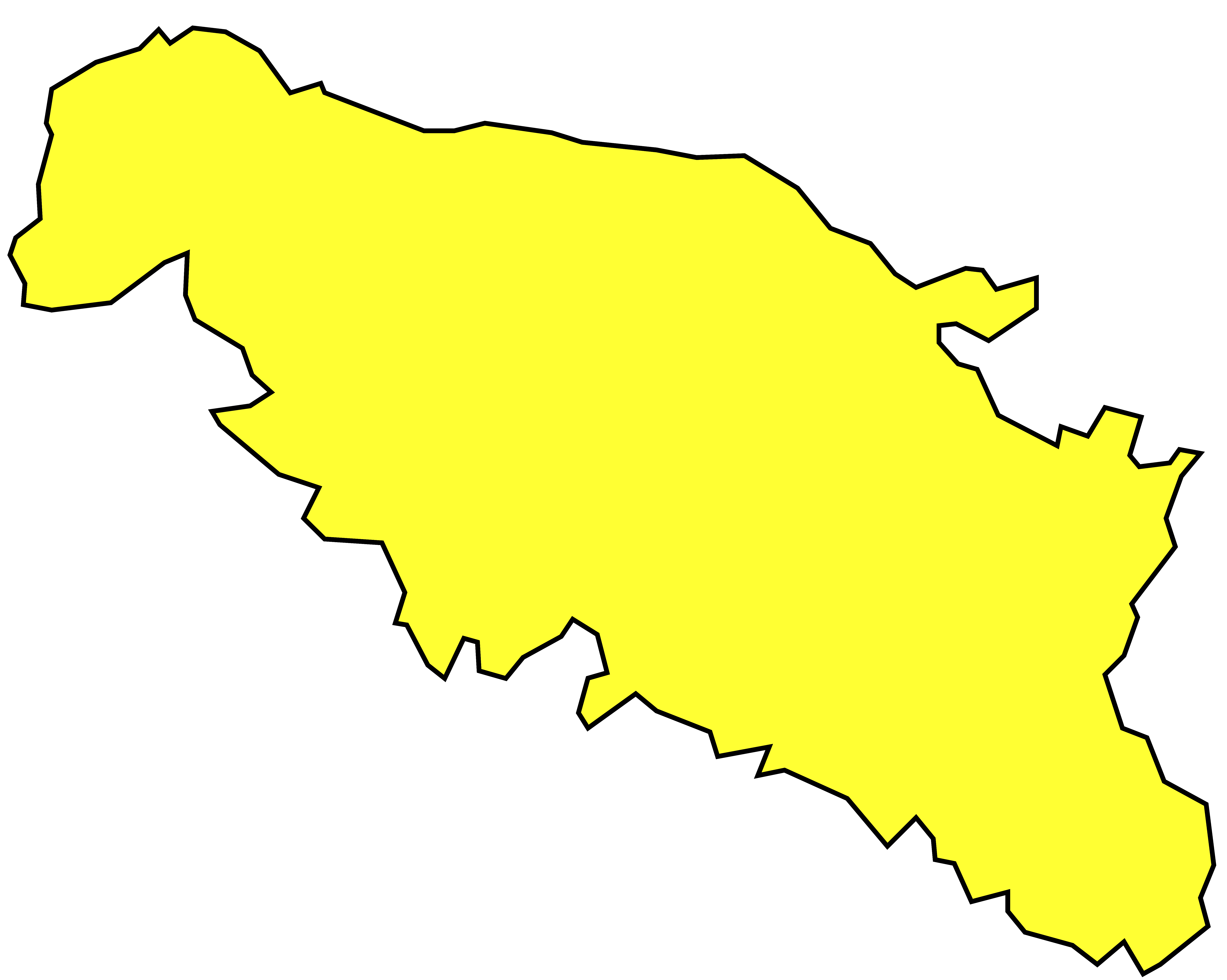
Renfrewshire
Siorrachd Rinn Friù
County of Renfrew
✨ Land of the Stewarts
👑 Sheriffdom by 12th century
🏰 Renfrew and Paisley towns
🖋️ ‘Reinfrew’ in charters
A royal shire — cradle of Scotland’s kings. 👑🏰
Read More
Renfrewshire is a maritime county on the south bank of the River Clyde, west of Glasgow. Much of the population is concentrated near the city or along the coast.
The south-western parts of Glasgow—including Langside, Pollokshields, and Shawlands—fall within the county, alongside suburban towns such as Clarkston, Thornliebank, and Newton Mearns, notable for its 15th-century tower house.
Paisley, the largest town, was historically a centre of weaving and is home to Paisley Abbey.
The county town, Renfrew, sits on the Clyde, with shipbuilding continuing at Port Glasgow. Greenock serves as a major port, while Gourock offers a seaside resort.
Inland, the landscape rises into low moorland, culminating in the Renfrewshire Heights.
Ross-shire
Siorrachd Rois
County of Ross
✨ Ancient Pictish province
👑 Shire from the 13th century
🏰 Dingwall = county town
🖋️ Charters style it Rossia
Highland county of mountains, firths and clans. 🏔️⚓
Read More
Ross-shire is a maritime county in the Scottish Highlands, stretching from the North Sea in the east to the Atlantic Ocean in the west. The county is renowned for its dramatic landscapes, soaring mountains, and breathtaking glens.
Geographically, it is divided into Wester Ross and Easter Ross. Wester Ross features rugged mountain scenery, including the Torridon Hills, and a deeply indented coastline with sea lochs and islands. Easter Ross offers a gentler coastline and fertile farmland, notably on the Black Isle. Dingwall, the Royal Burgh, sits at the head of the Cromarty Firth as a historic hub.
The county also encompasses the Isle of Lewis, largely low-lying and covered in peat, with Stornoway as its principal town. Ross-shire is rich in historical relics, blending natural beauty with a deep heritage.

Roxburghshire
Siorrachd Rosbruig
County of Roxburgh
✨ Borders land of Roxburgh
👑 Shire by 12th century
🏰 Jedburgh and Roxburgh
🖋️ ‘Rokesburg’ in charters
A Borders county of abbeys, battles and marches. ⚔️⛪
Read More
Roxburghshire is an inland county in the Scottish Borders, stretching across the northern Cheviot Hills. The fertile valley of Teviotdale defines much of the county’s landscape.
Towns such as Hawick, with its sandstone and slate architecture, and Jedburgh, dominated by the ruins of Jedburgh Abbey, reflect the county’s historic character.
The River Teviot flows east to join the Tweed at Kelso, a market town with a French-style cobbled square. Nearby lie the remains of Roxburgh Castle, once a strategic stronghold.
The south-west encompasses Liddesdale, home to Hermitage Castle, while the north features the Eildon Hills near Lauderfoot. Melrose, on the banks of the Tweed, is famed for its evocative abbey, further enriching Roxburghshire’s scenic and historical heritage.

Rutland
County of Rutland
County Day 13 September
✨ Motto = Multum in Parvo
👑 Lordship > county by 1159
🏰 England’s smallest county
🖋️‘Roteland’ in 12C records
A little county with a long, proud independence. 🦌🏡
Read More
Rutland is an inland county in the English Midlands and holds the distinction of being the smallest in England.
The county is almost entirely agricultural, dotted with charming villages where cottages of limestone and ironstone, often with thatched or Collyweston stone slate roofs, give a timeless character.
In the west, the Vale of Catmose forms a low-lying expanse, hosting the larger of Rutland’s two towns, Oakham. This delightful market town centres around a small square and market cross, and Oakham Castle, a fortified manor house, boasts an important 12th-century great hall.
To the south, around Uppingham, the land rises into broken, picturesque scenery. Uppingham itself is a small market town renowned for its historic public school.
At Lyddington, the Bede House forms part of a medieval palace of the Bishops of Lincoln. Rutland Water, a large reservoir created by damming the River Gwash, is a wetland of international importance, providing both natural beauty and a haven for wildlife.
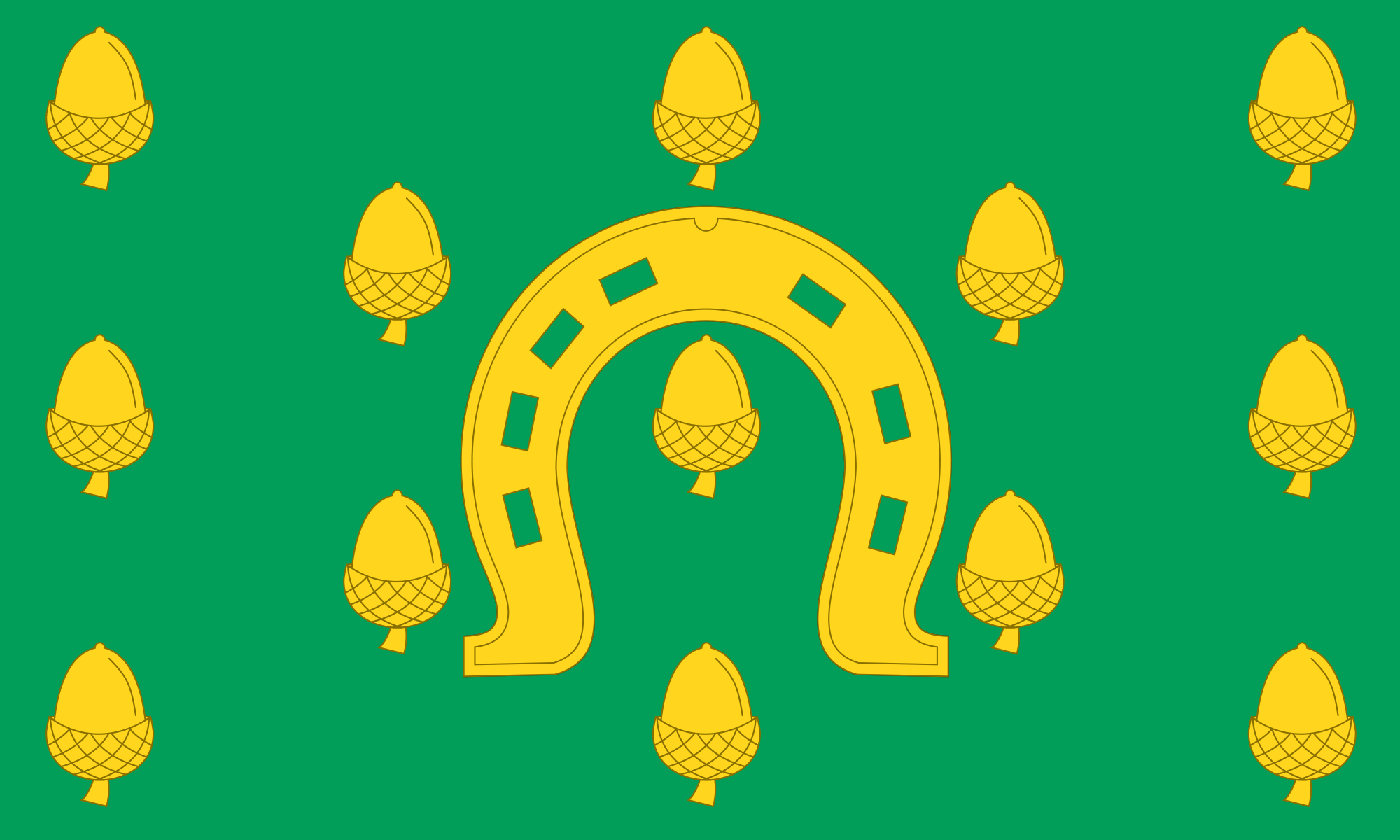

Selkirkshire
Siorrachd Shailcirc
County of Selkirk
✨ Ballads and border reivers
👑 Shire by the 12th century
🏰 Named from Selkirk town
🖋️ ‘Soukirke’ in charters
A small Borders county of forests and legends. 🌲🎶
Read More
Selkirkshire is an inland county nestled in the Southern Uplands, characterised by gentle hills, lush greenery, and a landscape well wooded and grazed on the open slopes and valleys.
The western part of the county rises into the Tweedsmuir Hills, where the county’s two principal rivers, the Ettrick and the Yarrow, originate. Both rivers have inspired traditional songs, and the poet Wordsworth penned three poems about the Yarrow. Flowing eastwards, the Yarrow joins the Ettrick at Meetings Pool.
Among Selkirkshire’s historic houses, Bowhill House stands as an 18th-century country estate, while within its grounds lie the ruins of Newark Castle, a 15th-century tower house. The town of Selkirk, one of Scotland’s oldest Royal Burghs, is famed for its bannocks, a traditional dry fruit cake.
In the north-east, the Tweed crosses the county, meeting the Ettrick just below Selkirk, while Galashiels sits on the Gala Water near its confluence with the Tweed, forming a charming part of the county’s scenic and historic heart.
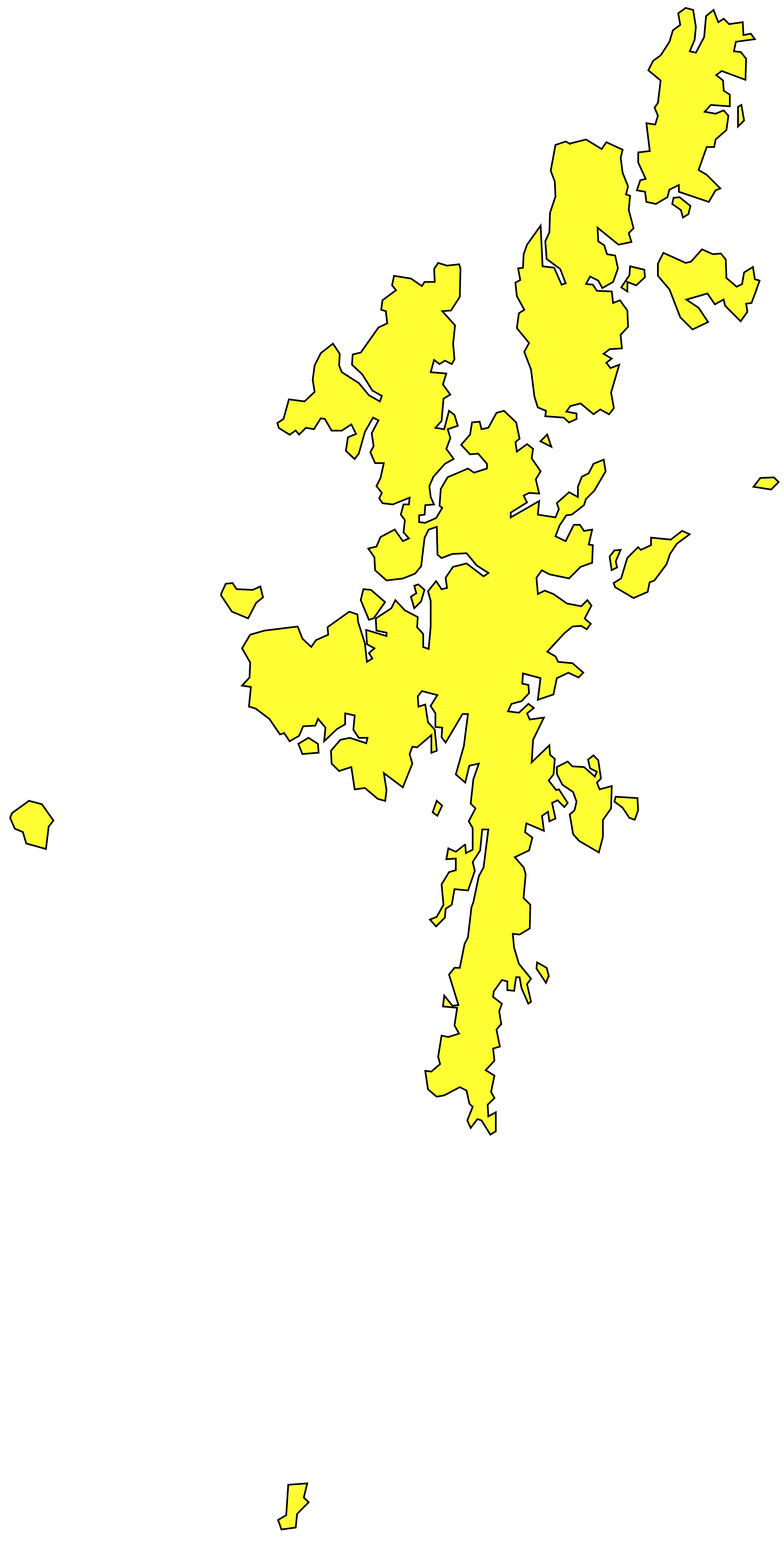
Shetland
Sealtainn / Zetland
County Day 21 June
✨ Norse ‘Hjaltland’ 9C
👑 Scottish crown from 1472
🏰 Lerwick = county town
🖋️ ‘Zetland’ in early records
Island county of Norse sagas and northern seas. ⚓❄️
Read More
Shetland is a county formed from a northern archipelago of over a hundred islands, of which around sixteen are inhabited. The largest island is Mainland, with Lerwick as its main town and port on the east coast, sheltered by nearby Bressay.
Scalloway, on the west coast, is a historic fishing port, while Law Ting Holm in the Loch of Tingwall once hosted Shetland’s parliament. Other notable islands include Yell, Unst, Fetlar, Whalsay, East and West Burra, and the remote Foula, Fair Isle, and Out Skerries.
The islands are largely rocky, mountainous, and steep, and are exceptionally rich in prehistoric remains, bearing witness to a long and storied human history.

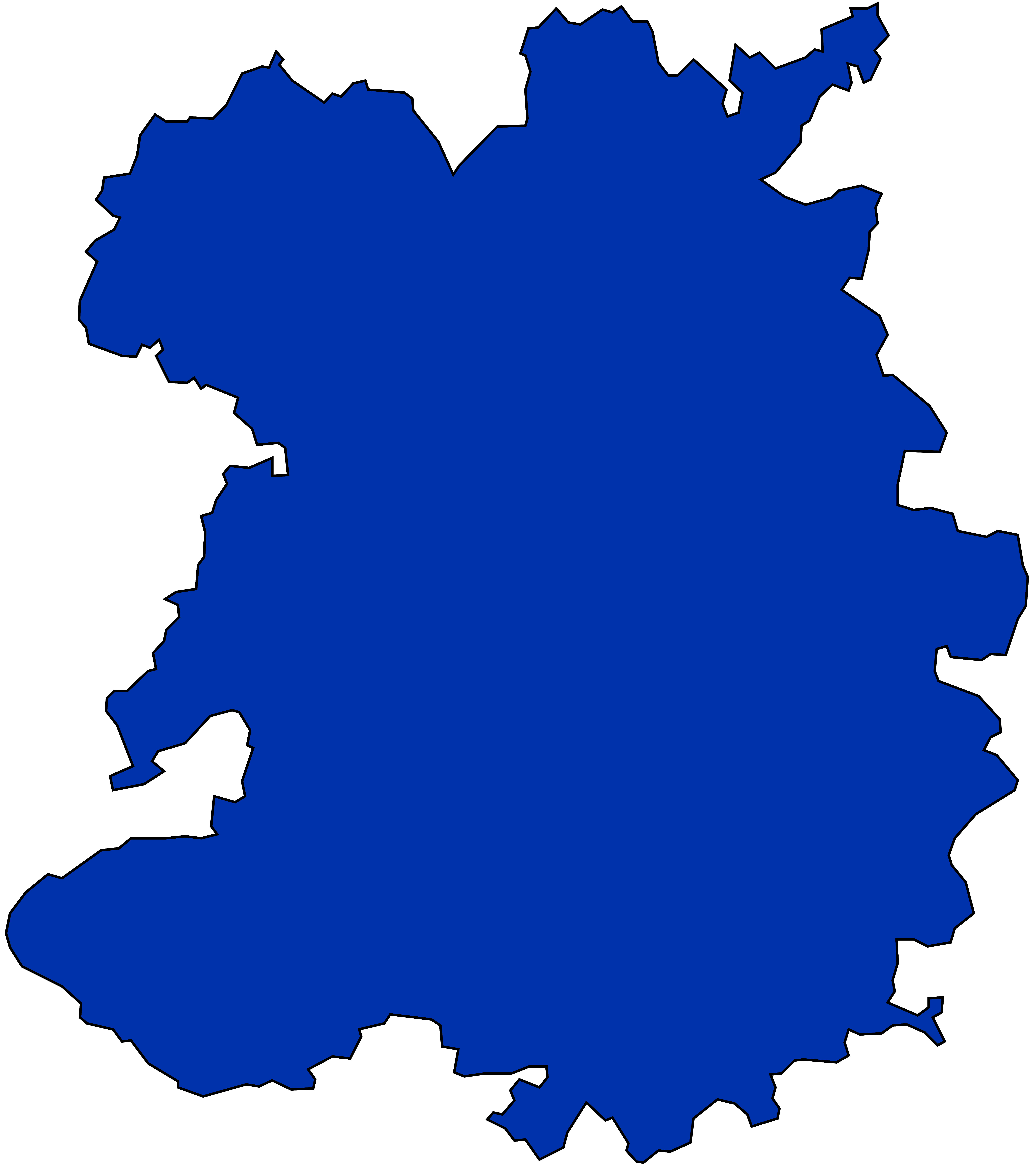
Shropshire
County of Salop
County Day 23 February
✨ ‘Scrobbesbyrigscir’
👑 County from c.10C
🏰 Key marcher shire
🖋️ Domesday: Scrobbescire
A border county of hills, castles and strongholds. 🏰🏞️
Read More
Shropshire is an inland county in the west Midlands, notable for its diverse landscapes: bold mountains, wooded valleys, fertile plains, majestic rivers, and serene lakes.
The River Severn winds through the county, encircling Shrewsbury and forming a rich floodplain. Iconic landmarks include the Iron Bridge spanning the Severn Gorge and the solitary Wrekin hill near Telford.
North Shropshire offers gentle plains dotted with meres around Ellesmere, while the west hosts Oswestry. South of the Severn, the Shropshire Hills present high, rounded hills, deep valleys, and wooded scenery, exemplifying the county’s natural charm.


Somersetshire
County of Somerset
County Day 11 May
✨ Sumorsaete: Somerton ppl
👑 Shire by 9th century
🏰 Roman and Saxon
🖋️ Domesday: Sumersæte
A county of levels, legends and abbeys. ⛪🌿
Read More
Somerset is a maritime county in the West Country, renowned for its agriculture and traditional cider production. Its coastline features resort towns including Minehead, Weston-super-Mare, Burnham-on-Sea, Watchet, and Clevedon.
Bath, on the River Avon, is famous for Roman-built hot springs and Georgian architecture, while Keynsham and southern districts of Bristol mark the north-east of the county. The Mendip Hills rise to the south, including the dramatic Cheddar Gorge.
The Somerset Levels dominate the county’s centre, crowned by Glastonbury Tor. Wells, a cathedral city, lies east of the Levels, with Bridgwater known for its illuminated Guy Fawkes carnival. Taunton, the county town, carries over a millennium of history, and to the west, Exmoor National Park offers wild, scenic landscapes.
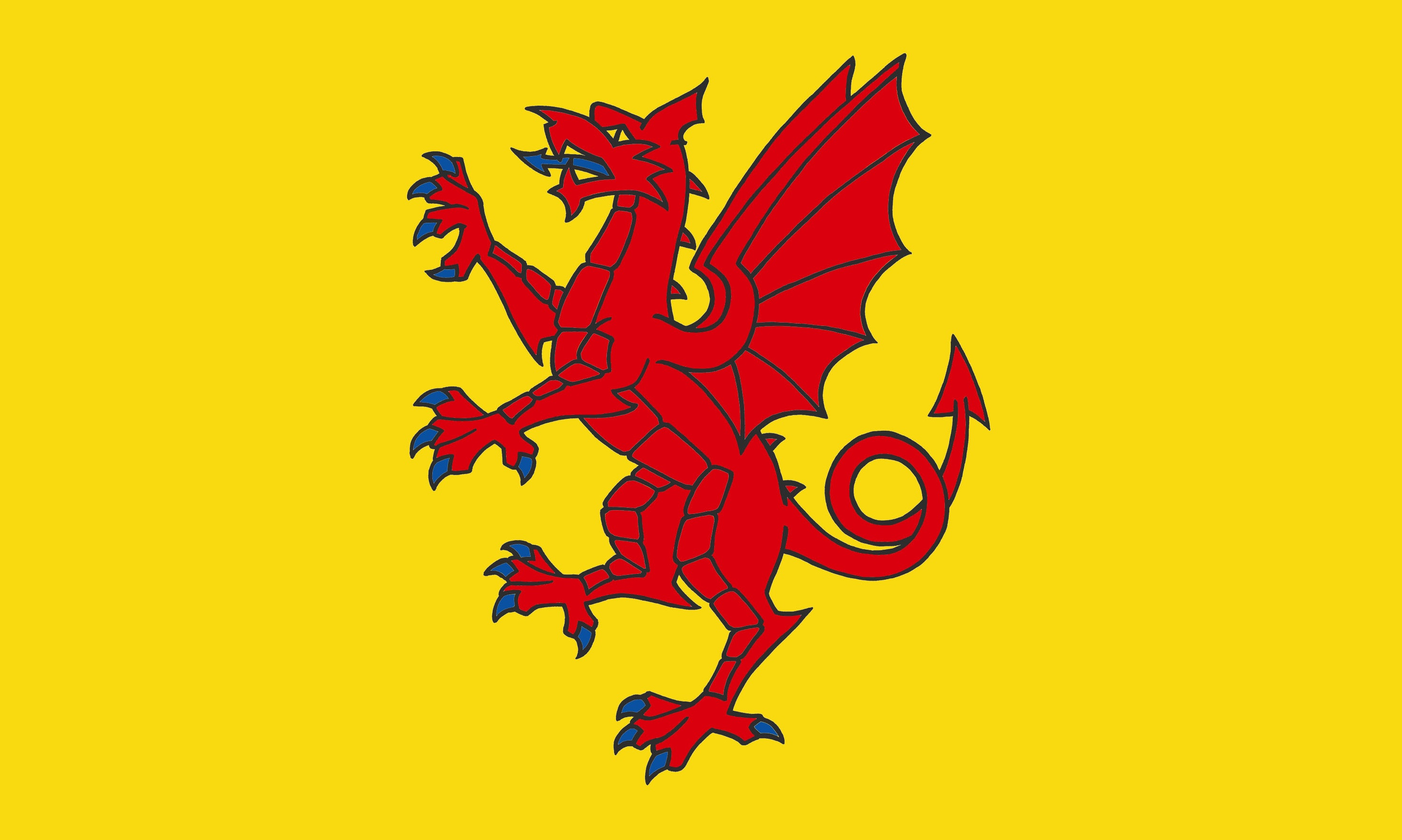

Staffordshire
County of Stafford
County Day 1 May
✨ Ford by the landing place
👑 County c913: Æthelflæd
🏰 Strongholds of Mercia
🖋️ Domesday: Statfordscire
Mercian shire: castles, coalfields and industry. 🏰⚒️
Read More
Staffordshire is an inland county in the English Midlands, known for its striking contrasts between industry, urban life, and natural beauty.
The southern Peak District rises north of Leek, with deep valleys including Dovedale and Beresford Dale, while Cannock Chase offers peaceful heathland.
The county town, Stafford, lies centrally, while Lichfield boasts a three-spired medieval cathedral. Burton-on-Trent is famed for its brewing heritage. Stoke-on-Trent, the Potteries, grew from six towns into a major ceramics centre.
Staffordshire’s south-west forms part of the historic Black Country, including Wolverhampton, West Bromwich, Walsall, and other towns linked to metalworking and industry.
The county blends industrial heritage with rolling hills, valleys, and open heath, creating a vivid and enduringly charming landscape.
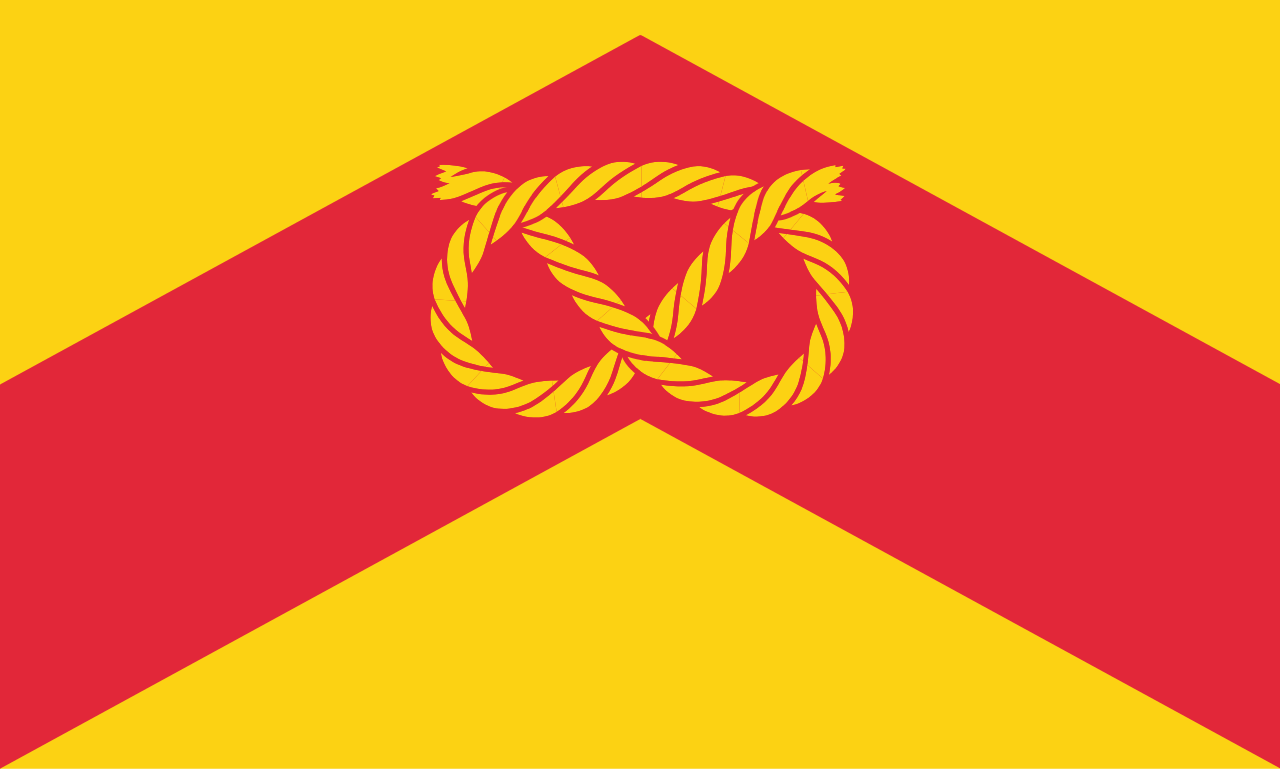
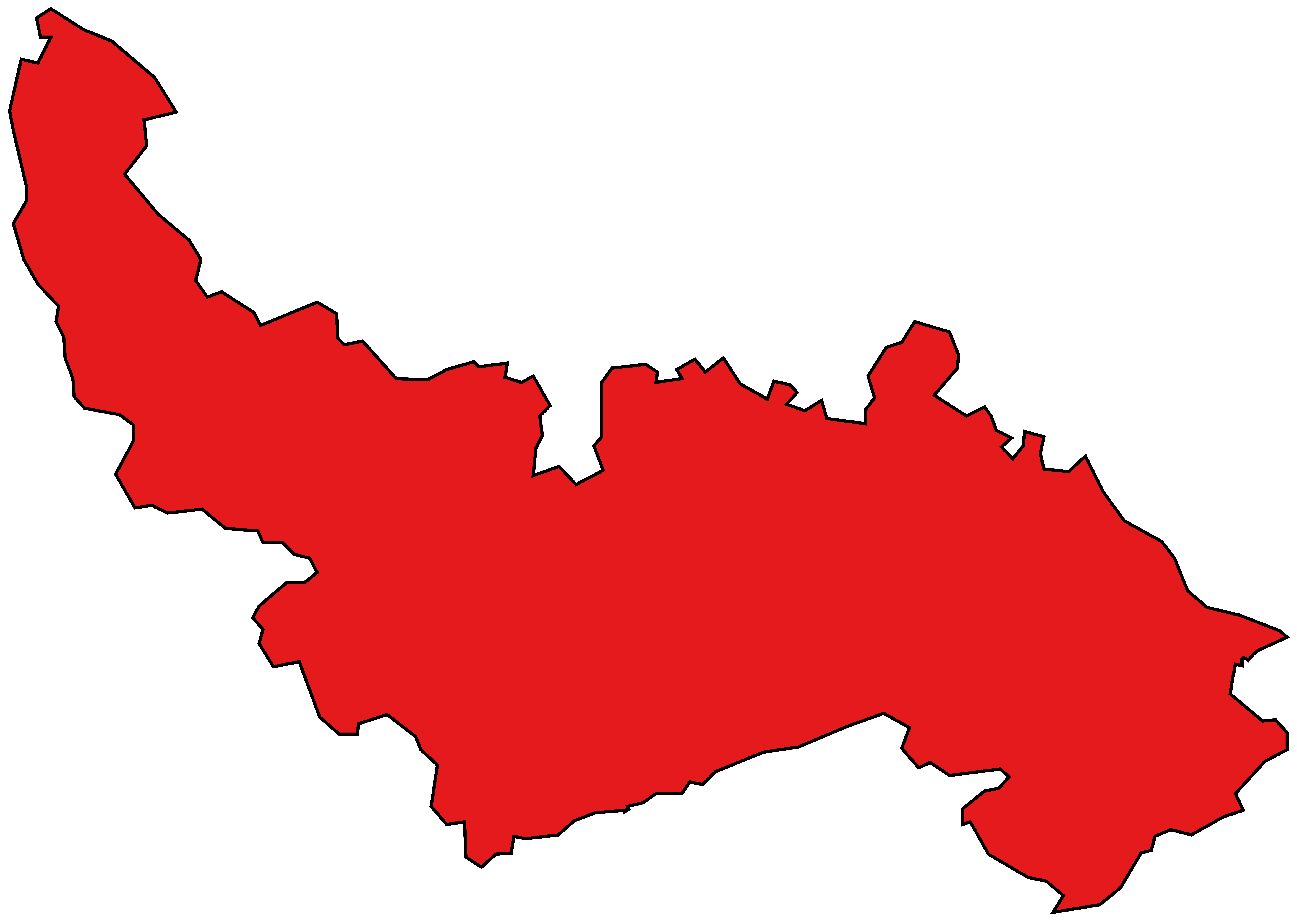
Stirlingshire
Siorrachd Shruighlea
County of Stirling
✨ Stirling = “key to kingdom”
👑 Sheriffdom by 12th century
🏰 Strategically vital
🖋️ Charters call it Strivelyn
A central county of battles, castles and crossroads. ⚔️🏰
Read More
Stirlingshire spans the gateway to the Highlands, stretching from the Firth of Forth in the south-east to Loch Lomond in the north-west.
The Grampian Mountains rise to the north-west, with Ben Lomond as the highest peak. The Lennox Hills, including the Campsie Fells, Kilsyth, Fintry, and Gargunnock Hills, lie at the county’s heart.
Stirling city perches above the River Forth, dominated by its 11th-century castle, with nearby Bannockburn commemorating the famous 1314 battle.
Lennoxtown and Kilsyth occupy upland valleys, while the south-east includes industrial towns such as Bonnybridge, Denny, Falkirk, Larbert, and Stenhousemuir.
The county preserves Roman heritage with a section of the Antonine Wall. Stirlingshire blends rugged uplands, historic sites, and former industrial towns, forming a landscape of strategic and cultural significance.

Suffolk
County of Suffolk
County Day 21 June
✨ South folk of East Angles
👑 County from kingdom 7thC
🏰 Towns and coastal ports
🖋️ Domesday Book: Sudfolc
A county of saints, ports and fertile fields. ⛪⚓🌾
Read More
Suffolk is a maritime county in East Anglia, famed for its picturesque villages. The Stour Valley, known as “Constable Country,” features Cavendish, Clare, Lavenham, and Long Melford, celebrated for thatched roofs and brightly plastered buildings.
The coast is sandy and prone to erosion. Lowestoft, a port and seaside town, lies near Lowestoft Ness, the easternmost point of Great Britain, while Felixstowe, at Landguard Point, serves as a major commercial port. Ipswich, with its medieval and Tudor merchant buildings, lies upriver.
Inland Suffolk is rural, with market towns including Bungay, Beccles, Saxmundham, Woodbridge, and Bury St Edmunds, clustered around St Edmundsbury Abbey. Newmarket, renowned for horseracing, lies in the agricultural heartland, while the north-west meets the fenlands and Breckland stretches across the east.

Surrey
County of Surrey
County Day second Sat in May
✨ Sūþrige: ‘southern district’
👑 A shire by early 9th century
🏰 Royal Guildford & Kingston
🖋️ Domesday Book: Suthrige
A small shire with royal and Saxon roots. 👑🌳
Read More
Surrey is an inland county in southern England, blending urban, suburban, and rural landscapes. The north-east merges with London’s metropolitan area, including affluent towns such as Richmond upon Thames and Kingston upon Thames, alongside districts like Southwark and Lambeth.
Further from London, suburban towns including Sutton, Epsom, Banstead, Cobham, Leatherhead, and Caterham form clusters across the north and east. The River Thames passes through Molesey, Walton-on-Thames, and Weybridge.
Surrey’s geography features the North Downs, a chalk ridge running from Guildford into Kent, with the River Mole cutting a scenic wooded valley.
The River Wey flows through towns such as Godalming and Guildford, while Farnham, along the Hog’s Back ridge, is notable for Tudor and Georgian architecture and a 12th-century castle. Woking lies in the north-west, completing Surrey’s diverse landscape of hills, rivers, and settlements.

Sussex
Kingdom of the South Saxons
County Day 16 June
✨ Kingdom South Saxons 6C
👑 Absorbed by Wessex 9C
🏰 Chichester = bishop’s seat
🖋️ Domesday Book: Suthsexe
A county of downs, coast and Saxon kings. 🌊⛪
Read More
Sussex is a maritime county on England’s south coast, with a history spanning 1,500 years. Its coastline features seaside resorts including Brighton, Hove, Bognor Regis, Worthing, Eastbourne, Hastings, and Bexhill-on-Sea. Brighton is famed for The Lanes and the exotic architecture of the Royal Pavilion.
Rising inland, the South Downs provide rolling chalk hills and dramatic white cliffs at the Seven Sisters and Beachy Head. The River Ouse cuts through the Downs at Lewes, creating a striking gap in the landscape.
Further inland, the Weald is a hilly, wooded district, a remnant of the ancient forest that once covered much of south-east England.
Sussex’s towns include Horsham, East Grinstead, and Crawley, designated a New Town in 1947. In the south-west, Chichester stands as a cathedral city of Roman origin, anchoring the county’s historical and cultural heritage.

Sutherland
Cataibh
County of Sutherland
✨ Norse “southern land”
👑 Shire from the 13th century
🏰 Dornoch = county town
🖋️ ‘Sudrland’ in charters
A Highland county of wild coasts and Norse roots. 🌊🏔️
Read More
Sutherland is a maritime county at Scotland’s northern tip, stretching from the Atlantic to the North Sea. Its rugged Highlands feature mountains, moorlands, and a dramatic coastline.
The north coast alternates between sandy bays and rocky crags, with sea lochs like the Kyle of Tongue and Loch Eriboll punctuating the shoreline.
Small coastal villages such as Durness and Tongue lie along the remote northern coast, while Cape Wrath rises beyond Loch Durness, marking a striking western promontory. The western coast remains sparsely populated, with villages including Lochinver, Scourie, and Kinlochbervie.
The gentler North Sea coast stretches from the Dornoch Firth past Helmsdale, with Dornoch noted for its 13th-century cathedral and Bonar Bridge sitting at the head of the Kyle of Sutherland.
Inland, Sutherland is elevated and wild, dotted with lochs and peat lochans. Lairg lies at the south-eastern tip of Loch Shin, amidst this remote and majestic Highland landscape.

Tyrone
Chontae Thír Eoghain
County Tyrone
✨ Tír Eoghain, Eoghan’s land
👑 Shired 1585
🏰 Dungannon = county town
🖋️ Records call it Tyrowen
A northern county of clans, battles and bogs. ⚔️🌿
Read More
Tyrone is a largely rural county in Northern Ireland, defined by rolling farmland, peaceful valleys, and the rugged Sperrin Mountains to the north. Sawel Mountain, at 2,240 feet, marks the county’s highest point, shared with neighbouring Londonderry.
At the heart of Tyrone lies Omagh, the county town, situated at the confluence of the Drumragh and Camowen rivers, offering tranquil riverside charm. Eastern Tyrone features flat peatlands along Lough Neagh, while the south-east hosts Dungannon, the historic capital of the ancient Kingdom of Ulster, nestled beneath a hill that once bore successive castles.
In the north-west, Strabane lies on the River Mourne, close to the border with County Donegal, completing Tyrone’s varied landscapes of uplands, lowlands, and riverside settlements.

Warwickshire
County of Warwick
Warks
✨ Warwick: weir settlement
👑 Shire c.914 – Æthelflæd
🏰 Castles and market towns
🖋️ Domesday: Warwicscire
Midland shire: castles, cloth & Shakespeare’s fields. 🎭🏰
Read More
Warwickshire is an inland county in the heart of the English Midlands, with landscapes ranging from the gentle Cotswold Hills in the south to fertile farmland and parklands in the north and west.
The southern villages feature classic golden Cotswold stone, while the Felden area and Dunsmore Heath offer open agricultural lands dotted with towns such as Southam, Wellesbourne, Rugby, and Royal Leamington Spa.
Stratford-upon-Avon, Shakespeare’s birthplace, retains much of its Elizabethan charm, while Warwick is home to Warwick Castle and the Beauchamp Chapel.
Coventry’s three cathedrals and industrial heritage contrast with the pastoral beauty of Arden, once forest, now farmland and parkland. Nuneaton holds literary links to George Eliot, and Sutton Coldfield preserves the grandeur of its former Royal Forest in Sutton Park.
The north-west of the county merges into Birmingham, reflecting Warwickshire’s blend of history, culture, and landscapes.

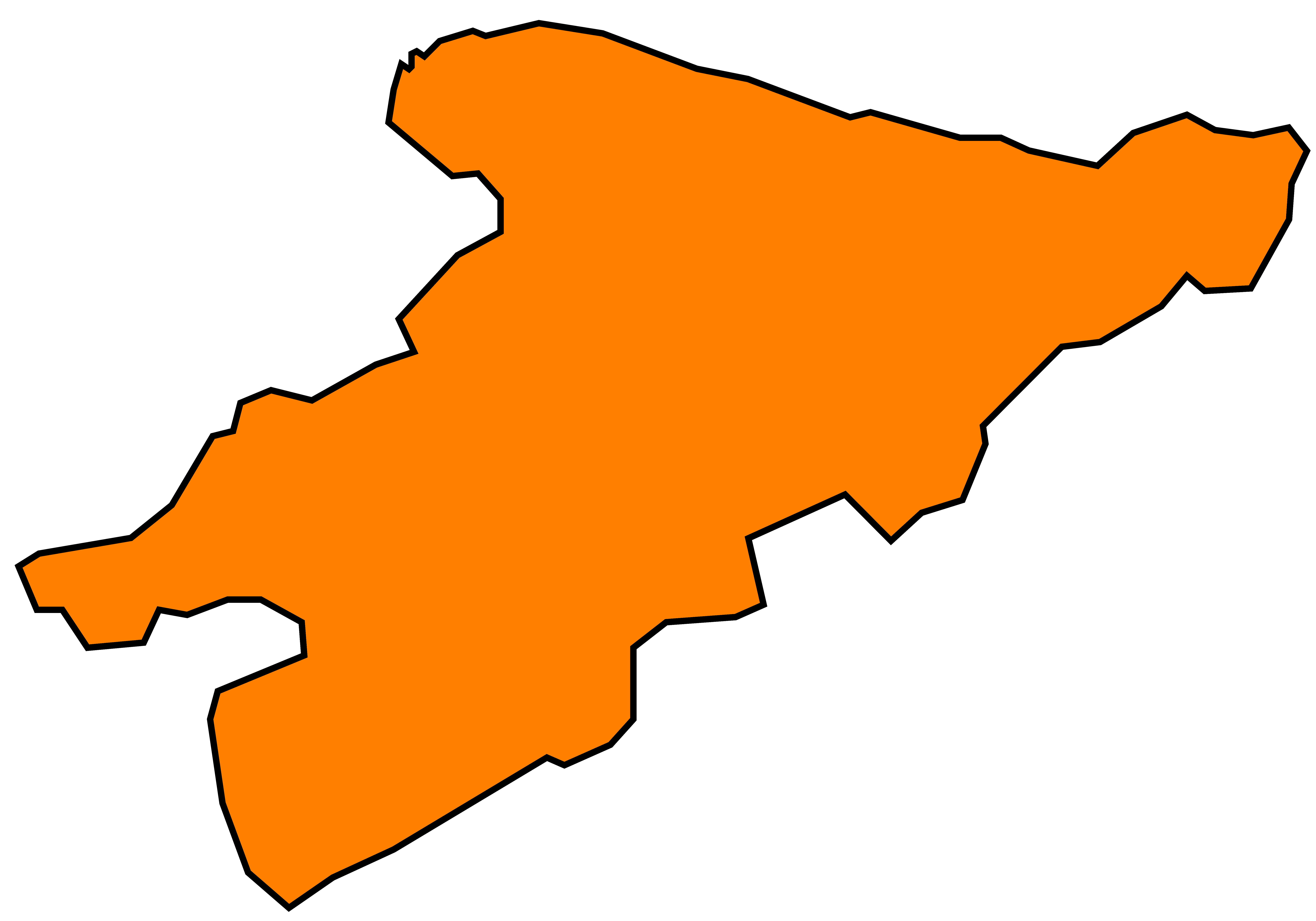
West Lothian
Labhdaidh an Iar
Linlithgowshire
✨ Also Linlithgowshire
👑 Sheriffdom by 12th century
🏰 Famed Linlithgow Palace
🖋️ Usual name West Lothian
A royal county of palaces, lochs and legends. 🏰🌊
Read More
West Lothian, also known as Linlithgowshire, is a maritime county on the south bank of the Firth of Forth. Its coastline is home to Bo’ness, a port town that evolved into an industrial centre.
The county’s only upland area, the Bathgate Hills, rises between Linlithgow and Bathgate. Linlithgow itself sits on Linlithgow Loch, boasting the remains of Linlithgow Palace, birthplace of Mary, Queen of Scots.
The Antonine Wall, marking the northern frontier of Roman Britain, ended at Kinneil in the county. The Forth Bridge, an engineering marvel, links South Queensferry to North Queensferry in Fife, carrying the Edinburgh–Aberdeen railway across the Firth of Forth.
The southern corridor along the M8 connects Edinburgh and Glasgow, supporting several industrial towns, including Armadale, Bathgate, Whitburn, Broxburn, and Livingston, the latter having transformed from a village into a full-fledged New Town.

Westmorland
County of Westmorland
County Day 29 September
✨ County from 13th century
👑 Formed from parts of Cumberland and Yorkshire
🏰 Appleby = county town
🖋️ ‘Land of the Western Moors’
A northern county of fells, lakes and valleys. 🏔️🏞️
Read More
Westmorland is a mountainous county in north-west England, encompassing some of the Lake District’s most celebrated landscapes. The towering fells of Helvellyn, Bow Fell, and Nethermost Pike rise above lakes including Windermere, Ullswater, Grasmere, and Rydal Water. Ambleside and Bowness-on-Windermere serve as gateways to these scenic areas.
East of the Lake District lie the Westmorland Dales, a remote pastoral region rich with ancient monuments and stone circles. In the north-east, the Vale of Eden carries the River Eden through Kirkby Stephen and the historic county town of Appleby.
The southern part of the county is relatively low-lying, shaped by the valleys of the rivers Kent and Lune, with Kendal famed for its mint cake. Westmorland also has a short stretch of coastline along Morecambe Bay at the Kent estuary.


Wigtownshire
Siorrachd Bhaile na h-Ùige
West Galloway
✨ Land of Norse-Gaels
👑 Shire from the 12th century
🏰 Wigtown and Stranraer
🖋️ ‘Wigtoun’ in charters
A coastal county of Galloway’s rugged shores. 🌊⚓
Read More
Wigtownshire is a maritime county in south-west Scotland, lying between the Solway Firth and the North Channel. Its western extremity is dominated by the Rhinns of Galloway, with Milleur Point to the north and the Mull of Galloway to the south.
Between the Rhinns and the main body of the county lie Luce Bay, with ten miles of sandy beach, and Loch Ryan, home to the ferry ports of Stranraer and Cairnryan. The Machars peninsula in the south-east, framed by Wigtown Bay and Luce Bay, features Whithorn, historically important for its Anglo-Saxon abbey.
Wigtown, known for its second-hand bookshops, lies at the head of Wigtown Bay, while Newton Stewart straddles the River Cree. The north-east stretches into the Southern Uplands, offering rolling hills and upland scenery.
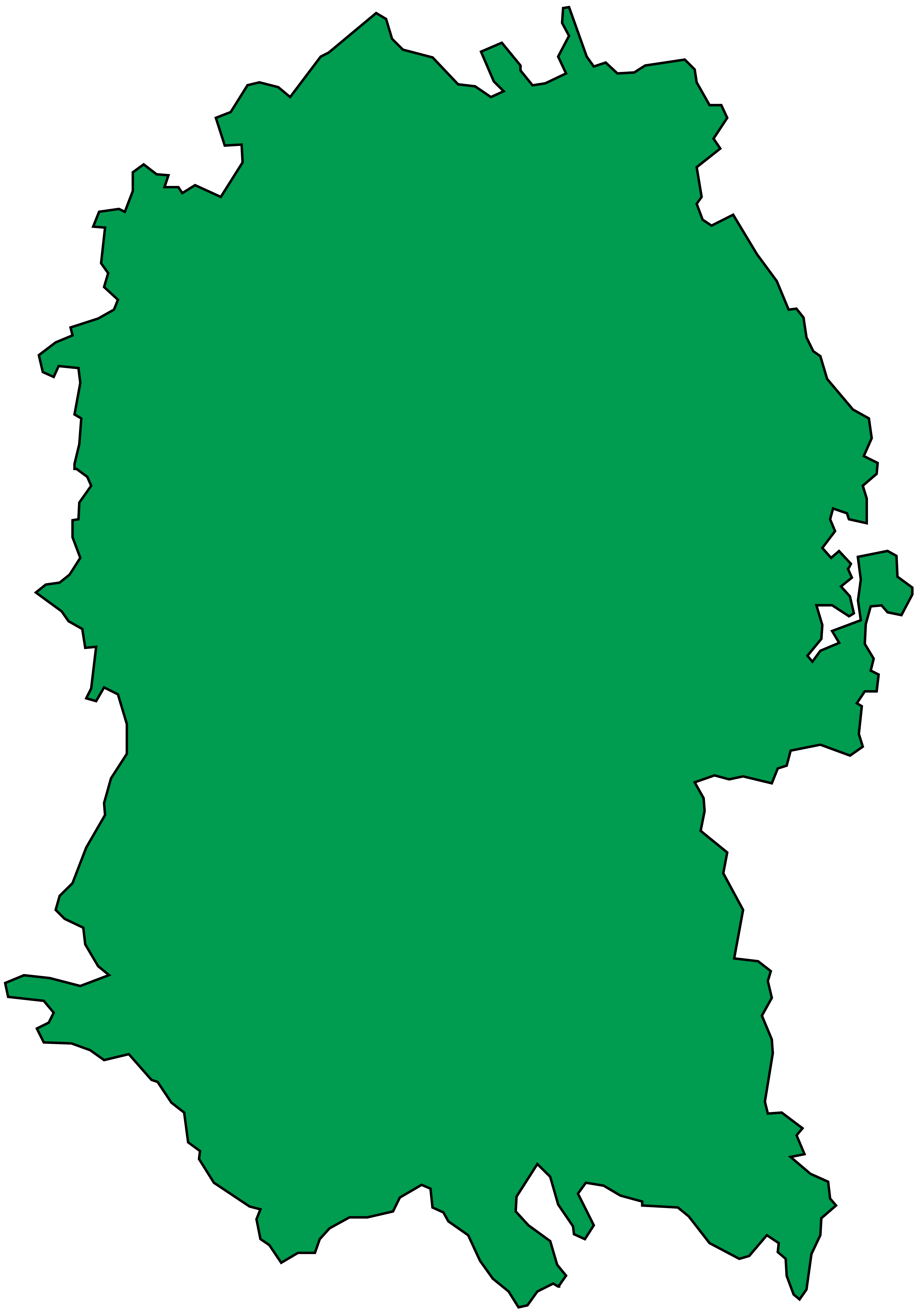
Wiltshire
County of Wilton
County Day 5 June
✨ ‘Wiltonscir’, shire of Wilton
👑 A shire by the 9th century
🏰 Salisbury and Stonehenge
🖋️ Domesday Book: Wiltescire
England’s oldest stones meet Saxon shires. 🪨⛪
Read More
Wiltshire is an inland county in southern England, marked by history, agriculture, and dramatic landscapes. Salisbury in the south-east is famed for its magnificent cathedral, while Wilton, the ancient county town, hosts the stately Wilton House.
Salisbury Plain dominates the central county, home to Stonehenge and other prehistoric monuments. The Vale of Pewsey offers fertile farmland, and the Marlborough Downs in the north present chalk hills scattered with ancient features like Avebury and Silbury Hill.
Swindon, in the north-east, grew around the Great Western Railway, while the Cotswold fringe to the north-west includes Malmesbury. The River Avon flows through the west, touching Chippenham, Melksham, Bradford on Avon, and Trowbridge, with Warminster and Westbury in the south-west.


Worcestershire
County of Worcester
Worcs
✨ Worcester: Roman & Saxon
👑 County from the 10th century
🏰 Stronghold of church & castle
🖋️ Domesday: Wirecesterscir
A Severn valley shire of spires, hops and hills. ⛪🌿
Read More
Worcestershire is an inland county in the English Midlands, marked by fertile lowlands, gentle hills, and historic towns. Worcester, on the River Severn, is famed for its grand cathedral and rich heritage.
The Vale of Evesham, to the south-east, is renowned for orchards and market gardening, while the Cotswolds fringe rises around Broadway, “Jewel of the Cotswolds.”
The north-east includes urban areas like Halesowen, Stourbridge, Bromsgrove, and Redditch, with the Clent and Lickey Hills offering tranquil escapes.
The north-west remains rural along the Teme Valley, and the south-west is defined by the scenic Malvern Hills, with Great Malvern celebrated as a historic spa town.
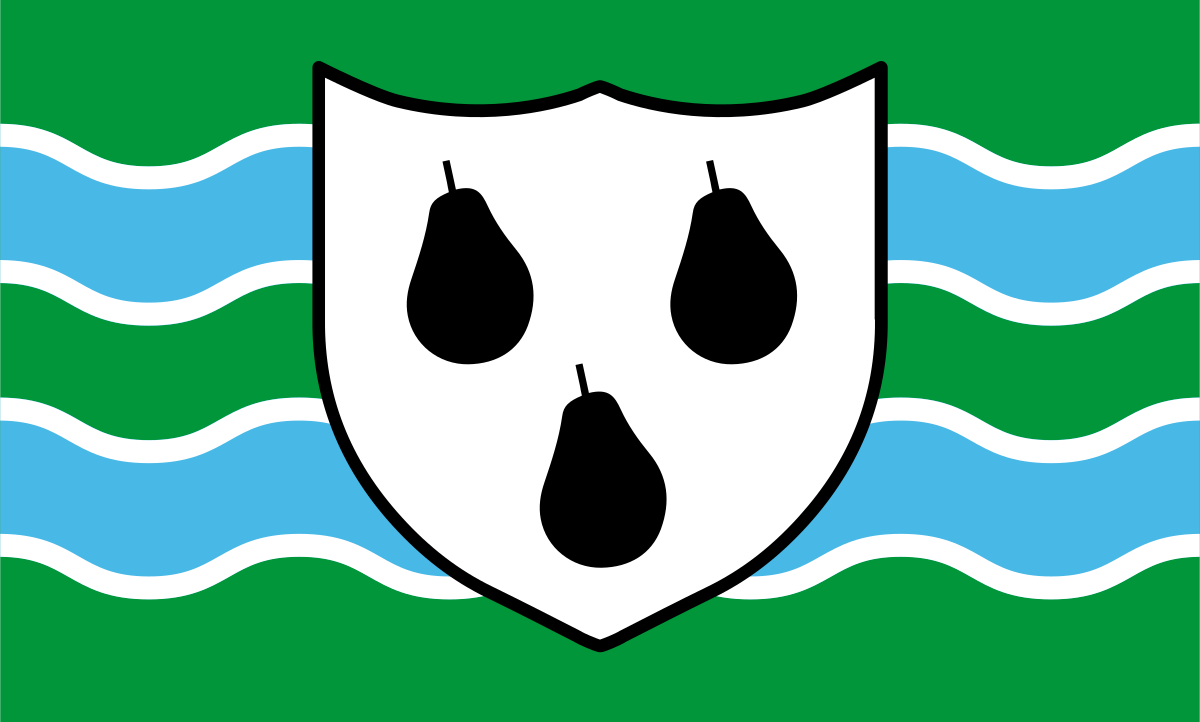
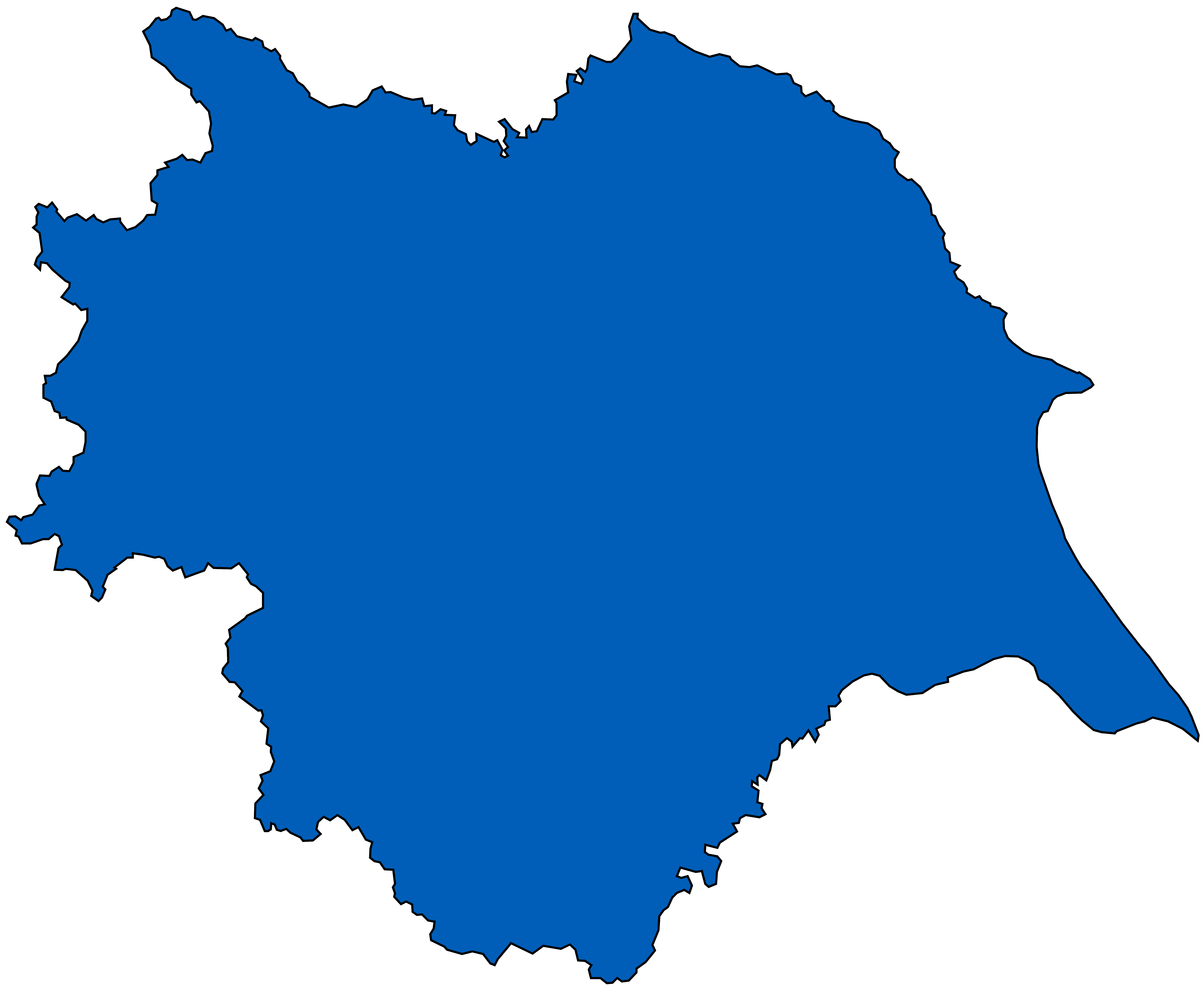
Yorkshire
County of York
County Day 1 August
✨ Viking kingdom of Jórvík
👑 Vast county by 9th century
🏰 Three Ridings by 10thC
🖋️ Domesday Book: Eurvicscir
A county of ridings, abbeys and Norse echoes. ⚔️🌾
Read More
Yorkshire is the largest county of all, rich in history and dramatic landscapes. York, the historic city at the heart of the county, boasts the magnificent York Minster and medieval streets.
The East Riding stretches from the Humber to the North Sea, featuring Hull, Beverley, the Yorkshire Wolds, and seaside towns like Filey and Bridlington.
The North Riding spans the Pennines to the North Sea, with Whitby, Scarborough, the North York Moors, and the Yorkshire Dales, including Swaledale and Wensleydale.
The West Riding encompasses major urban centres such as Leeds, Bradford, Sheffield, and Wakefield, alongside historic towns like Ripon and Harrogate, and scenic areas including Nidderdale, Wharfdale, and the Forest of Bowland.

 Campaign for Historic Counties