
Why Now Is the Moment to Rescue and Restore Genuine County Identities
Introduction: A Turning Point for Historic Counties
The ongoing devolution agenda in the United Kingdom presents a unique opportunity for heritage campaigners and supporters to champion the true identities of our historic and geographical counties. As new powers are debated and distributed, the ‘Campaign for Historic Counties’ urges policymakers and the public alike to seize this moment to protect, clarify, and celebrate the counties that have shaped our local and national identity for centuries.
Background: Historic Counties and Administrative Change
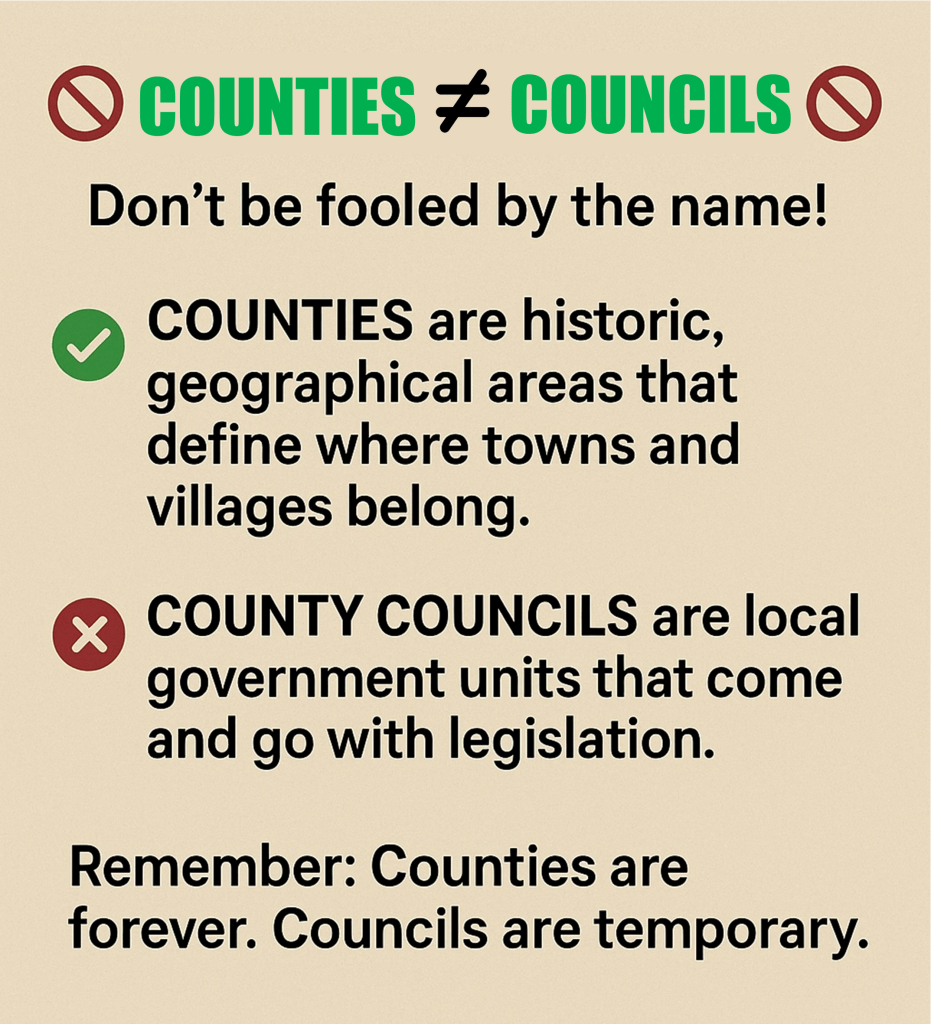
Britain’s historic counties are centuries-old geographical entities, embedded in community memory and culture. These counties have provided the framework for local identity, festivities, and pride. However, from the late-19th century – accelerating in the 20th – onwards, waves of administrative reform have introduced new council areas and bureaucratic zones. These changes, often driven by efficiency and governance needs, have resulted in boundaries that rarely match the authentic counties. Many council areas have adopted county names, further muddying the waters and eroding clarity around what defines a ‘county’.

Current Confusion: Misuse of ‘County’ in Administration
Today, the term ‘county’ is frequently misapplied to council areas and administrative regions that are *not* counties. This misnaming creates confusion for residents, businesses, and visitors. For example, the jurisdiction of ‘Durham County Council’ differs greatly from the actual borders of County Durham (it does not include all of County Durham but it includes a large part of Yorkshire!). Using county names for council zones that bear little resemblance to the real counties undermines our cultural heritage and damages the continuity of local identity.
Devolution: An Opportunity to Rescue True County Identities
The current wave of devolution offers a rare chance to correct past mistakes and restore clarity. As new regional arrangements are considered, there is an urgent need to respect the boundaries of historic counties. This means better recognising that the historic counties are distinct entities, separate from administrative councils and zones. Devolution should not result in further confusion, but rather provide a framework to celebrate the genuine counties that have stood the test of time.
Key Campaign Messages
Stop Misnaming: Council areas should never be called ‘counties’ or use county names unless they match the boundaries of the actual historic county. This simple change will prevent confusion and protect heritage, while also avoid misleading the public.
Realign Lieutenancy Areas: From the creation of the office of Lord Lieutenant in the 1540s (centuries after the counties were established), Lord Lieutenants were appointed directly to the historic counties. Restoring this alignment would reinforce tradition and provide clarity for ceremonial functions, strengthening the link between communities and their true counties. (A simple amendment to the Lieutenancies Act 1997 is all that is required to achieve this.)
Clarification: Separation, Not Redrawing
It is crucial to emphasise that the campaign does not seek to create new council areas based on historic counties, nor to redraw local government boundaries. The goal is clear: historic counties must be properly recognised as distinct geographical and cultural entities, not conflated with administrative zones. By separating county names from council administration, we can eliminate ongoing confusion and honour the genuine heritage of each authentic county.

Conclusion: A Call to Action
Josh, Campaigns Director of the Campaign for Historic Counties commented:
The devolution agenda presents a historic chance to right the wrongs of the past and restore true county identities. We urge policymakers, local authorities, and the public to support the separation of authentic counties from administrative councils, the correct naming of council areas, and the realignment of lieutenancy boundaries. Only through these steps can we truly rescue and properly celebrate the proud identities of Britain’s historic counties for generations to come.
 Campaign for Historic Counties